


By Adam Glick, Solar Sherpa, NATiVE Solar
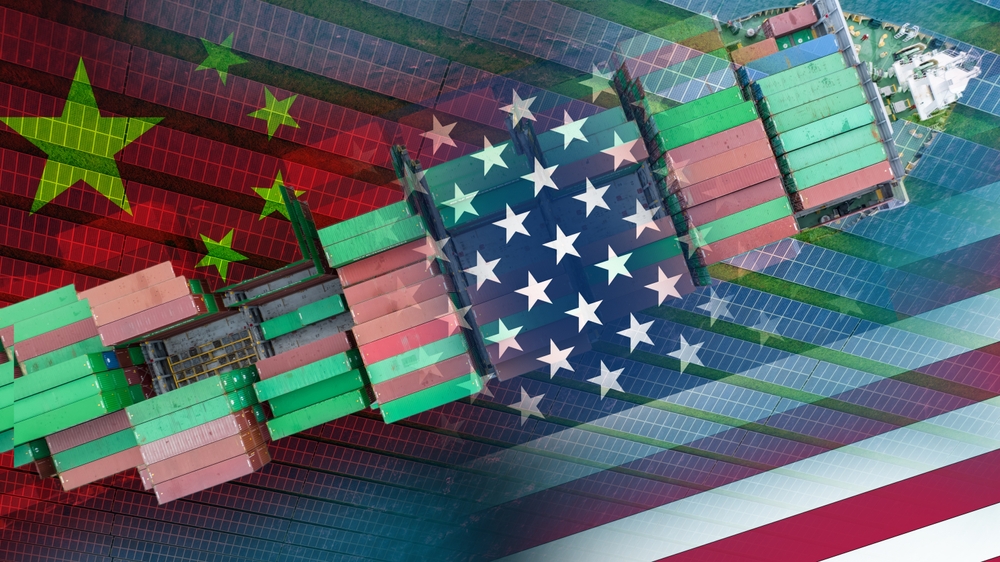
Here’s a bit of national solar news and info coming from the federal trade policy angle. A new set of federal solar tariffs takes effect on December 4, 2026. If you’re planning a commercial solar project in Texas, or a premium home system, this affects solar module (solar panel) pricing and procurement timing. It probably does not change whether solar makes sense for your property. he vast amount of raw silicon cells and wafers used to manufacture solar panels is imported – mostly from China. Domestic sources only account for about 5%. BOTTOM LINE: This new move -when implemented in December- effectively eliminates the cost advantage of buying imported solar panels.
What Section 232 Actually Does
Section 232 of the Trade Expansion Act of 1962 lets the President restrict imports on national security grounds. The Commerce Department opened a Section 232 investigation into polysilicon and its derivatives on July 1, 2025. The President signed a proclamation on August 6, 2026 placing new trade measures on imported polysilicon, wafers, solar cells, and solar modules. The measures take effect December 4, 2026. They replace the Section 201 solar safeguard tariffs, which expired on February 7, 2026.
The “proclamation” has two main parts.
1. Minimum import prices (MIPs). This works as a price floor for each stage of the supply chain:
- Polysilicon: $21 per kilogram
- Ingots and wafers: $100 per kilogram
- Solar cells: $0.22 per watt
- Solar modules: $0.38 per watt
An importer who doesn’t file the required documentation pays a specific tariff equal to the full MIP. An importer who files the documentation but enters goods below the floor pays the difference. (hunton)
2. A 15% ad valorem tariff. The 15% tariff applies only to downstream products (ingots, wafers, cells, and modules). Raw polysilicon faces only the $21/kg floor. Some trade partners get different rates. For the EU, Japan, Korea, Taiwan, Switzerland, and Liechtenstein, the combined rate is capped at 15%. The UK rate is 10%. *US manufacturing firms are in the process of ramping up manufacturing that could take in the raw materials to produce the wafers (and individual solar cells) that could be assembled together to produce domestically made solar panels. This process is underway but will take years to build out and ramp up. Companies that commit to building, expanding, or refurbishing U.S. facilities that make polysilicon, ingots, wafers, or cells may receive tariff relief on certain imports tied to approved projects. So that’s pretty good – or at least, it could be worse.
Why the Price Floor Matters More Than the 15%
The headline number is the 15% tariff, but the minimum import price also affects retail panel prices. Legal analysts note that wherever MIPs sit above market prices, they could drive most of the proclamation’s trade effects.
For context: one industry analysis put current imported module prices around $0.27/W. Against that, the $0.38/W floor is roughly a 40% increase. The floor also reaches modules assembled in the U.S. A U.S. manufacturer that builds modules from imported cells or wafers can’t sell the finished module below $0.38/W. More than 90% of the cells used in U.S. module production are imported and (as of now) can be purchased at between $0.28/W and $0.32/W. pluginsolaruspv-magazine-usa
How Much Could This Add to a Project?
Estimates vary depending on where the panels come from:
- One industry estimate puts the average module cost increase at about $0.10/W. energysolutions-solar
- Another estimates imported module prices will rise 9 to 15 cents per watt. anzarenewables
- Intertek CEA projects domestic module prices could reach about $0.35/W if suppliers keep their historical margins. pv-magazine-usa
To put that in commercial solar project terms: a $0.10/W module increase on a 500 kW rooftop system could work out to roughly $50,000 in added equipment cost. That’s before any market adjustments, supplier absorption, or contracts that lock in earlier pricing.
Modules are only one part of a commercial project’s installed cost. Engineering, labor, racking, electrical, interconnection, and permitting don’t change under this proclamation. So the effect on total project cost is smaller than the module percentages suggest. It’s still real, though. On a large system, a few cents per watt can change payback calculations.
The same dynamics hold true for residential system installations. For a typical 10 kW residential solar install, buyers should anticipate an additional $900 to $1,500 in upfront equipment costs solely due to the new module pricing, which will likely represent about a 3% to 6% bump in the total turnkey price. It’s not a deal-killer but it moves out the payoff date by a measuravble amount.
What Section 232 Doesn’t Cover
The proclamation applies to polysilicon, certain silicon ingots and wafers, solar cells, and solar modules. Battery energy storage systems and inverters aren’t on that list. Those components have their own trade issues, though. We covered the broader picture in our post on how existing new tariffs affect solar and battery energy storage overall.
Section 232 also isn’t the only tariff layer. For Chinese-origin solar products, combined duties could top 65% once Section 232 is stacked on existing Section 301 tariffs and antidumping/countervailing duty orders. That’s one reason so much U.S. module supply already comes from other countries and from domestic assembly. This adds to the “mixed bag” of economics driving incentives for American solar consumers and manufacturers.
What This Means for Texas Commercial Projects
For commercial and industrial (C&I) buyers, the practical issues are timing and procurement, not whether to go solar.
Projects already contracted. Suppliers can avoid the penalty tariff by certifying that resale will clear the MIP, or by pointing to a fixed-term contract signed before August 6, 2026. If your equipment was contracted or is already in the country, your pricing exposure may be limited. Ask your installer directly. anzarenewables
Projects in planning. Expect module quotes in 2027 to reflect the new floor. If you’re comparing proposals, check whether module pricing was locked before or after December 4 and how long each quote is valid.
Domestic content becomes more valuable. The tariff narrows the price gap between imported and U.S.-made modules. That makes domestic content worth a closer look, both for supply stability and for projects that may qualify for federal tax credit adders. Eligibility varies by project, and you should confirm with a tax advisor.
Tax credit deadlines still matter. Federal timing rules for solar under Section 48E are a separate issue from tariffs, but the two now overlap in many project schedules. If your project depends on credit eligibility, sort that out early with your tax advisor.
What It Means for Homeowners
Residential systems use fewer panels, so the dollar impact is smaller. It still shows up the same way, though: higher module prices on equipment bought after December 4. If you’re building a custom home or adding solar + storage to an existing one, ask your installer how they sourced the panels and whether your quote reflects the new pricing.
Since batteries aren’t covered by Section 232, the battery side of a solar + storage system isn’t directly affected by this action. See our Texas battery energy storage page for how storage fits into a resilient home or facility.
The NATiVE Solar Perspective
We’ve been building in Texas since 2007, and we’ve worked through plenty of trade actions in that time: Section 201 safeguards, AD/CVD cases, Section 301 tariffs, and now Section 232. The lesson each time has been the same. Tariffs change pricing and timing, but they don’t change the design, engineering, construction and maintenance requirements. A well-designed system is still a long-term asset that may reduce your exposure to volatile Texas energy costs.
Our approach to this round is the same as the last few. We’re tracking supplier pricing as the December 4 date approaches. We’re also being clear with clients about which parts of a quote are exposed and which are locked, and we’re weighing domestic content options where they make sense for the project. We’d rather show you the real numbers than sell around them. The bottom line is that overall system pricing is probably going up in December.
Planning a Project? Let’s Look at Your Timeline
If you’re weighing a commercial or residential solar project in Texas and wondering how Section 232 affects your schedule or budget, we can walk through it with you. Reach out to our team for a straightforward conversation about your facility, your timeline, and your options.
Sources:
- Hunton Andrews Kurth: US Imposes New Tariffs and Minimum Import Prices
- Troutman Pepper Locke: Polysilicon Under Pressure
- Crane Worldwide: Section 232 Measures on Polysilicon
- pv magazine USA: Section 232 minimum import prices
- Anza: Section 232 Solar Tariffs Add New Price Floor
- Anza webinar: Rewriting Solar Procurement Strategy
- Energy Solutions and Supplies: Section 232 Solar Trade Rules
- Plug-In Solar US: Section 232 Impact
- First Solar 10-Q (SEC)
Frequently Asked Questions About Section 232 Solar Tariffs
What are the Section 232 solar tariffs?
They are federal trade measures on imported polysilicon and the solar products made from it: ingots, wafers, solar cells, and solar modules. The President signed the proclamation on August 6, 2026 under Section 232 of the Trade Expansion Act of 1962. It sets minimum import prices for each product and adds a 15% tariff on downstream products.
When do the Section 232 solar tariffs take effect?
December 4, 2026. They apply to covered products entered into the U.S. on or after that date.
Are batteries and inverters affected by Section 232?
Not by this action. The proclamation covers polysilicon, certain silicon ingots and wafers, solar cells, and solar modules. Battery energy storage systems and inverters aren’t on the list. They may still be subject to other tariffs and trade rules.
What is a minimum import price?
A minimum import price (MIP) is a price floor that imported products can’t undercut without paying extra duties. The initial floors are:
- Polysilicon: $21/kg
- Ingots and wafers: $100/kg
- Solar cells: $0.22/W
- Solar modules: $0.38/W
Goods entered below the floor pay a tariff equal to the difference. Goods entered without the required documentation pay a tariff equal to the full MIP.
How much will Section 232 raise the cost of solar?
It depends on where the panels come from and how suppliers respond. Industry estimates range from about $0.10/W on average to 9–15 cents per watt for imported modules. Modules are only one part of total installed cost, so the effect on a full project will be smaller than those module percentages suggest.
Do the tariffs affect U.S.-made solar panels?
Indirectly, yes. Most U.S. module assembly relies on imported cells, and more than 90% of cells used in domestic module production are imported. Those imported cells fall under the price floors. Fully domestic supply chains are the least exposed.
I’ve already signed a solar contract. Will my price change?
Possibly not. Importers can avoid the penalty tariff if the sale is under a fixed-term contract signed before August 6, 2026, and equipment already in the country before December 4 isn’t affected. Your exposure depends on your contract terms and when your equipment was sourced, so ask your installer directly.
Do Section 232 tariffs change federal solar tax credits?
No. Tariffs and federal tax credits are separate. Credit eligibility and timing rules still apply on their own terms. Because tariffs make U.S.-made equipment more price-competitive, domestic content may be worth a closer look for projects that could qualify for related credit adders. Eligibility varies by project, so confirm with a tax advisor.
Should I wait to go solar until tariff prices settle?
That depends on your project, your energy costs, and your timeline. Section 232 is a policy change, not a temporary disruption, so waiting doesn’t guarantee lower prices. A qualified installer can show you which parts of a quote are affected by tariffs and help you weigh the timing for your situation.













Leave A Comment