


 Austin Energy Raised Its Residential Solar Rebate by 60% – now $4000 – and increased the solar buy-back (Value-of-Solar or “VoS”) rate by 30%
By Adam Glick, Solar Sherpa, NATiVE Solar
Here’s some local news we’ve been waiting on for a while: Austin Energy (the City of Austin) has increased its solar incentives! The residential rebate rose from $2,500 to $4,000 for eligible projects, commercial and nonprofit incentives rose 25% to 66%, and the Value of Solar monthly “solar buy-back” utility bill credit increased 30% to 12.89 cents per kW/hour. If you live in Austin and shelved a solar project in the past, the new numbers may make it worth a second look.
What Changed
Three things moved in the customer’s favor in the past few months:
- 60% increase on Residential solar rebate: $2,500 to $4,000 per eligible projects.
- 30% increase in Value of Solar (VoS or monthly solar energy buy-back) credit: Austin Energy now lists the rate at 12.89¢ per kWh for systems under 1 MW, up from 9.91¢.
- Commercial and nonprofit incentives: higher capacity-based and performance-based payments, detailed below.
For new solar owners, these new numbers matter -both up-front and over time. Let’s dig in here with a quick run-down, folks.
Who May Qualify for the $4,000 Rebate
Austin Energy’s published requirements for the residential solar rebate are specific:
- You have an Austin Energy residential electric account, and the system is installed at that address.
- The solar system is new and was not installed before you submit the rebate application.
- The solar system is 3 kW (DC) or larger and mostly free of shading.
- You use an Austin Energy participating solar contractor. A non-participating installer cannot offer the rebate.
- You receive a Solar Rebate Confirmation Letter before installation begins.
*That last point is important. If panels go on the roof before the confirmation letter arrives, you lose the rebate. (Don’t let that happen!) Eligibility varies by project, and Austin Energy makes the final determination. Our advice: do the paperwork up-front! If you have questions, we’re here to help make sure you can get the credit. :)
How the Application Works
- Take Austin Energy’s Solar Rebate Quiz. You’ll need your contact information, address, and utility account number. You receive a rebate reference number when you finish.
- Collect proposals. Austin Energy recommends at least three quotes from participating contractors.
- Give your reference number to your contractor, who applies for the rebate on your behalf.
- Sign the interconnection agreement and customer agreement form.
- Wait for the confirmation letter, then proceed with installation. *Be sure to choose your selected installer wisely :)
- Pass the final solar inspection. Austin Energy checks the new system and new solar meter -and then grants permission to operate (aka “PTO”).
- Quality assurance review. Once approved, Austin Energy mails the rebate check.
The rebate check is cut and sent to homeowners who have satified the requirements. It’s pretty easy money if you ask us.
What the Rebate Does Not Do
A few limits are worth stating plainly:
- It does not replace the federal residential tax credit, which expired at the end of 2025.
- It does not cover batteries. Solar panels alone shut off during a grid outage. If resilience is the goal, the design needs to include battery energy storage (which would allow solar power to feed the property during grid outages). Austin Energy runs a separate pilot, Power Partner Battery, that rewards battery owners for supporting the grid during high demand –we covered this program recently here. More here on our Texas-wide battery incentive programs page.
- Residential power purchase agreements are not allowed in Austin Energy territory. If a new system has been structured/acquired as a “PPA”, ya can’t get the credit.
The Newly Increased Value of Solar (‘Vos”) Rate Deserves Equal Attention
Austin Energy handles your excess harvested solar energy under a “buy all, sell all” strcuture. In other words, it meters everything your system produces and credits 100% of that production at the Value of Solar rate. You continue to pay standard residential rates for the electricity your home consumes, and then that VoS credit is applied against electricity charges on your monthly bill. So you buy all your energy from AE at the standard rate, then sell back all your solar-harvested power to the grid at the VoS rate, which is then credited against your utility bill each month.
The credit effectively lowers your utility bill each month the system operates.
As a rough illustration: an average-sized solar harvesting system of 8 kW would likely generate (at minimum) about 10,400 kWh annually. At 12.89¢, that is roughly $1,340 per year in projected bill credits, compared with about $1,030 at the previous rate. This can add up over years to considerable utility bill savings. (Take these numbers as an illustration only please. Every system is different and will produce differently)
Commercial and Nonprofit Incentives Also Increased
The City is really getting serious about recognizing the benefits of solar power from all sources. This applies to business and nonprofit customers as well; Austin Energy has also raised both of its commercial and institutional incentive structures.
| Program | Project size | Before | Now |
|---|---|---|---|
| Capacity-based (nonprofit) | Under 200 kW | $0.60 per watt | $1.00 per watt |
| Capacity-based (for-profit) | Under 100 kW | $0.50 per watt | $0.70 per watt |
| Performance-based | Under 400 kW | $0.08 per kWh | $0.10 per kWh |
| Performance-based | 400 to 999 kW | $0.06 per kWh | $0.08 per kWh |
| Performance-based | 1,000 kW and larger | $0.04 per kWh | $0.06 per kWh |
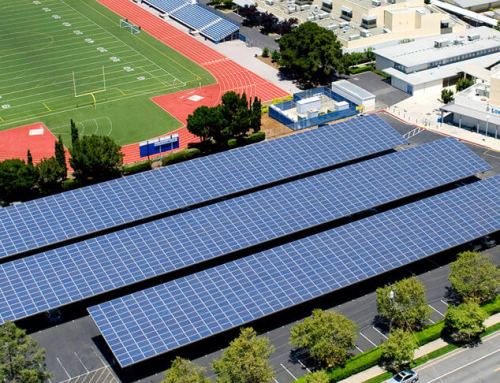
Performance-based incentives are paid per kWh produced over five years, in addition to Value of Solar credits. For a facility with a large roof and/or covered parking structures fitted with solar panels (aka solar carports), these energy production payments can meaningfully shift a project’s projected payback.
Nonprofits should take note of the $1.00 per watt figure. Churches, schools, and community organizations with smaller systems saw the largest percentage increase of any customer group. We’re jumping for joy over this one here at NATiVE!
Federal tax credit rules for commercial projects have tightened this year, with construction-start and placed-in-service deadlines now in effect. (*You’ve got to complete the project and have the new system up and running by the end of December, 2027*). Now we are not tax experts – we want you to please consult a tax advisor and/or your finance team on how those rules apply to your project and organization. Our commercial solar page covers how we can help our clients evaluate project economics for Texas facilities planning to add solar harvesting capacity.
Next Step
If you’re an Austin Energy customer weighing a project for your home, business, or nonprofit, we can walk through what you may be eligible for and what a system would realistically produce. Start a conversation with our team.

















Leave A Comment