

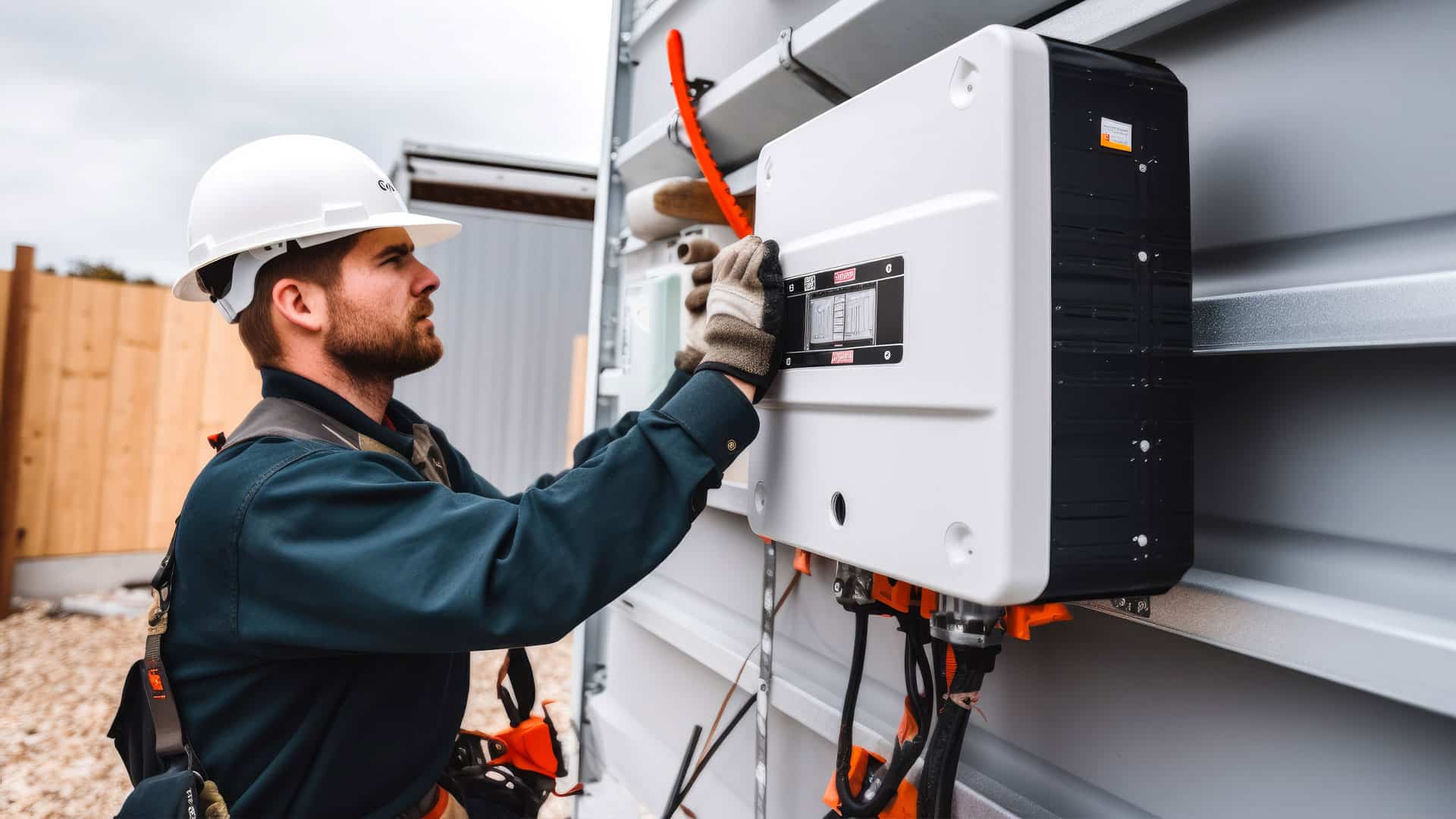
Texas-Sized Savings with Battery Incentives
Backup Battery Energy Storage Incentive Programs in Texas

Pairing a battery with your solar system opens up incentive options that solar alone doesn’t qualify for. Here’s a current snapshot of what’s available to Texas homeowners in 2026 — a mix of utility pilot programs, retail electric provider (REP) plans, and state-level provisions.
A note on the federal credit: the 30% federal residential solar tax credit (Section 25D) expired December 31, 2025, with no phase-down. Systems placed in service after that date generally don’t qualify for it directly, including batteries installed alongside solar. For the fuller picture on what changed and what options remain, see Life After the Federal ITC Solar Tax Credits Expire.
How these programs work, and the catches. Battery programs pay you, through bill credits, rebates or reward cards, for letting the program operator discharge part of your battery when the grid is stressed. That can be worthwhile, but read the terms before you enroll:
- Provider lock-in: retail electric provider (REP) programs require you to be on that provider’s electricity plan. Switching can trigger an early-termination fee on your current plan and may mean giving up a solar buyback rate you like.
- Less backup: the program can draw your battery down during events. Check the backup floor (several programs keep at least 20%) and whether it matches how much backup you want.
- One program per battery: most programs bar enrolling the same battery in another VPP or demand response program.
- Credits aren’t guaranteed: payments depend on staying enrolled and eligible, and programs, especially pilots, can change terms or close.
- More battery cycling: extra dispatch means extra cycles. Check your battery warranty’s terms for third-party or VPP dispatch.
- Leases and battery-as-a-service are different products: if the provider owns the battery, you build no equity in it, contracts can run for years, and the advertised net price usually depends on staying enrolled.
Austin Energy: Power Partner Battery
Austin Energy pays a $500 rebate per battery system that receives permission to operate on or after February 18, 2025, plus a yearly performance payment of $75 per average kW your battery contributes during events. Austin Energy’s own example, one 13.5 kWh Tesla Powerwall with a 20% reserve, works out to about $324 a year; actual payments vary. Eligible batteries include Enphase IQ, FranklinWH, Generac PWRcell 2, SolarEdge Home Battery and Tesla Powerwall (Powerwall+, 2 and 3).
The catches: residential only; the battery must be customer-owned (third-party-owned systems and Base Power batteries aren’t eligible); you must use an Austin Energy participating contractor; up to 40 events a year, plus grid emergencies; and funding is limited and first-come, first-served. For the full breakdown, see our 2026 Austin Energy incentives update.
CPS Energy: My Battery Rewards
CPS Energy residential customers who own their battery can earn a $10 bill credit per event, year-round. The catch: CPS Energy’s program page doesn’t publish eligible battery models, event limits or reserve rules, so ask before you enroll.
Electric co-op programs
- CoServ PeakTime Perks (with Tesla): $30 a month ($360 a year) per eligible Powerwall (Powerwall+, 2 or 3; Powerwall 3 Expansion units aren’t eligible). Events can total up to 250 hours a year and 10 hours a week, and the VPP backup reserve is fixed at 20%. Tesla’s participation agreement says it may charge or discharge the battery “at any time and to any level,” while trying to respect your app settings.
- GVEC Peak-Time Payback: $220 per kW of rated battery capacity up front plus $75 per kW a year, paid monthly, for members who own an Enphase IQ or Tesla Powerwall system. Enrolled batteries discharge automatically during peak events.
- Other co-ops (Pedernales, Bluebonnet, Bandera and others): offerings vary and change; check with your co-op before choosing equipment.
Retail electric provider programs (Oncor, CenterPoint, AEP Texas and TNMP areas)
In Texas’s competitive market, battery programs come through retail electric providers, and you must be on that provider’s plan:
- Tesla Electric VPP: for owned Powerwalls (Powerwall 1 excluded) on a Tesla Electric plan, in delivery areas where Tesla runs an aggregation. A monthly VPP credit that Tesla says varies by customer, plus sellback credits. Solar isn’t required.
- TXU Energy Battery Rewards: $150 in digital reward cards every six months, on any TXU plan. Requires rooftop solar and an owned Enphase battery (leased or financed batteries aren’t eligible); you keep at least 20% of capacity at all times.
- Intelligent Octopus for Home Battery (Enphase owners): a monthly bill credit of $4 per kWh of storage (about $20 per 5 kWh) with a 12-month locked rate. Octopus won’t discharge below 20% during events; opting out ends the credit.
- Octo GridBoost (SolarEdge owners): a $40 bill credit each billing cycle, plus exports credited at the real-time market price, which rises and falls with the market.
- Gexa Battery Benefits 12: a 12-month fixed-price plan with a $50 bill credit for each billing period your battery stays paired, plus credits for exported energy (Gexa doesn’t publish the rate on its program page). SolarEdge and Enphase batteries.
- Reliant Battery Perks: a $50 monthly bill credit on top of solar production credits, for active Reliant customers with Enphase, SolarEdge or LG (with a SolarEdge inverter) batteries. Reliant describes it as a beta program.
No battery yet? Leases and battery-as-a-service
Some providers now install a battery they own in exchange for a monthly fee and an electricity plan: for example, the Octopus and Lunar PowerStore offer (a 30 kWh battery for a $45 monthly subscription, bundled with a fixed electricity rate, in limited rollout) and Tesla’s Powerwall lease (two Powerwall 3 units for $35 a month after an $87 VPP credit, bundled with Tesla Electric). The catches: you don’t own the battery, the provider controls how it’s dispatched, and the advertised net price depends on staying enrolled. Compare the total cost over the full contract with owning a system outright.
Program terms on this page were checked against each program’s published materials on October 16, 2026. Programs change often, so confirm current terms with the program before you enroll. Payments are not guaranteed.
Texas Property Tax Exemption Separate from any utility or REP program, Texas Tax Code § 11.27 generally exempts on-site renewable energy systems, including qualifying battery installations, from increasing your property’s assessed value for local property tax purposes. This is a state-level provision unaffected by the federal changes above. We’re not tax advisors — for specifics, the Texas Comptroller’s office is the authoritative source.
Why This Matters Beyond the Bill Credit These programs exist because Texas utilities and REPs increasingly need distributed battery capacity to help manage grid stress during peak demand — the same dynamic behind the state’s growing virtual power plant (VPP) landscape. If you want the bigger picture on why utilities are suddenly this interested in your home battery, see our recent look at VPPs scaling across Texas.
Go Solar, Consider a Battery Solar and battery energy storage are increasingly installed together rather than solar alone — batteries add resilience during outages and, depending on your utility and REP, can add incentive value on top of what solar provides by itself.
At NATiVE Solar, we’ve been installing solar and battery systems across Texas since 2007. We’re brand-agnostic, so we can help you choose equipment that’s eligible for whichever program actually fits your utility territory and goals. Get in touch for a complimentary consultation.

















Leave A Comment