

How Homeowners Can Reduce Electricity Costs This Summer
How Homeowners Can Reduce Electricity Costs This Summer
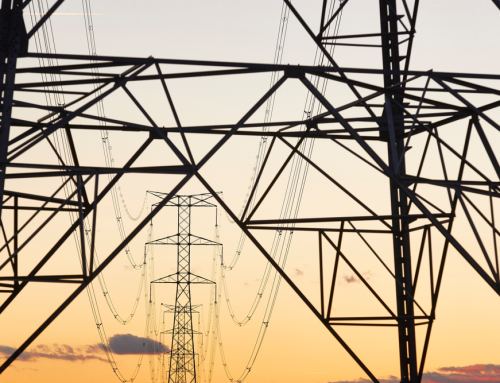
Texas just set a new all-time electricity demand record — twice in one week. On July 21, 2026, ERCOT hit 87,403 MW of demand; the next day it climbed to 91,308 MW. No conservation alerts were issued either time, but it’s a clear signal of how much strain the grid is under during peak summer heat, and that strain tends to show up directly on your electric bill. The good news: there’s a lot homeowners can do to reduce consumption, and pairing those habits with solar (and increasingly, battery storage) puts you in a stronger position regardless of what the grid is doing. Here’s where to start.
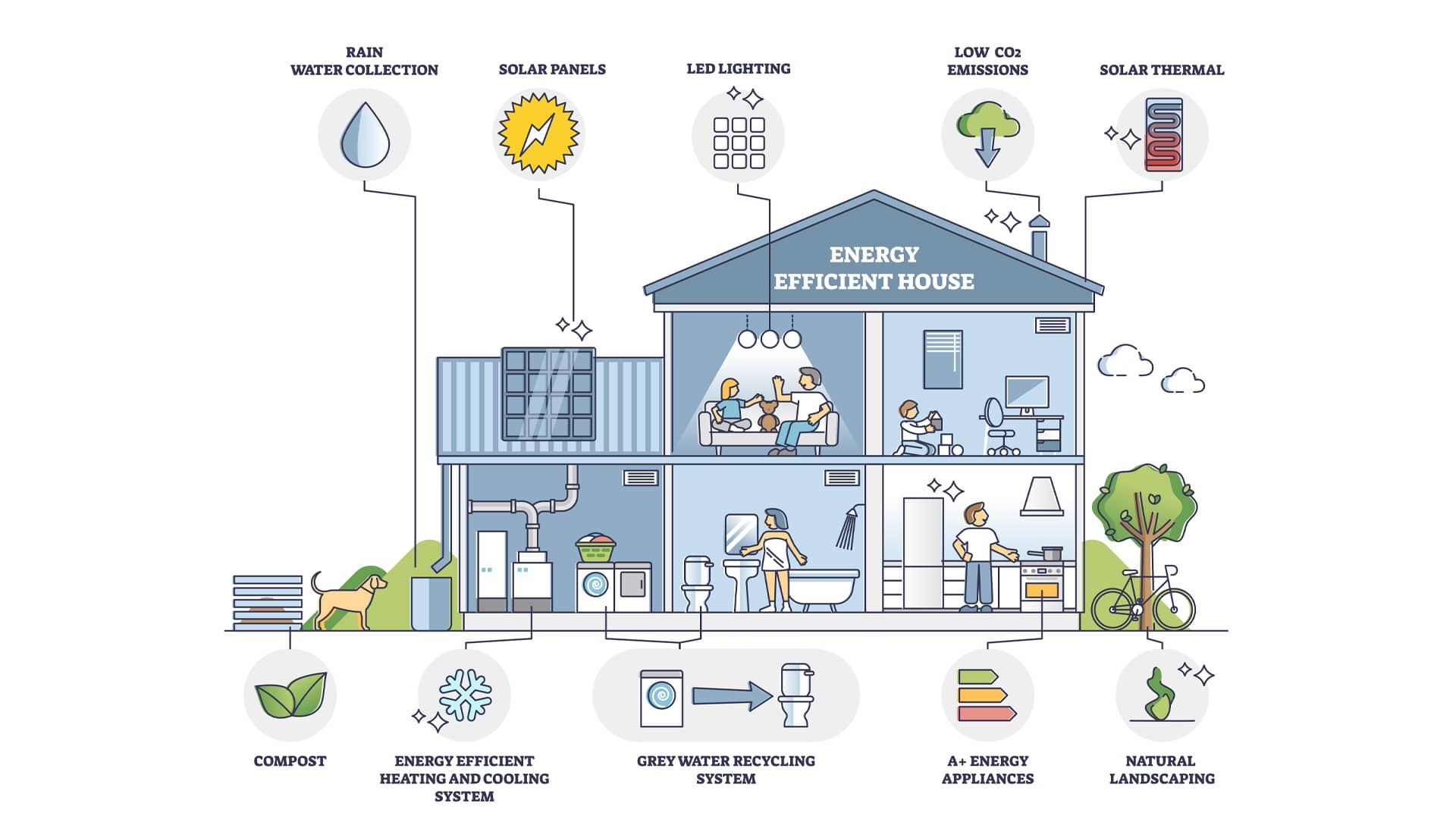
Upgrading to Energy-Efficient Appliances Air conditioning is the single biggest line item on most Texas summer electric bills, so it’s the best place to start. Upgrading to a high-efficiency AC system or heat pump, along with ENERGY STAR-rated refrigerators, dishwashers, and washing machines, can meaningfully cut the load your home puts on the grid during the exact hours — mid-afternoon to early evening — when Texas demand (and pricing, for homeowners on time-of-use plans) peaks.
Improving Insulation and Windows A lot of Texas housing stock, especially homes built before the 2000s, is under-insulated for how hot our summers have gotten. Proper attic and wall insulation keeps conditioned air inside and reduces how hard your AC has to work. Energy-efficient windows help block radiant heat, which matters more here than in milder climates. Sealing drafts and upgrading insulation is often the highest-ROI, least glamorous thing a Texas homeowner can do before summer.
Utilizing Energy Monitoring Apps Because most of Texas runs on a deregulated retail electricity market, many homeowners have some choice in their electricity plan — including time-of-use plans where rates spike during peak demand hours. Energy monitoring apps make it easier to see when your home is actually using power, which helps you both cut waste and choose a plan (or a solar + storage setup) that matches your real usage pattern.
Implementing Smart Thermostats and Lighting Smart thermostats are particularly useful in Texas, where the gap between a comfortable indoor temperature and a brutal 100-plus-degree afternoon is wide enough that small scheduling changes add up fast. Programming setbacks for hours you’re away, and pairing that with smart lighting on schedules or occupancy sensors, is a low-effort way to cut waste without changing how your home feels day to day.
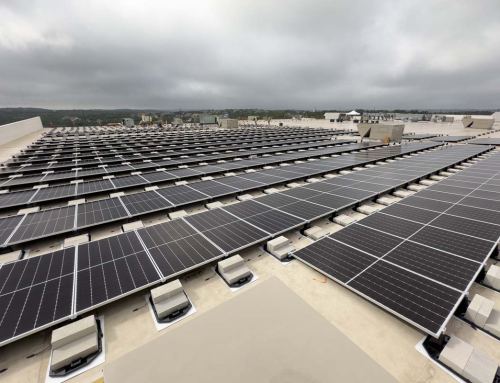
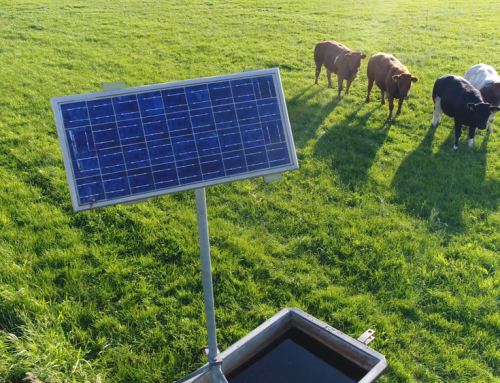
Pairing Efficiency with Solar and Storage Efficiency measures reduce how much energy your home needs in the first place — solar and battery storage change where that energy comes from. With solar panels, your home can generate its own power from sunlight, which may reduce your reliance on the grid during high-demand periods like the ones Texas just experienced. [REVIEW: financial claim — avoid stating that solar "locks in" energy costs or eliminates utility dependence as guaranteed outcomes; frame as potential/may language per compliance guidelines.]
Battery energy storage is worth considering alongside solar, not as an afterthought. During July’s record demand, ERCOT leaned heavily on battery storage to shave the evening peak — battery discharge across the state hit nearly 12,000 MW, roughly three times what was available two years earlier. That’s the same basic function a home battery serves at a smaller scale: storing solar energy generated during the day for use when the grid (and prices) are under the most pressure. It’s part of why we’re seeing most of our residential solar clients now add storage rather than solar alone.
Ready to Go Solar? At NATiVE Solar, we’ve been helping Texas homeowners reduce energy costs since 2007. If you’re curious what a properly sized solar and storage system could look like for your home — especially with summers like this one becoming the pattern rather than the exception — get in touch and we’ll walk through it with you.






















That was very useful, Thanks
you’re quite welcome! Let us know any questions we can help you answer.