


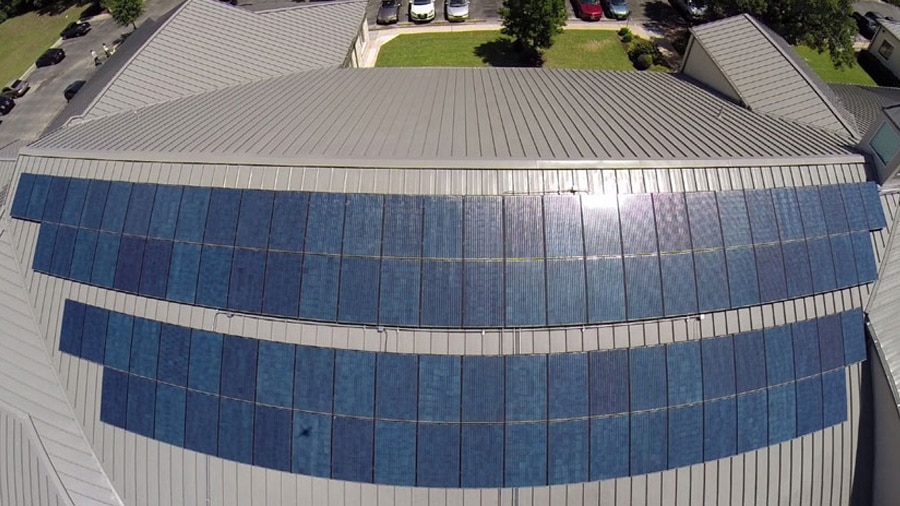


Overview of the Anderson Mill Commercial Solar Project
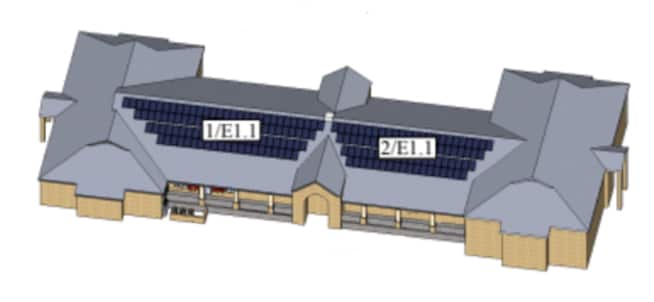
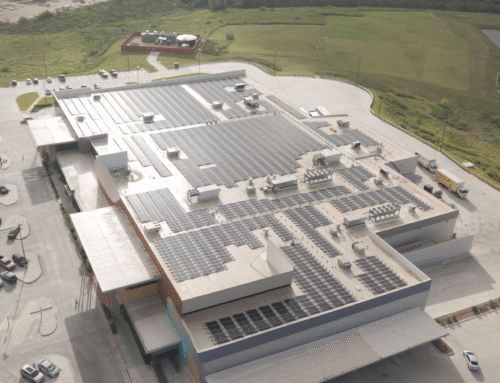
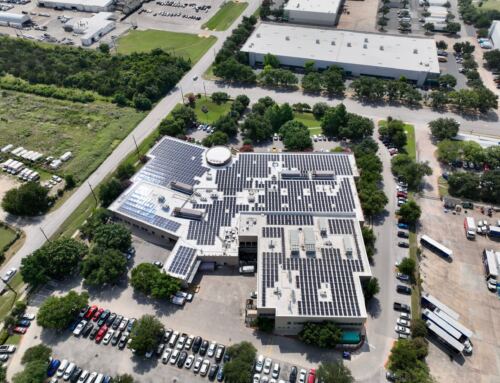
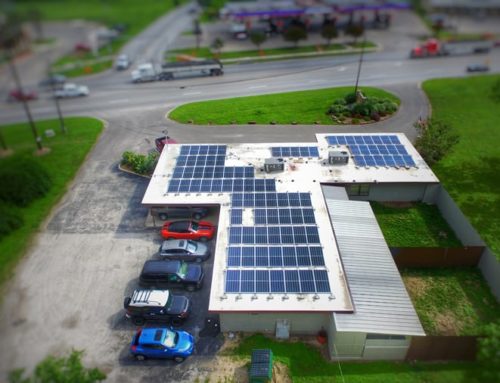
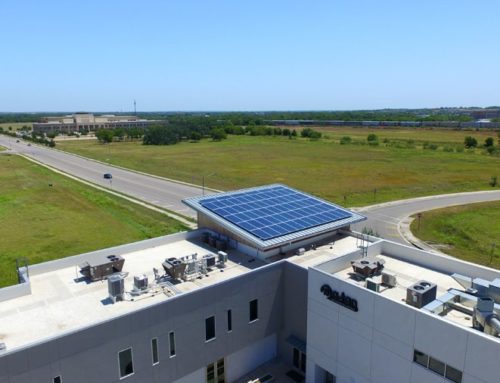
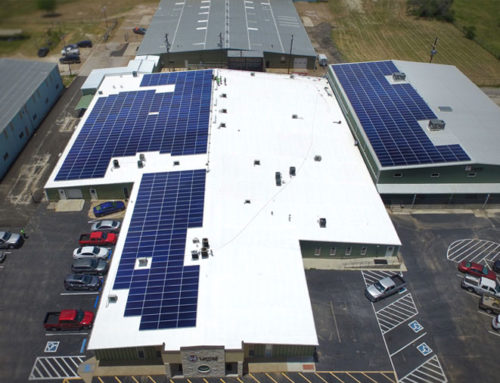
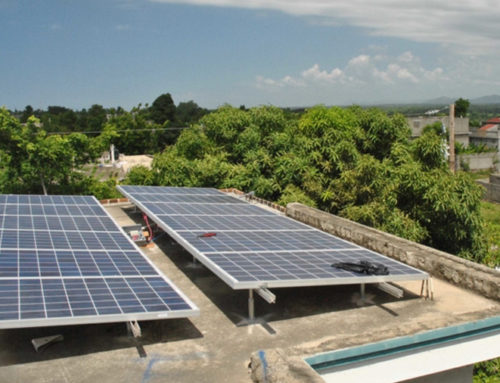
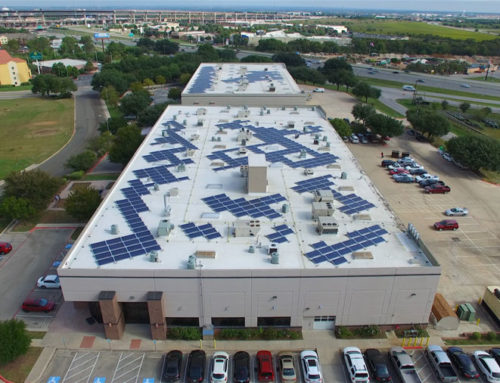
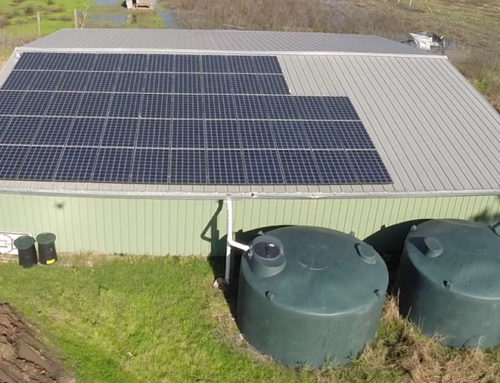
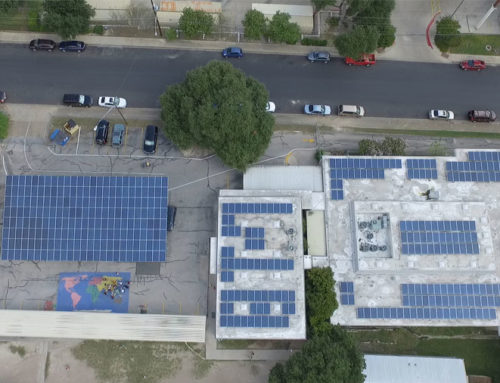
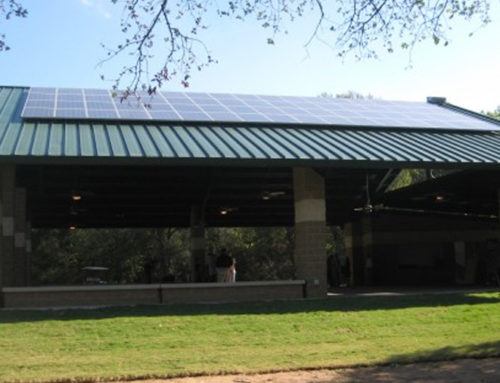
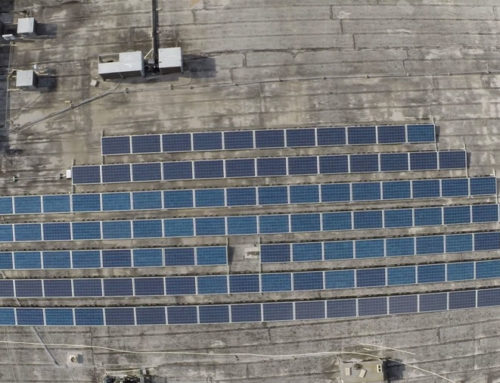
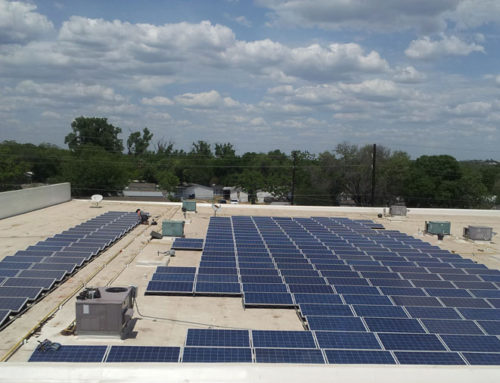
The Anderson Mill Commercial Solar Project is designed to harness solar energy through a 46.5kW roof-mounted solar array. This project not only contributes to the sustainability efforts of Fringe Benefit Group but also serves as a model for other commercial entities looking to transition to renewable energy sources.
Located in Austin, Texas, the project showcases the efficiency of solar technology in urban settings. By utilizing the roof space of the Fringe Benefit Group, the installation maximizes energy production while minimizing the carbon footprint, aligning with contemporary environmental goals.
Benefits of Solar Energy for Commercial Installations
Commercial solar installations offer numerous benefits, including significant reductions in energy costs and enhanced energy independence. Businesses can leverage solar power to stabilize their energy expenses and protect against fluctuating utility rates.
Additionally, adopting solar energy can improve a company's public image and attract environmentally conscious consumers. The long-term savings on energy bills, coupled with potential tax incentives and rebates, make solar investments increasingly attractive for commercial entities.
Financial Impact and Cost Savings
The financial implications of the Anderson Mill solar project are substantial, with expected cost savings on electricity bills for the Fringe Benefit Group. By generating their own electricity, the company can redirect funds previously allocated for energy costs towards other operational needs.
Moreover, the project may qualify for various federal and state incentives, further enhancing its financial viability. These savings can accumulate over time, resulting in a significant return on investment for businesses that implement solar solutions.
Environmental Impact of Solar Energy
Solar energy significantly reduces greenhouse gas emissions, contributing to a cleaner environment. Projects like the Anderson Mill solar array demonstrate how businesses can play a pivotal role in combating climate change by decreasing their reliance on fossil fuels.
The implementation of solar technology not only benefits the immediate area by reducing air pollution but also supports global efforts to transition to renewable energy sources. This shift is crucial for achieving long-term sustainability and protecting natural resources for future generations.
Leave A Comment