
Benefits of Installing Solar Panels in October
October offers unique advantages for homeowners considering solar panel installation. With the summer heat subsiding, installation becomes more manageable, allowing companies to work efficiently and complete projects faster. Additionally, homeowners can start benefiting from solar energy savings immediately, as they will be generating power before the peak summer months return.
Moreover, October often coincides with the end of the fiscal year for many solar incentives and tax credits. By installing in October, homeowners can take advantage of any available rebates and tax benefits, maximizing their financial savings. This strategic timing can lead to significant long-term benefits, making it a prime time for solar investments.
How Solar Panels Can Reduce Your Energy Bills
One of the primary reasons homeowners invest in solar panels is the potential for reduced energy bills. By generating their own electricity, homeowners can significantly lower their reliance on grid power, leading to substantial savings over time. The amount saved varies based on energy consumption, local electricity rates, and the size of the solar system installed.
In addition to immediate savings, solar panels can protect homeowners from rising energy costs. As traditional energy prices continue to increase, having a solar system allows homeowners to lock in their energy costs and enjoy predictable monthly expenses. This long-term financial stability is a compelling reason to consider solar energy solutions.
Understanding Solar Tax Credits and Incentives
Solar tax credits and incentives are crucial for making solar energy more affordable for homeowners. The federal solar tax credit, known as the Investment Tax Credit (ITC), allows homeowners to deduct a significant percentage of their solar installation costs from their federal taxes. This incentive can substantially reduce the upfront cost of going solar, making it an attractive option for many.
Additionally, many states and local governments offer their own incentives, such as rebates, property tax exemptions, and performance-based incentives. These programs vary by location and can further enhance the financial benefits of installing solar panels. Understanding these incentives is essential for homeowners to maximize their investment in solar energy.
Common Misconceptions About Solar Energy
Despite the growing popularity of solar energy, several misconceptions persist that can deter homeowners from making the switch. One common myth is that solar panels are only effective in sunny climates. In reality, solar technology can generate electricity even on cloudy days, and advancements in solar efficiency have made it a viable option in various weather conditions.
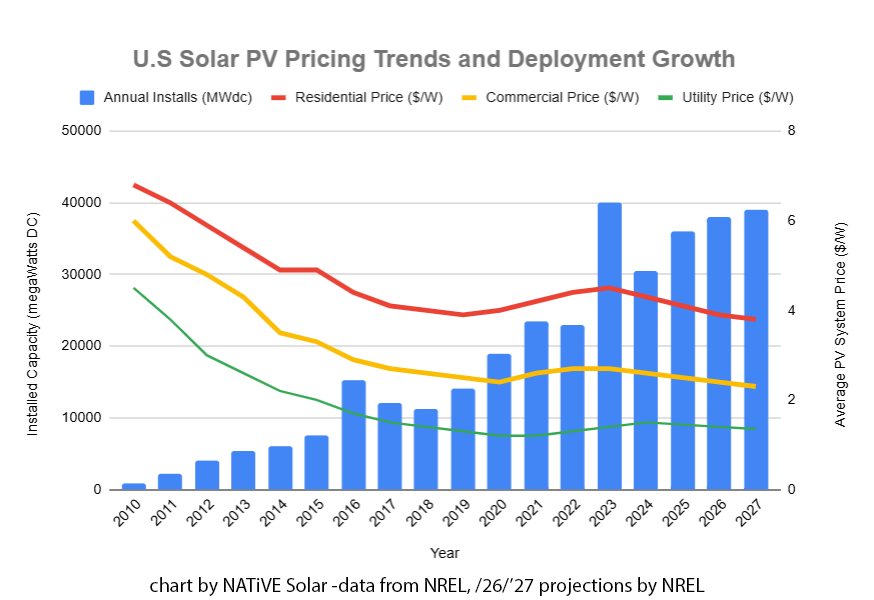
Another misconception is that solar panels are too expensive and not worth the investment. However, with the availability of financing options, tax incentives, and the decreasing cost of solar technology, many homeowners find that solar is not only affordable but also a smart financial decision. Addressing these misconceptions can help more homeowners consider solar energy as a viable option for their energy needs.
Leave A Comment