
Myths About Solar Energy Debunked
Many potential solar energy users are held back by misconceptions that can easily be clarified. For instance, a common myth is that solar panels are only effective in sunny climates. In reality, solar technology can harness energy even on cloudy days, making it a viable option in various weather conditions.
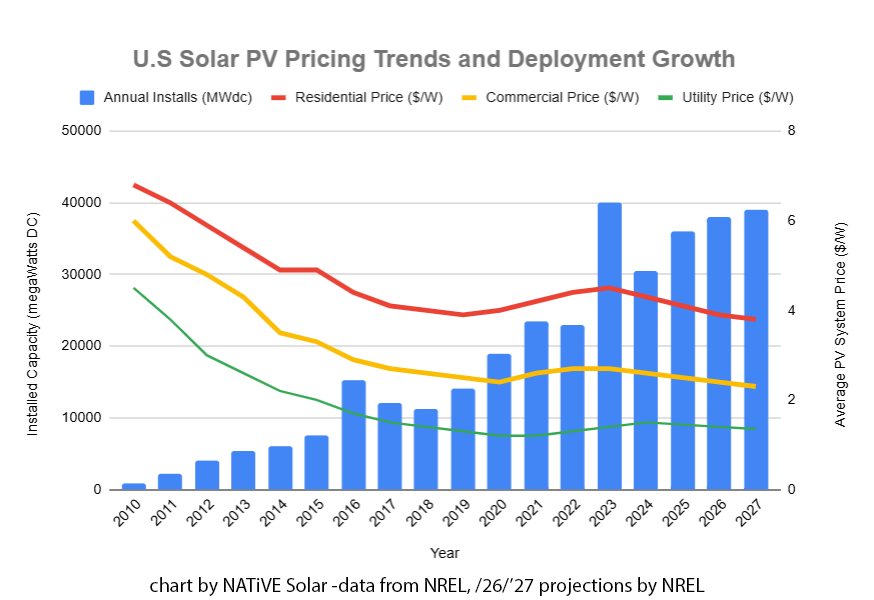
Additionally, some believe that solar energy systems are too expensive to install. However, with the decreasing costs of solar technology and various financial incentives available, many homeowners find that going solar is more affordable than ever. This shift in perception is crucial for encouraging broader adoption of solar solutions.
Benefits of Solar Energy for Homeowners
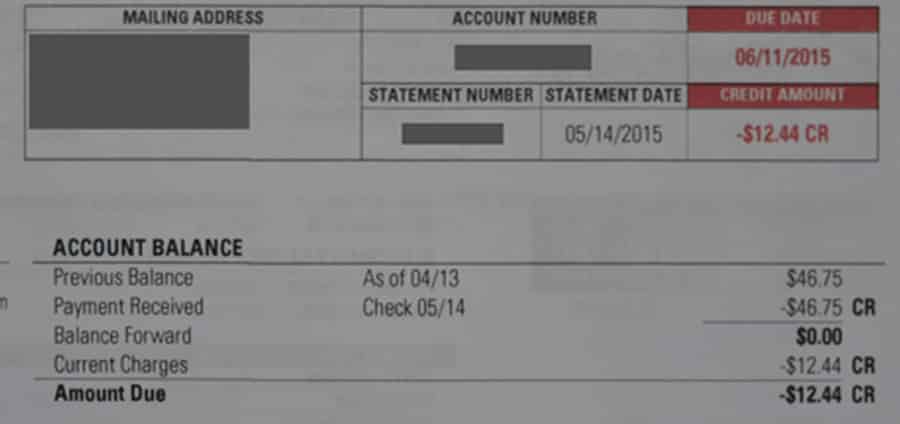
Investing in solar energy can lead to significant financial savings for homeowners. By generating their own electricity, homeowners can reduce or even eliminate their monthly energy bills, leading to long-term savings that offset the initial installation costs.
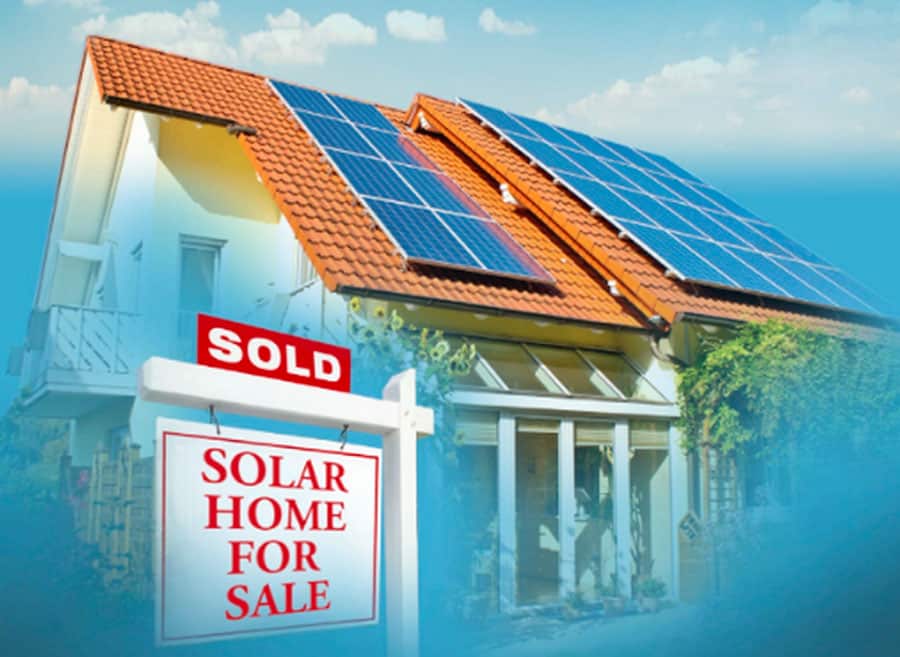
Moreover, solar energy systems can increase property value. Homes equipped with solar panels are often more attractive to buyers, as they promise lower utility costs and a commitment to sustainability. This added value can be a compelling reason for homeowners to consider making the switch to solar energy.
Environmental Impact of Solar Energy
Solar energy is a clean and renewable source of power that significantly reduces greenhouse gas emissions. By utilizing solar panels, homeowners contribute to decreasing reliance on fossil fuels, which are a major contributor to climate change.
Furthermore, solar energy helps to conserve water, as traditional energy production methods often require substantial water for cooling and processing. By switching to solar, homeowners can play a part in preserving vital water resources while promoting a healthier environment for future generations.
How to Choose the Right Solar System for Your Home
Selecting the appropriate solar energy system involves assessing several factors, including energy needs, roof orientation, and budget. Homeowners should start by evaluating their energy consumption patterns to determine the size of the solar system that will meet their needs effectively.
Additionally, it's essential to research different solar technologies and installers. Comparing warranties, customer reviews, and certifications can help homeowners make informed decisions, ensuring they choose a reliable system that maximizes their investment in solar energy.
Leave A Comment