
Understanding Oncor Solar Incentive Eligibility
To qualify for Oncor solar incentives, applicants must meet specific criteria, including the size of the solar installation and the type of property. Residential projects typically range from 1 to 15 kW, with a maximum incentive cap of $8,500. It is crucial for potential applicants to understand these guidelines to ensure they maximize their benefits.
Additionally, eligibility may vary based on the property type and the installation's compliance with local regulations. For instance, properties must be located within the Oncor service area, and applicants must provide necessary documentation to prove ownership and installation details. Consulting with an authorized dealer can help clarify these requirements.
How to Apply for Oncor Solar Incentives
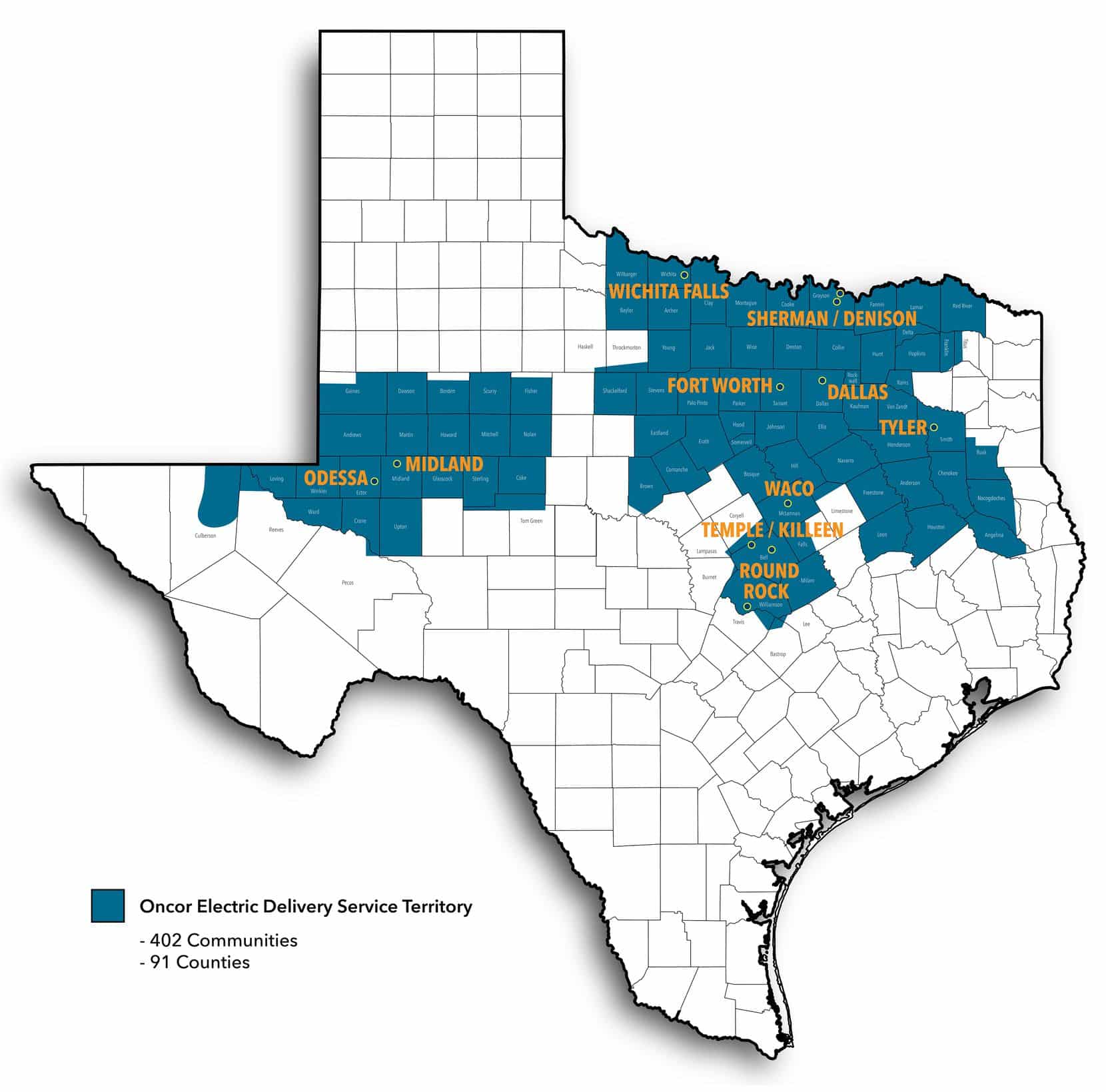
The application process for Oncor solar incentives involves several steps that applicants must follow to secure their funding. Initially, homeowners should gather all required documentation, including proof of installation and eligibility. Once prepared, they can submit their application through the designated online portal or via their authorized dealer.
After submission, applicants should monitor their application status and be aware of any deadlines. It is advisable to apply as soon as possible since incentives are allocated on a first-come, first-served basis, and funds may run out quickly. Staying informed about the application timeline can significantly impact the chances of receiving the incentive.
Current Trends in Solar Incentives in Texas
As the solar energy market evolves, so do the trends surrounding solar incentives in Texas. Recently, there has been a noticeable increase in demand for solar installations, driven by rising energy costs and growing environmental awareness among consumers. This trend has prompted local governments and utility providers to enhance their incentive programs to accommodate the influx of applications.
Moreover, legislative changes, such as the introduction of new tax credits and grants, are reshaping the landscape of solar incentives. For example, the potential extension of the federal solar tax credit and state-level initiatives could provide additional financial relief for both residential and commercial property owners, making solar energy more accessible than ever.
Impact of Solar Incentives on Property Value
Investing in solar energy not only reduces utility bills but can also significantly increase property value. Studies have shown that homes equipped with solar panels tend to sell for more than similar homes without them. This increase in value can be attributed to the long-term savings on energy costs and the growing appeal of sustainable living.
Furthermore, properties that take advantage of available solar incentives can see an even greater return on investment. By reducing the upfront costs of installation, homeowners can recover their investments faster, making solar energy not just an environmentally friendly choice, but also a financially savvy one.
Leave A Comment