By NATiVE Solar|2019-05-06T10:27:09-05:00August 21st, 2014|Solar|
Water conservation is crucial in addressing the growing challenges of water scarcity and environmental sustainability. By implementing effective water-saving strategies, individuals and communities can significantly reduce their water footprint, ensuring that this vital resource is available for future generations.
For instance, adopting practices such as rainwater harvesting, xeriscaping, and efficient irrigation techniques can lead to substantial water savings. According to the U.S. Environmental Protection Agency, simple changes in household water usage can save thousands of gallons annually, contributing to both conservation efforts and lower utility bills.
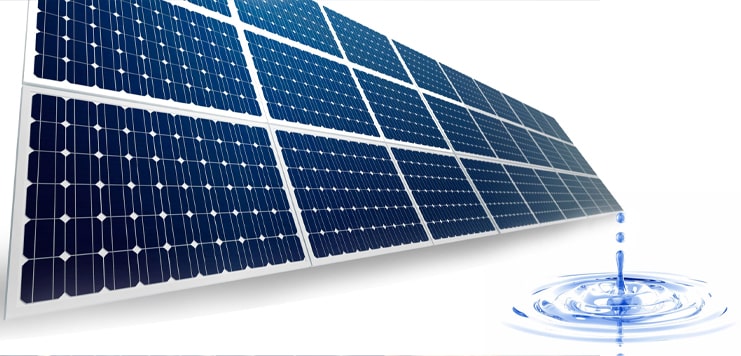
Solar energy plays a pivotal role in water conservation by reducing the energy required for water heating and treatment. By utilizing solar power, households and businesses can lower their reliance on traditional energy sources that often consume significant amounts of water during production.
For example, solar water heaters can provide hot water without the need for gas or electricity, which typically requires substantial water inputs for cooling and processing. Additionally, solar-powered pumps can help in irrigation systems, minimizing water waste and improving efficiency in agricultural practices.
Emerging technologies are enhancing water conservation efforts, providing innovative solutions to traditional challenges. From smart irrigation systems that adjust watering schedules based on real-time weather data to advanced filtration systems that recycle greywater, technology is transforming how we manage water resources.
For instance, IoT-enabled devices can monitor water usage patterns and detect leaks, allowing for prompt repairs and optimized water use. These technologies not only conserve water but also empower users with data-driven insights to make informed decisions about their consumption habits.
Community initiatives play a vital role in promoting sustainable water use and conservation practices. Local organizations and governments often collaborate to raise awareness and implement programs that encourage residents to adopt water-saving measures.
Programs such as community workshops, incentive-based rebate systems for water-efficient appliances, and public campaigns can significantly impact water conservation efforts. By fostering a culture of sustainability, communities can collectively reduce their water usage and protect local water resources for everyone.