Powering Your Home With Solar + Storage Solutions Powering Your Home With Solar + Storage Solutions Powering Your Home With Solar + Storage Solutions By NATiVE Solar|2024-03-25T11:06:37-06:00March 2nd, 2023|Batteries, Blog, Energy Storage, Solar, Texas Grid| Read More 0
Keeping the Power on During the Texas Ice Storm Keeping the Power on During the Texas Ice Storm Keeping the Power on During the Texas Ice Storm By NATiVE Solar|2023-02-21T12:14:35-06:00February 21st, 2023|Blog, Case Studies, Energy Storage, Solar, Texas Grid| Read More 0
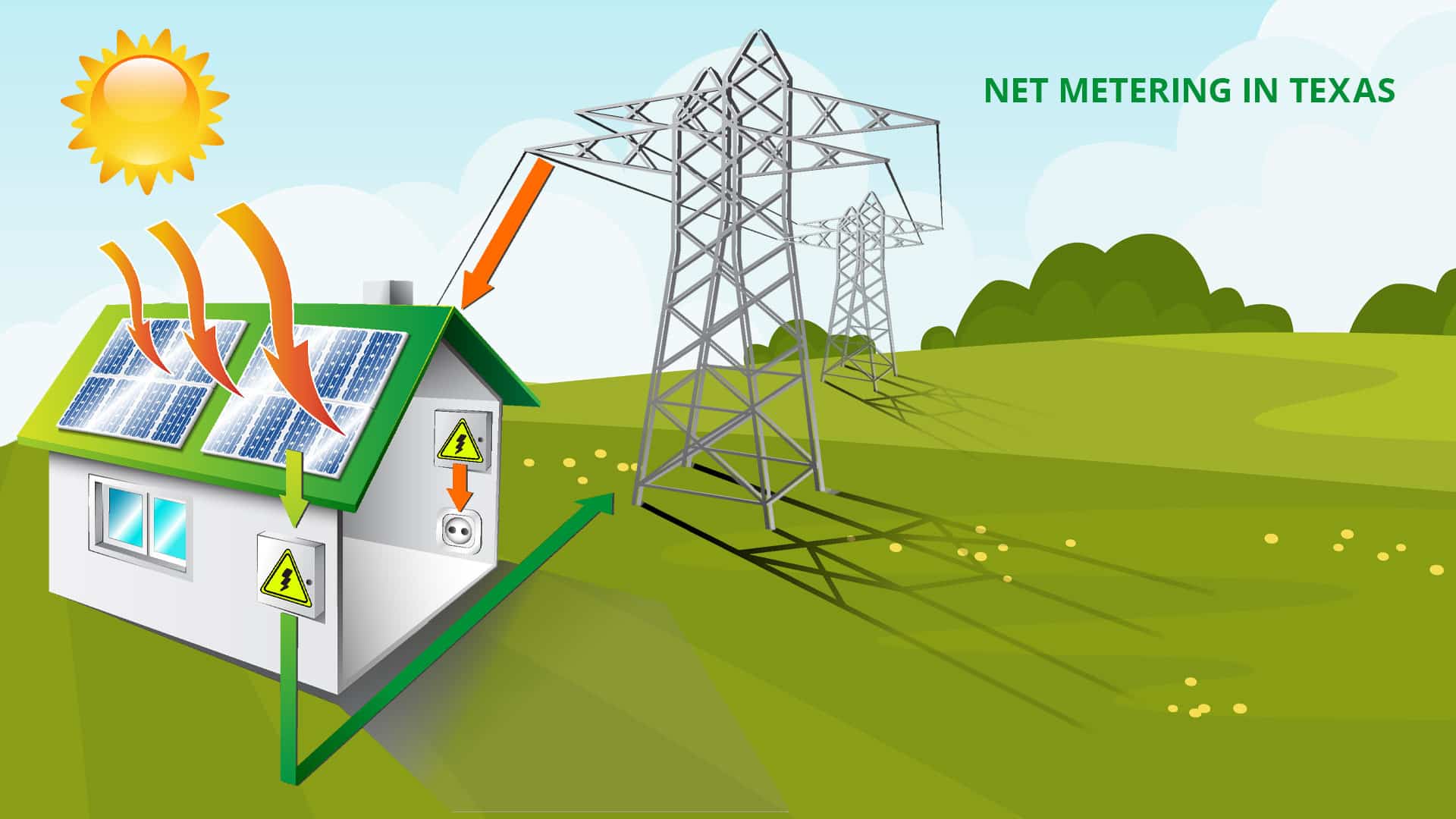
Net Metering in Texas Net Metering in Texas Net Metering in Texas By NATiVE Solar|2023-02-21T11:39:46-06:00February 21st, 2023|Blog, Net Metering, Solar, Texas Grid| Read More 7
14 Reasons to Love Solar 14 Reasons to Love Solar 14 Reasons to Love Solar By NATiVE Solar|2023-02-14T11:02:03-06:00February 14th, 2023|Blog, Solar| Read More 3
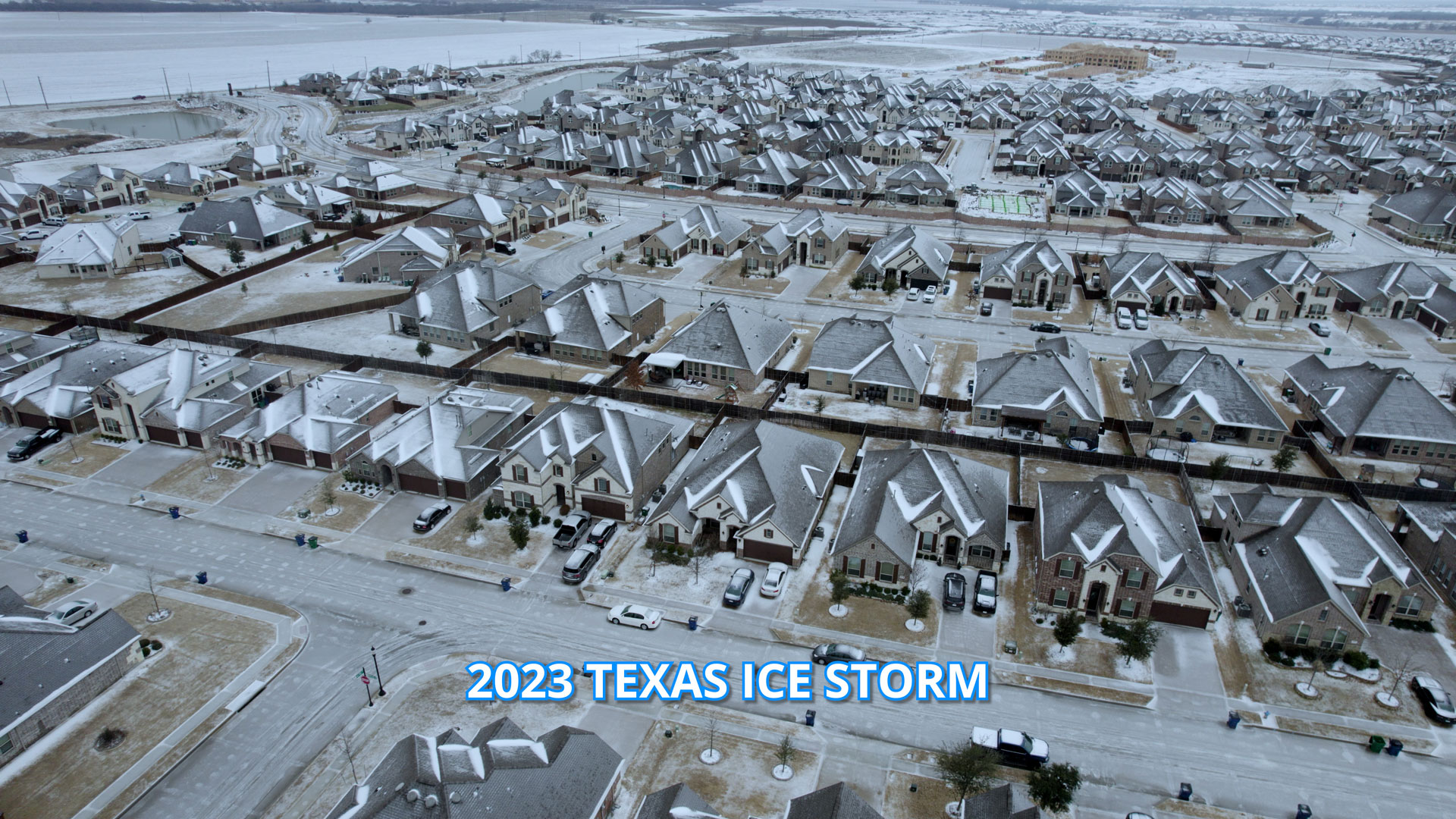
2023 Texas Ice Storm 2023 Texas Ice Storm 2023 Texas Ice Storm By NATiVE Solar|2024-03-25T11:06:36-06:00February 6th, 2023|Batteries, Blog, Energy Storage, Solar, Texas Grid| Read More 2
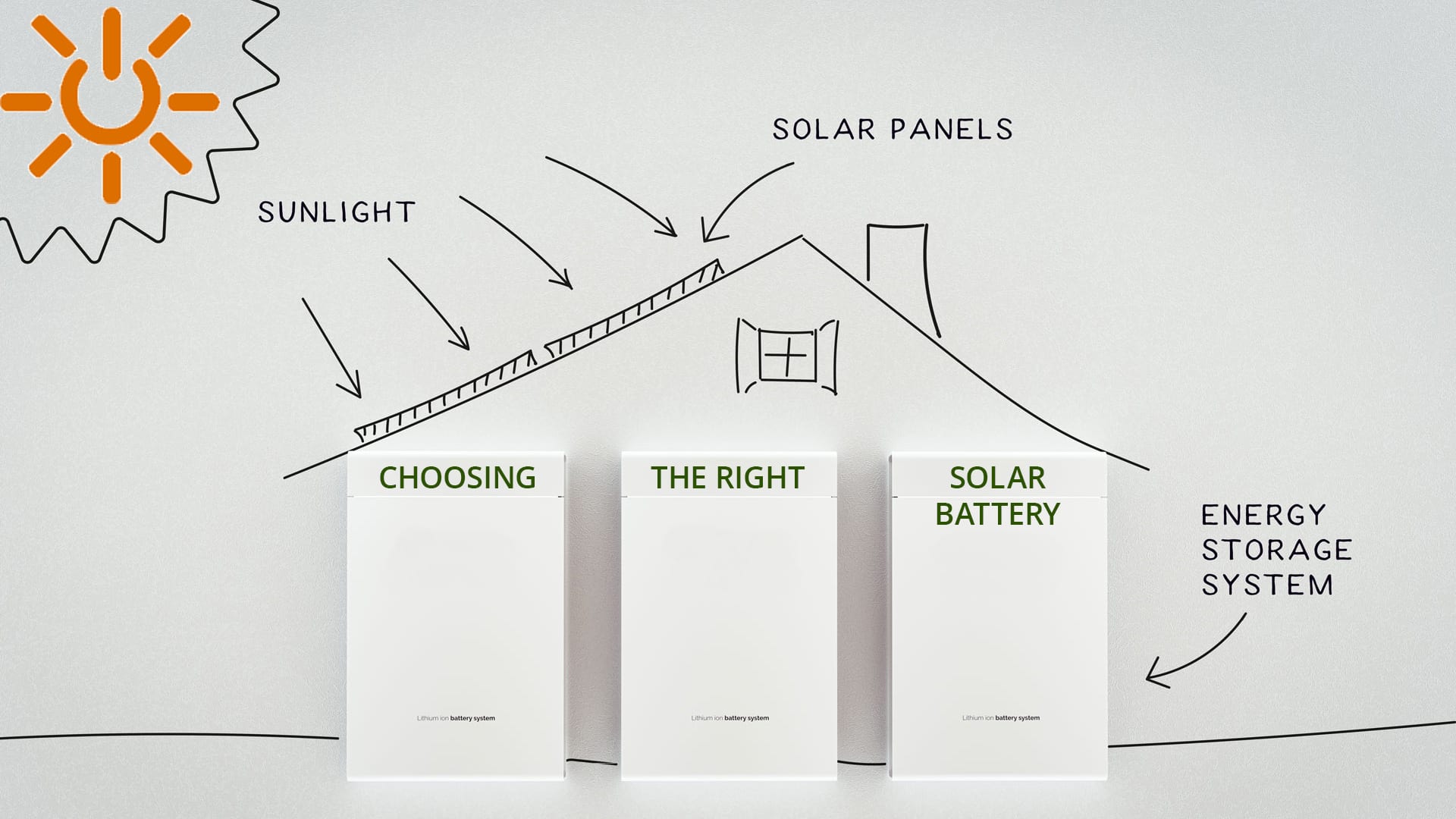
Choosing the Right Solar Battery Choosing the Right Solar Battery Choosing the Right Solar Battery By NATiVE Solar|2023-01-24T09:53:41-06:00January 23rd, 2023|Batteries, Blog, Energy Storage| Read More 1
Common Questions about “Going Solar” – answered :) Common Questions about “Going Solar” – answered :) Common Questions about “Going Solar” – answered :) By NATiVE Solar|2025-05-18T15:24:50-06:00January 9th, 2023|Blog, Solar| Read More 4
Exciting New Technologies to Support Solar’s Boundless Growth Exciting New Technologies to Support Solar’s Boundless Growth Exciting New Technologies to Support Solar’s Boundless Growth By NATiVE Solar|2024-04-08T08:07:55-06:00December 20th, 2022|Batteries, Blog, Energy Storage, Solar, Technology| Read More 3
The Best Time to Go Solar is … in the Winter? The Best Time to Go Solar is … in the Winter? The Best Time to Go Solar is … in the Winter? By NATiVE Solar|2022-12-05T13:12:54-06:00December 5th, 2022|Blog, Solar| Read More 1
Holiday Special! Holiday Special! Holiday Special! By NATiVE Solar|2024-09-17T11:32:29-06:00December 2nd, 2022|Blog| Read More 1