By NATiVE Solar|2025-06-14T11:46:16-06:00February 13th, 2025|Batteries, Batteries, Blog, Commercial Solar, Energy Storage, Finance, Politics, Residential Solar, Solar, Solar Industry, Technology|
Solar tariffs refer to the pricing structures that determine how much consumers pay for solar energy and the incentives available for solar installations. These tariffs can vary significantly based on location, utility companies, and government regulations, making it crucial for users to understand the underlying principles.
For instance, net metering is a common tariff structure that allows solar energy users to receive credits for the excess energy they produce and send back to the grid. Additionally, understanding fixed and variable tariffs can help consumers make informed decisions about their energy consumption and solar investments.
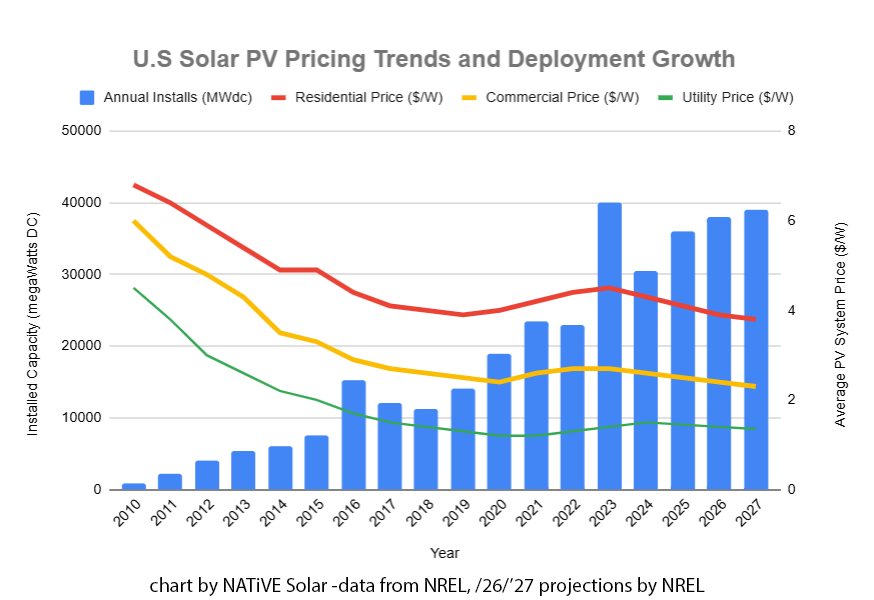
The pricing trends for solar energy and battery storage in 2025 are influenced by various factors, including technological advancements, regulatory changes, and market demand. Keeping abreast of these factors can help consumers and businesses anticipate changes in costs and make strategic decisions.
For example, the introduction of more efficient solar panels and battery technologies can lead to lower installation costs and higher energy production, affecting overall pricing trends. Furthermore, government incentives and subsidies can significantly impact the affordability of solar solutions for both residential and commercial users.
Government policies play a critical role in shaping solar tariffs and the overall solar market. Understanding these policies can empower consumers to take advantage of available incentives and support the growth of renewable energy.
In 2025, policies such as the Investment Tax Credit (ITC) and various state-level incentives may continue to influence solar adoption rates. Staying informed about legislative changes can help users navigate the complexities of solar tariffs and maximize their savings.
As the solar energy market evolves, it is essential to consider the future outlook for solar tariffs beyond 2025. This involves analyzing current trends and projecting potential changes that could affect consumers and businesses alike.
Experts predict that as technology continues to advance and more consumers adopt solar solutions, tariffs may become more competitive. Additionally, the integration of smart grid technologies could lead to more dynamic pricing models, allowing users to benefit from real-time energy market fluctuations.