By NATiVE Solar|2022-12-20T08:04:35-06:00May 8th, 2015|Blog, Energy Efficiency, News, Solar|
Off-grid solar systems are designed to operate independently of the traditional electricity grid, providing power to homes and businesses in remote locations. These systems typically consist of solar panels, batteries for energy storage, and an inverter to convert the stored energy into usable electricity.
Many users choose off-grid solar solutions to achieve energy independence and reduce reliance on fossil fuels. For instance, a family living in a rural area can harness solar energy to power their home, ensuring a consistent energy supply even during outages or in areas without grid access.
Off-grid solar solutions offer numerous advantages, including reduced electricity bills, environmental sustainability, and energy security. By generating their own power, users can significantly lower their monthly energy expenses and contribute to a cleaner planet.
Additionally, off-grid systems can be tailored to meet specific energy needs, making them ideal for a variety of applications, from powering remote cabins to supporting small businesses. For example, many outdoor enthusiasts install off-grid solar systems in RVs or boats to enjoy sustainable energy while on the go.
When selecting an off-grid solar system, it is essential to consider factors such as energy consumption, battery capacity, and system size. Users should conduct a thorough assessment of their energy needs to ensure that the system can provide adequate power throughout the year.
Furthermore, the choice of components, such as solar panels and batteries, can greatly influence system performance and longevity. For instance, investing in high-quality lithium batteries can enhance energy storage efficiency, resulting in a more reliable off-grid experience.
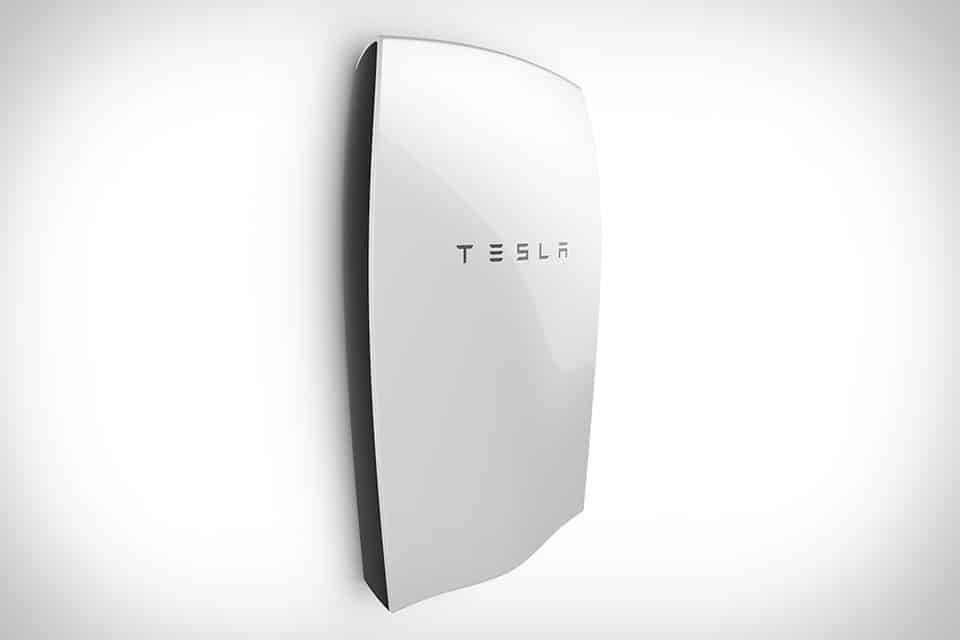
Tesla batteries, particularly the Powerwall, have gained popularity for off-grid solar systems due to their advanced technology and efficiency. These batteries provide a reliable storage solution for solar energy, allowing users to store excess power generated during the day for use at night or during cloudy weather.
Moreover, Tesla's smart energy management system enables users to monitor and optimize their energy consumption, ensuring that they make the most of their off-grid solar setup. This integration not only enhances the performance of off-grid systems but also contributes to a more sustainable energy future.