By NATiVE Solar|2021-08-24T12:53:27-05:00August 24th, 2021|Blog, EVs|
Electric vehicles (EVs) offer numerous benefits, including reduced greenhouse gas emissions, lower operating costs, and enhanced energy efficiency. By transitioning to EVs, consumers can significantly decrease their carbon footprint and contribute to a cleaner environment.
For instance, studies have shown that EVs can produce up to 50% fewer emissions compared to traditional gasoline vehicles, even when accounting for the electricity used for charging. Additionally, the cost of electricity per mile is generally lower than gasoline, making EVs a more economical choice in the long run.
The integration of solar energy with electric vehicles represents a significant advancement in sustainable technology. By using solar panels to charge EVs, users can harness renewable energy, further reducing reliance on fossil fuels and enhancing energy independence.
For example, homeowners can install solar charging stations that allow them to charge their vehicles directly from solar power. This not only maximizes the efficiency of their solar energy systems but also provides a cost-effective solution for powering electric vehicles, especially as solar technology continues to improve.
Electric vehicles play a crucial role in reducing environmental pollution and combating climate change. By replacing internal combustion engines with electric drivetrains, EVs help to lower air pollution levels and reduce noise pollution in urban areas.
Research indicates that widespread adoption of electric vehicles could lead to a significant decrease in urban smog and respiratory problems related to air quality. Additionally, as the electricity grid becomes greener with more renewable energy sources, the overall environmental benefits of EVs will continue to increase.
The future of electric vehicle technology is bright, with ongoing advancements in battery technology, autonomous driving, and smart grid integration. These innovations promise to enhance the performance, safety, and convenience of electric vehicles.
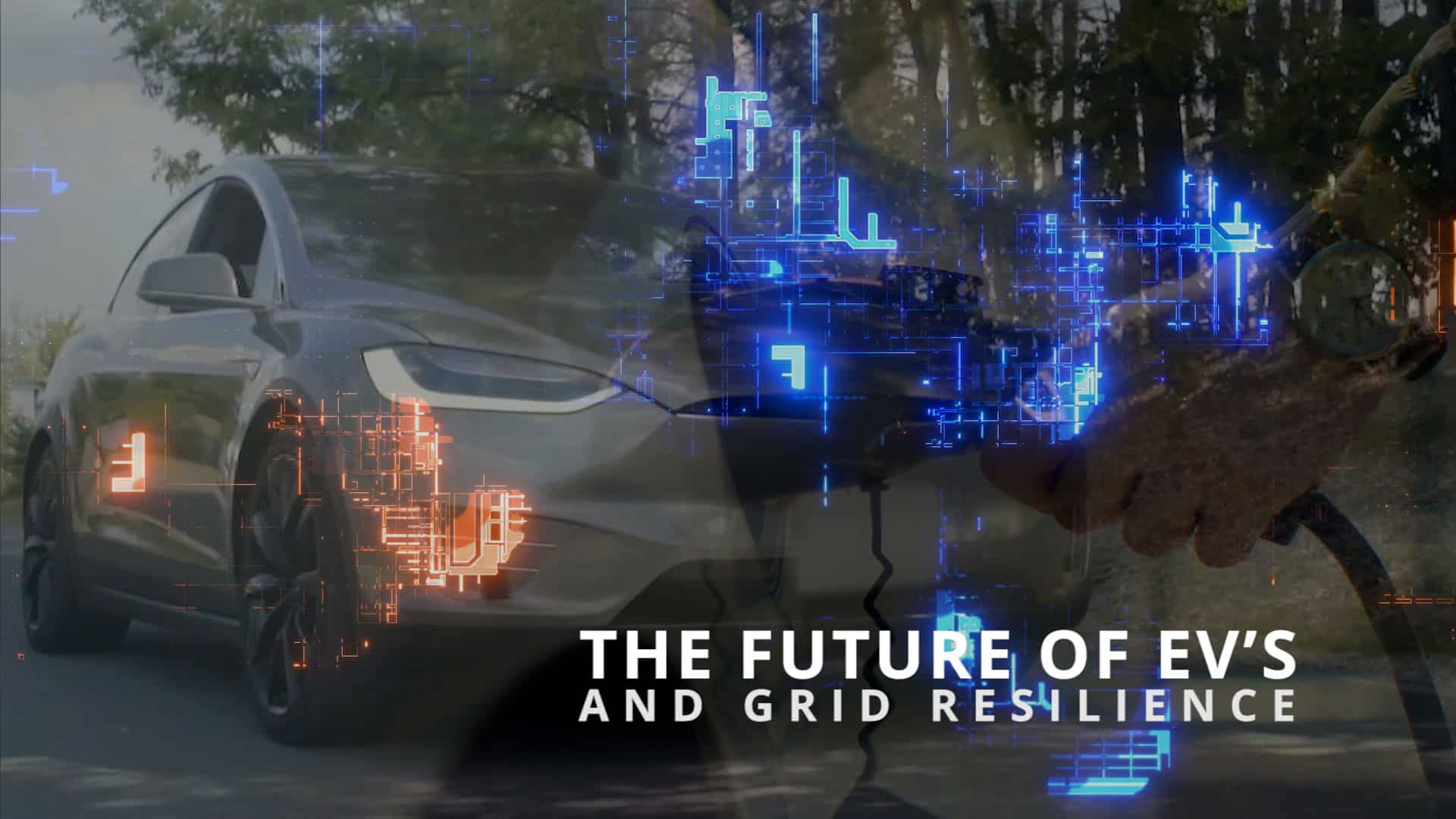
For instance, improvements in battery technology are leading to longer ranges and faster charging times, making EVs more accessible to a broader audience. Furthermore, the development of vehicle-to-grid (V2G) technology allows EVs to not only draw power from the grid but also return energy during peak demand, contributing to grid stability and efficiency.