Federal Tax Returns – 30% Investment Tax Credit (ITC) Federal Tax Returns – 30% Investment Tax Credit (ITC) Federal Tax Returns – 30% Investment Tax Credit (ITC) By NATiVE Solar|2019-06-04T10:49:58-05:00April 4th, 2018|Blog, Energy Storage, Solar| Read More 0
Panasonic Solar Authorized Installer Panasonic Solar Authorized Installer Panasonic Solar Authorized Installer By NATiVE Solar|2018-12-06T12:26:00-06:00March 20th, 2018|News, Partners, Solar| Read More 1
2018 Texas Solar Market 2018 Texas Solar Market 2018 Texas Solar Market By NATiVE Solar|2019-01-09T10:17:57-06:00March 7th, 2018|Blog, Energy Storage, Solar| Read More 0
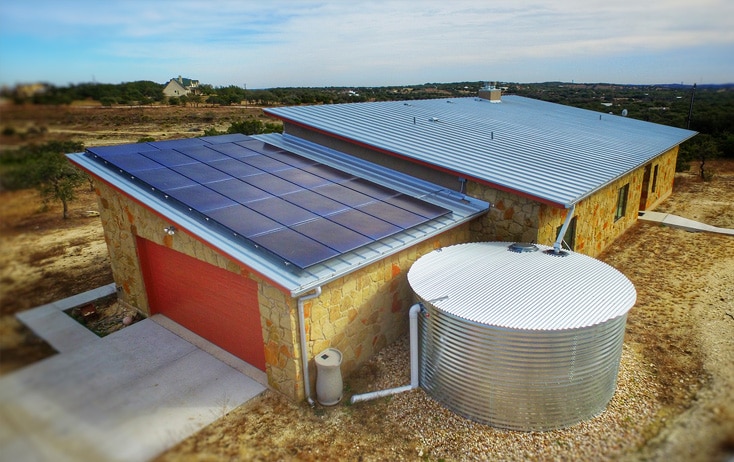
Incorporating Solar in your New Build Incorporating Solar in your New Build Incorporating Solar in your New Build By NATiVE Solar|2018-12-06T12:51:11-06:00February 6th, 2018|Blog, Solar| Read More 0
Portable Emergency Solar Power for Puerto Rico Portable Emergency Solar Power for Puerto Rico Portable Emergency Solar Power for Puerto Rico By NATiVE Solar|2019-09-23T21:09:06-05:00January 22nd, 2018|Community Involvement, Energy Storage, News, Press, Solar| Read More 0
Battery Storage Systems Federal Tax Incentives Battery Storage Systems Federal Tax Incentives Battery Storage Systems Federal Tax Incentives By NATiVE Solar|2024-12-07T11:19:40-06:00December 22nd, 2017|Blog, Energy Storage, Off-Grid| Read More 0
Clean Energy Credit Union Clean Energy Credit Union Clean Energy Credit Union By NATiVE Solar|2020-07-09T09:25:01-05:00November 7th, 2017|Blog, Partners, Solar| Read More 0
Bringing Solar Outreach Systems to Puerto Rico Bringing Solar Outreach Systems to Puerto Rico Bringing Solar Outreach Systems to Puerto Rico By NATiVE Solar|2019-09-23T08:14:52-05:00November 7th, 2017|Community Involvement, Solar| Read More 0
Why October is the Best Time to Buy Solar Why October is the Best Time to Buy Solar Why October is the Best Time to Buy Solar By NATiVE Solar|2019-01-05T10:25:19-06:00October 5th, 2017|Blog, Solar| Read More 0
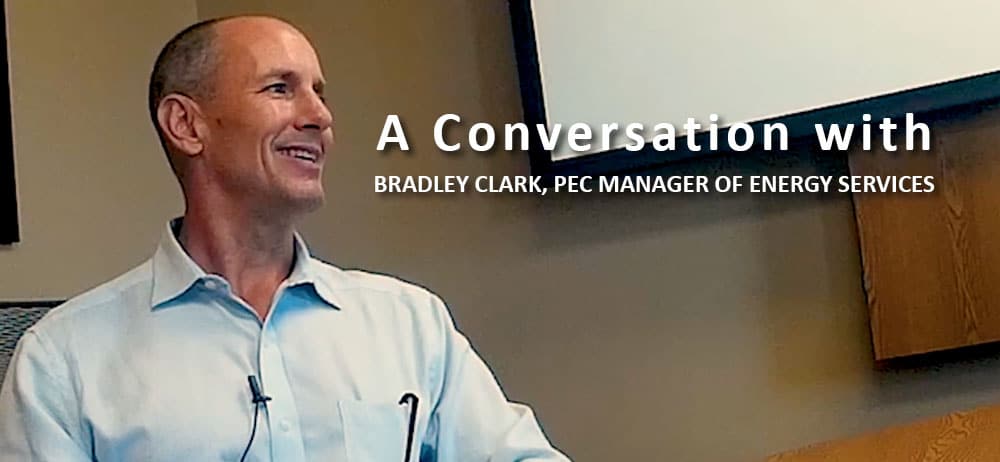
A Conversation with the PEC Energy Services Manager Brad Clark A Conversation with the PEC Energy Services Manager Brad Clark A Conversation with the PEC Energy Services Manager Brad Clark By NATiVE Solar|2023-12-08T08:31:28-06:00September 26th, 2017|Blog, Energy Efficiency, Energy Storage, Partners, Solar| Read More 2