Residential Microgrid Residential Microgrid Residential Microgrid By NATiVE Solar|2021-09-14T11:00:59-05:00September 13th, 2021|Blog, Case Studies, Energy Storage, Residential Solar, Solar| Read More 0
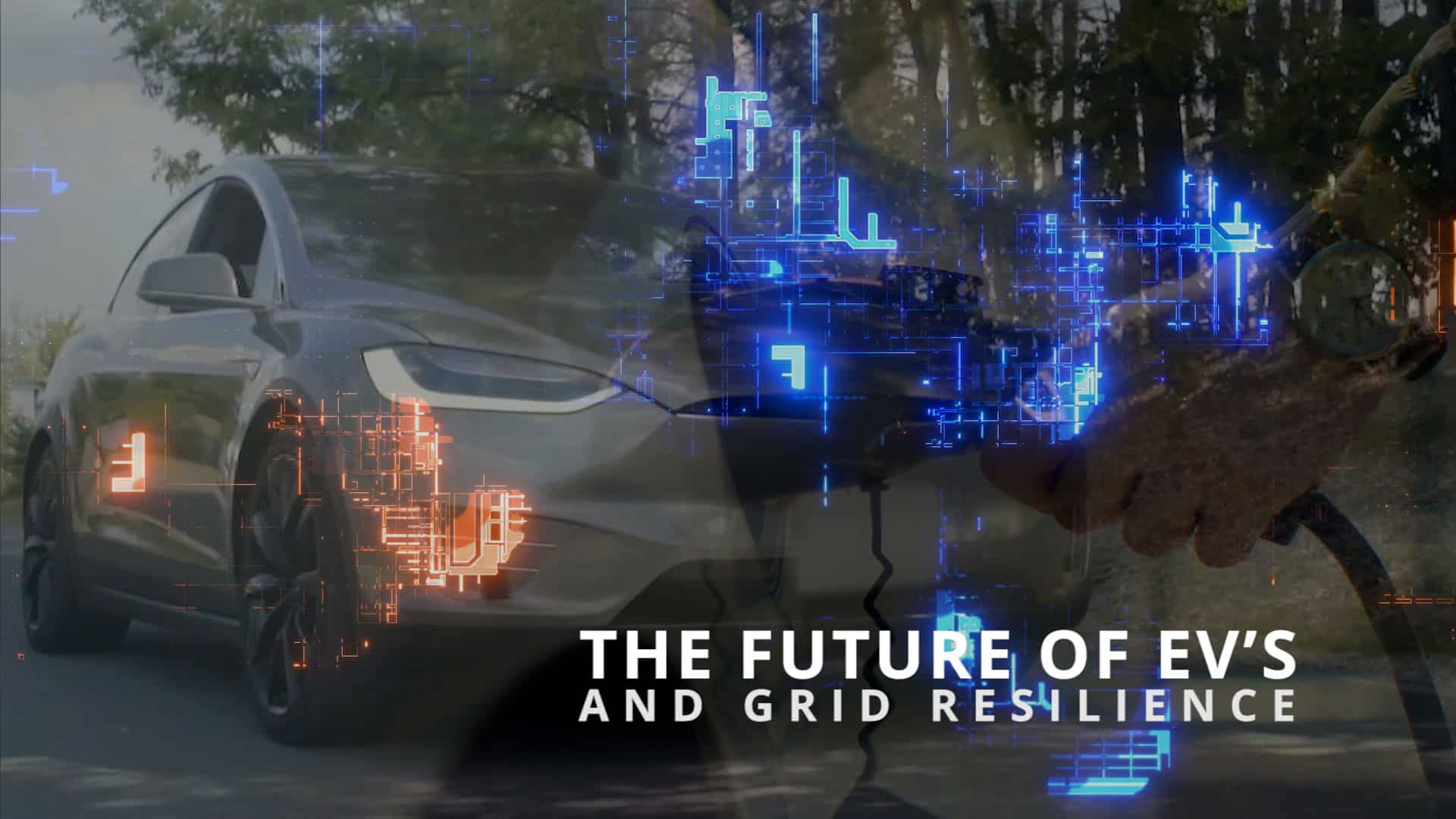
The Future of EV’s and Grid Resilience The Future of EV’s and Grid Resilience The Future of EV’s and Grid Resilience By NATiVE Solar|2021-08-24T12:53:27-05:00August 24th, 2021|Blog, EVs| Read More 0
Green Career Pathways Green Career Pathways Green Career Pathways By NATiVE Solar|2022-01-17T14:26:58-06:00August 23rd, 2021|Blog| Read More 0
Social Media and Content Specialist Social Media and Content Specialist Social Media and Content Specialist By NATiVE Solar|2022-02-15T14:40:19-06:00August 13th, 2021|Blog| Read More 0
Dealing with the Summer Heat Dealing with the Summer Heat Dealing with the Summer Heat By NATiVE Solar|2021-08-05T10:11:12-05:00August 4th, 2021|Blog, Energy Efficiency, Solar| Read More 0
Home Builders Institute Home Builders Institute Home Builders Institute By NATiVE Solar|2023-06-05T06:55:37-06:00July 21st, 2021|Blog, Community Involvement| Read More 0
Studio 512 Interview with John Lewis Studio 512 Interview with John Lewis Studio 512 Interview with John Lewis By NATiVE Solar|2021-07-19T08:10:02-05:00July 19th, 2021|Blog, News, Residential Solar, Solar| Read More 0
Don’t Mess With Texas Thermostats Don’t Mess With Texas Thermostats Don’t Mess With Texas Thermostats By NATiVE Solar|2021-07-08T09:55:52-05:00July 6th, 2021|Blog| Read More 0
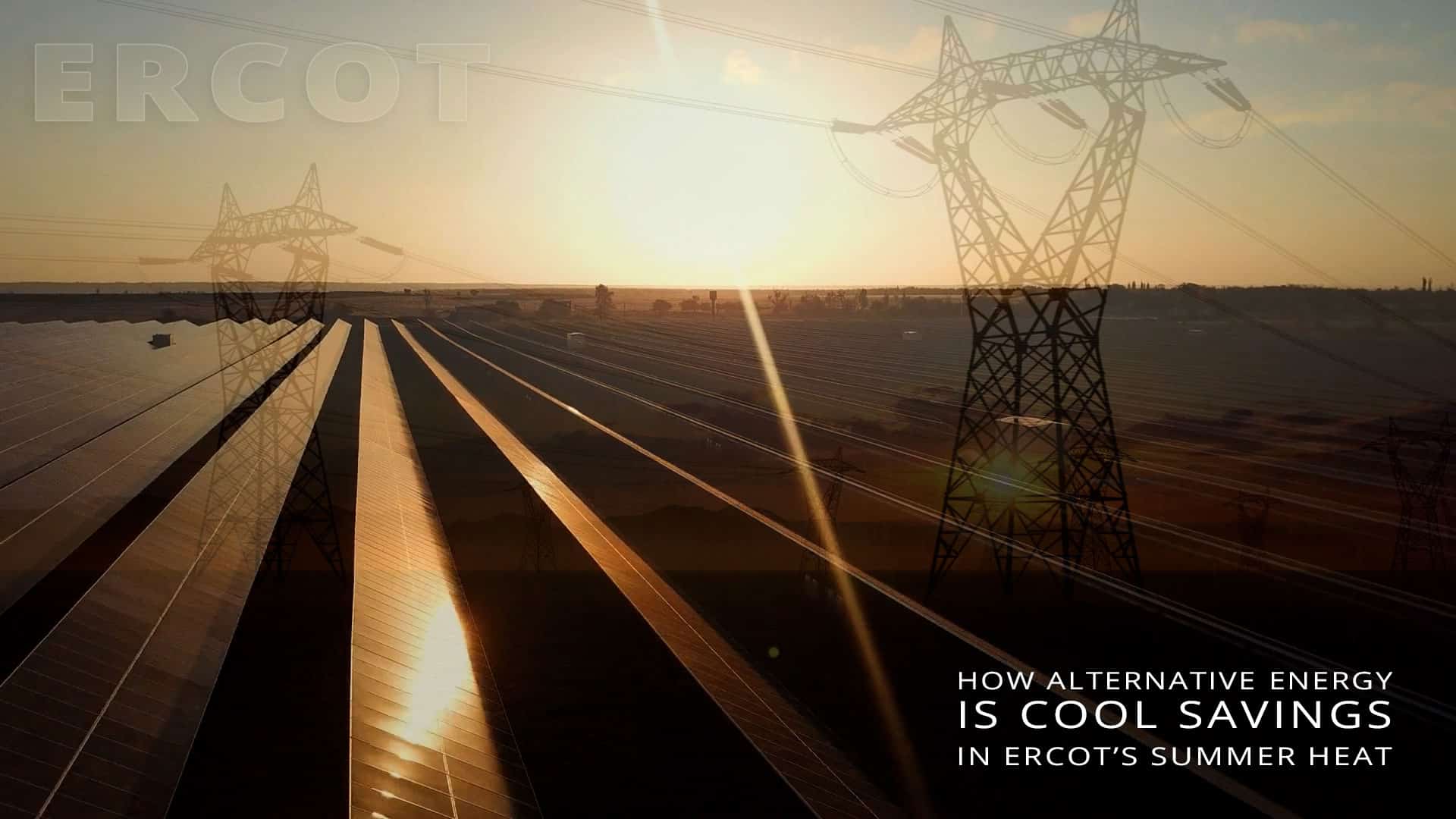
ERCOT ERCOT ERCOT By NATiVE Solar|2021-06-22T08:51:58-05:00June 22nd, 2021|Blog, Energy Efficiency, Solar| Read More 0
Are Utilities Embracing Alternative Energy Yet? Are Utilities Embracing Alternative Energy Yet? Are Utilities Embracing Alternative Energy Yet? By NATiVE Solar|2021-06-08T10:41:24-05:00June 8th, 2021|Blog, Energy Efficiency, Solar| Read More 0