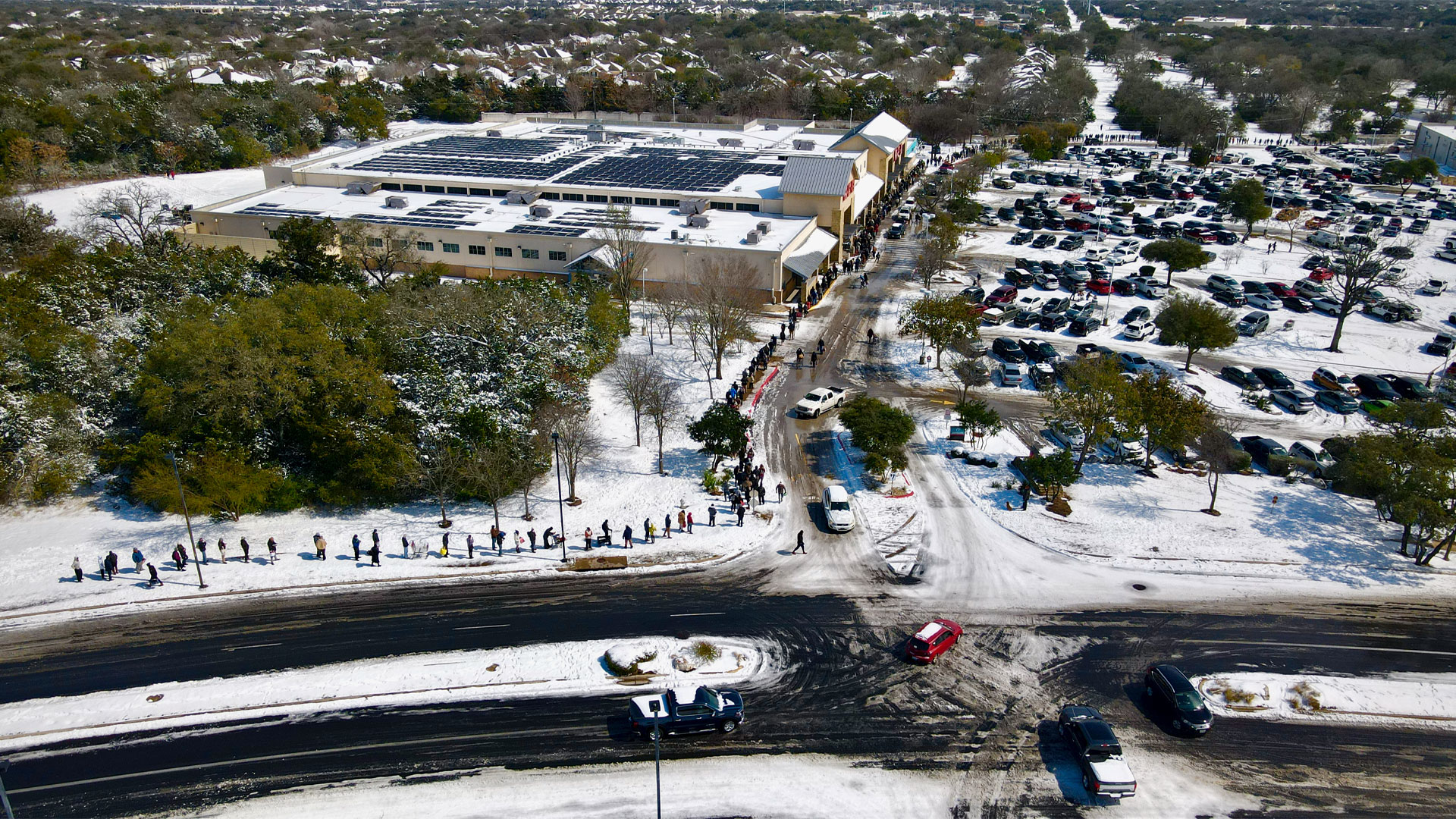
Navigating the Texas Grid this Winter Navigating the Texas Grid this Winter Navigating the Texas Grid this Winter By NATiVE Solar|2023-12-29T12:15:36-06:00December 29th, 2023|Batteries, Blog, Commercial Solar, Residential Solar, Solar, Texas Grid| Read More 0
The Role of Solar Power in Alleviating Water Scarcity in Texas The Role of Solar Power in Alleviating Water Scarcity in Texas The Role of Solar Power in Alleviating Water Scarcity in Texas By NATiVE Solar|2023-12-05T08:58:42-06:00December 5th, 2023|Blog, Solar, Technology| Read More 0
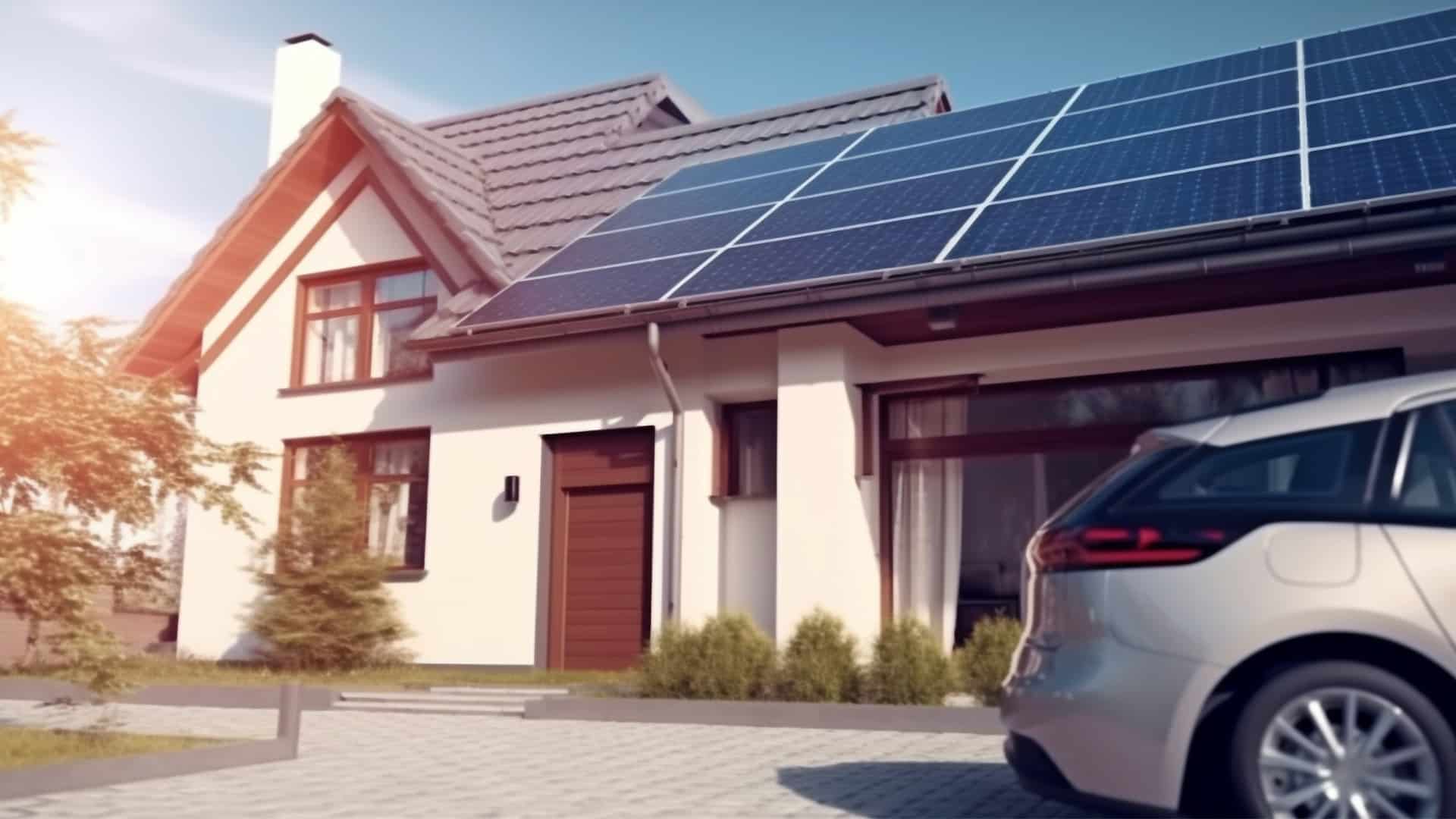
Revolutionizing Texas Homes Revolutionizing Texas Homes Revolutionizing Texas Homes By NATiVE Solar|2023-12-04T14:08:43-06:00December 4th, 2023|Blog, Energy Efficiency, Energy Storage, Solar, Technology| Read More 0
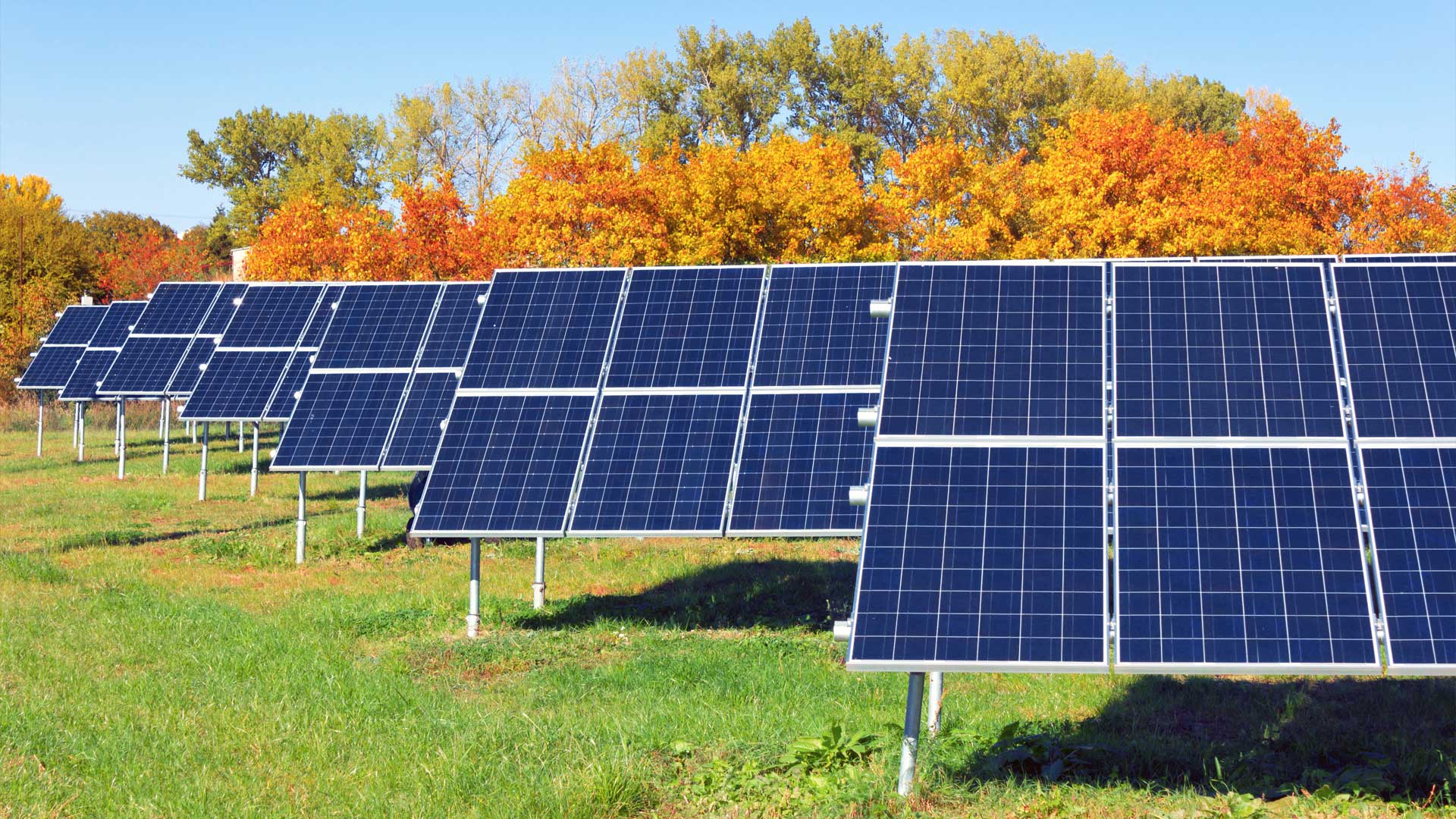
Agrivoltaics in Texas Agrivoltaics in Texas Agrivoltaics in Texas By NATiVE Solar|2023-11-27T13:42:35-06:00November 27th, 2023|Blog, Solar| Read More 1
How the IRA is Building an Inclusive Clean Energy Economy How the IRA is Building an Inclusive Clean Energy Economy How the IRA is Building an Inclusive Clean Energy Economy By NATiVE Solar|2023-11-27T12:56:53-06:00November 27th, 2023|Blog, Solar| Read More 1
Maximizing Your Electric Vehicle’s Environmental Impact Maximizing Your Electric Vehicle’s Environmental Impact Maximizing Your Electric Vehicle’s Environmental Impact By NATiVE Solar|2023-11-13T08:17:01-06:00November 13th, 2023|Batteries, Blog, Energy Storage, EVs, Residential Solar, Solar| Read More 0
How to Spot and Avoid Solar Scams How to Spot and Avoid Solar Scams How to Spot and Avoid Solar Scams By NATiVE Solar|2023-11-07T10:22:52-06:00November 7th, 2023|Blog, Solar| Read More 0
Solar Panels in the Fall Season Solar Panels in the Fall Season Solar Panels in the Fall Season By NATiVE Solar|2023-10-25T09:49:37-06:00October 25th, 2023|Blog, Commercial Solar, Residential Solar, Solar| Read More 0
Preparing Your Solar System for Fall Preparing Your Solar System for Fall Preparing Your Solar System for Fall By NATiVE Solar|2023-10-25T08:21:55-06:00October 25th, 2023|Blog, Maintenance, Solar| Read More 0
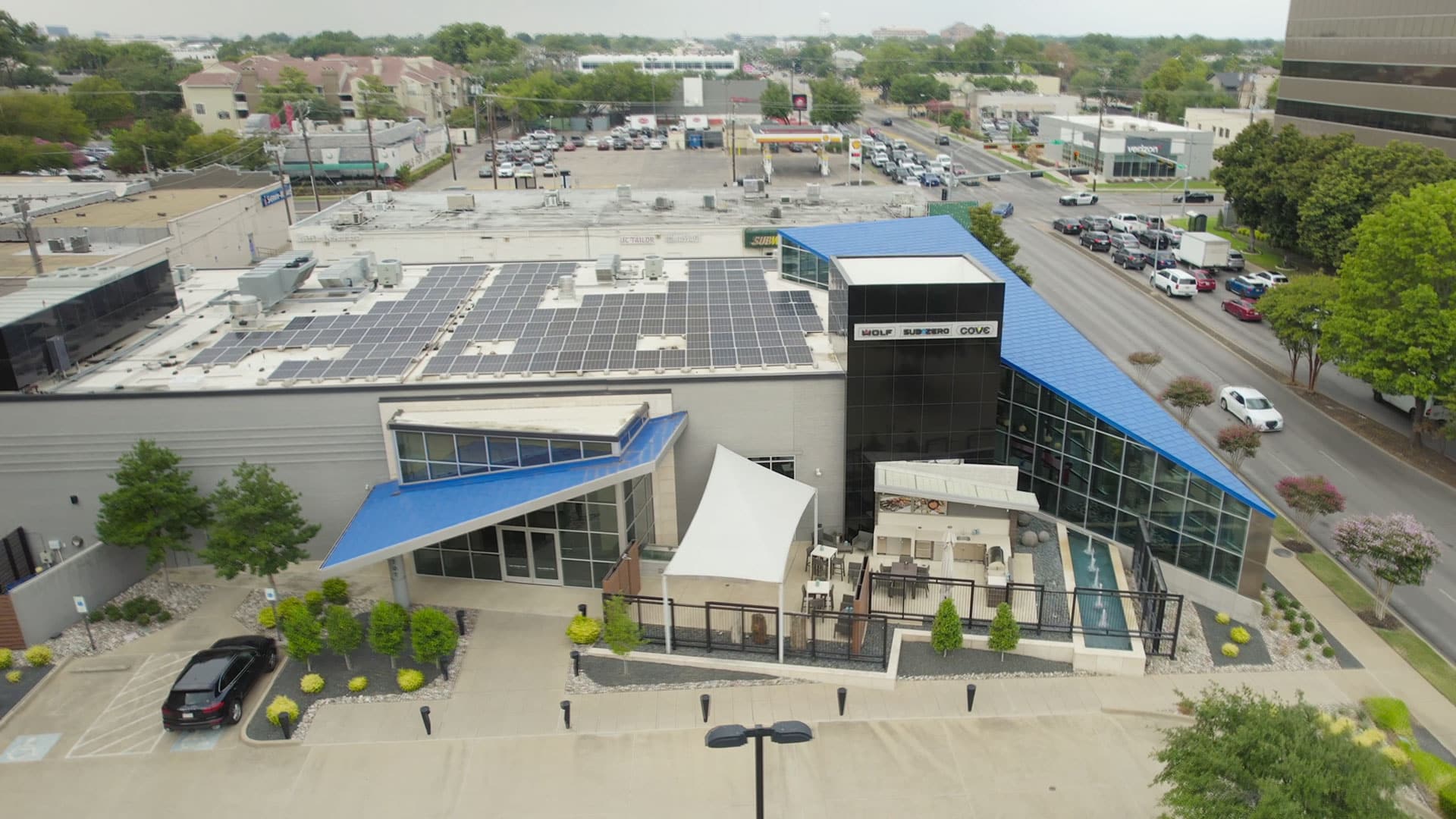
Powering Sustainability: NATiVE Solar’s Installation for Sub-Zero Powering Sustainability: NATiVE Solar’s Installation for Sub-Zero Powering Sustainability: NATiVE Solar’s Installation for Sub-Zero By NATiVE Solar|2023-10-17T08:58:08-06:00October 16th, 2023|Blog, Commercial Solar, Commercial Solar Panels, Solar| Read More 0