
Technical Specifications of the Shinnecock Hills Drive Project
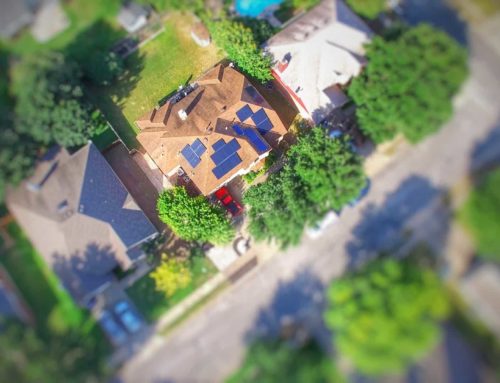
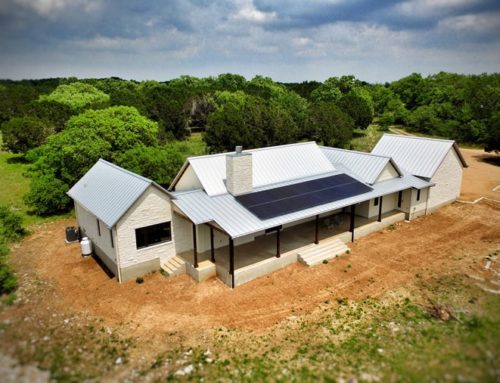
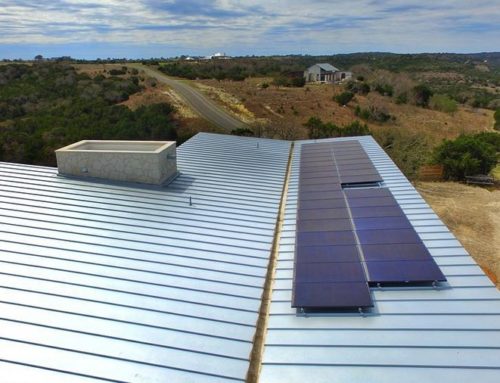
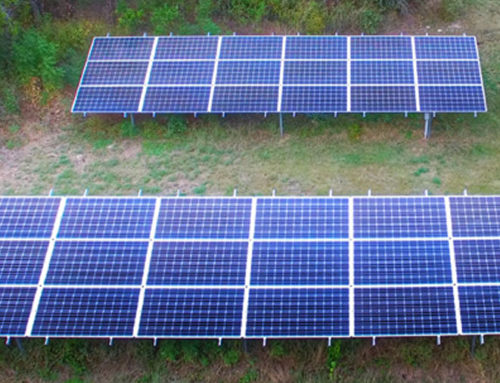
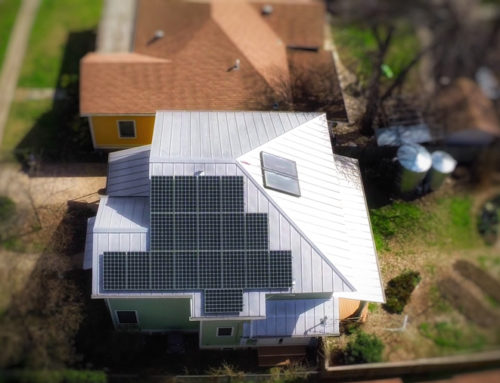
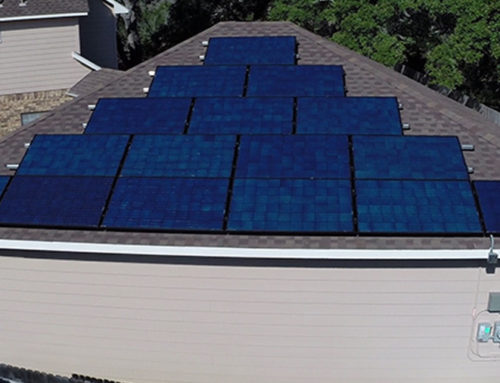
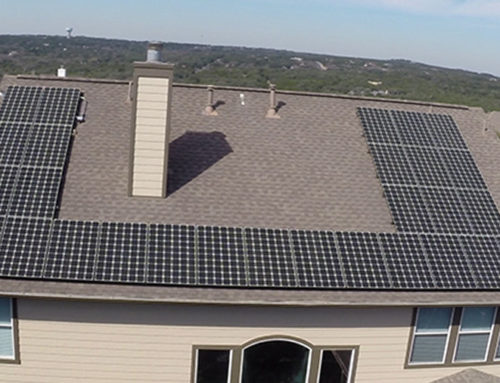
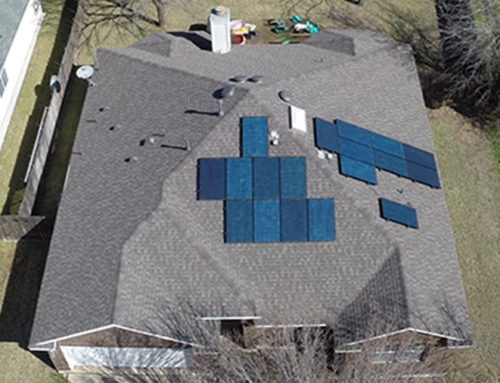
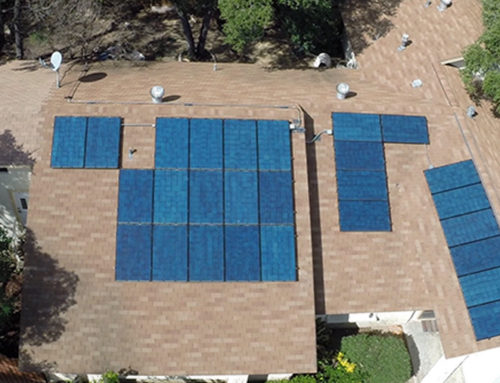
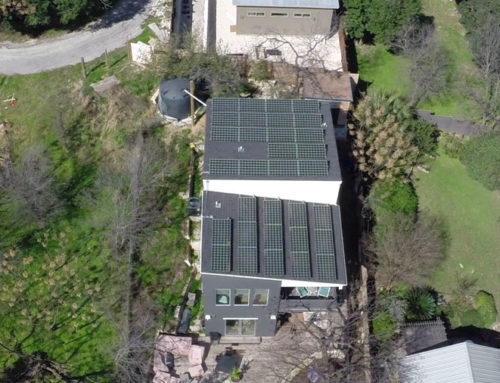
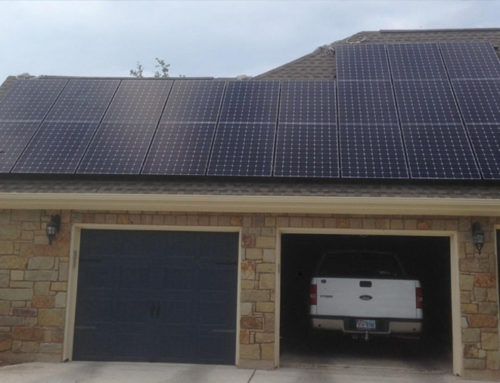
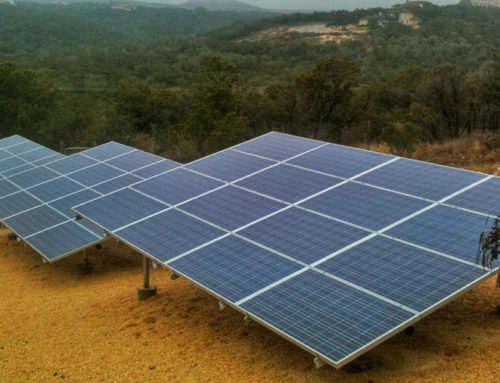
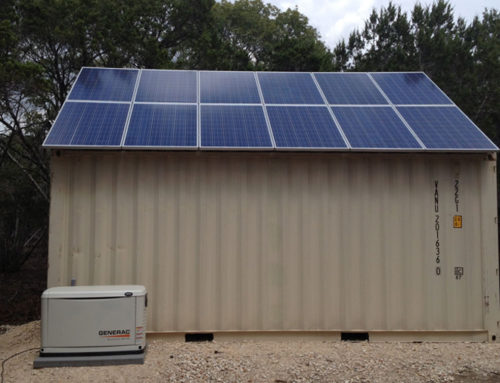
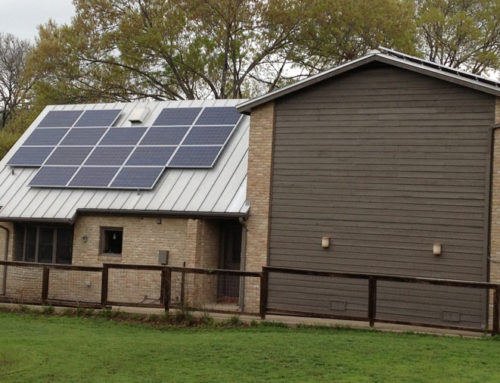
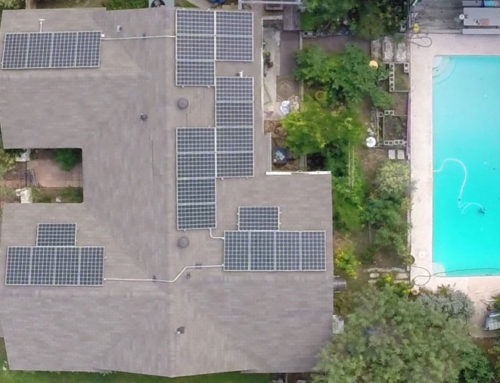
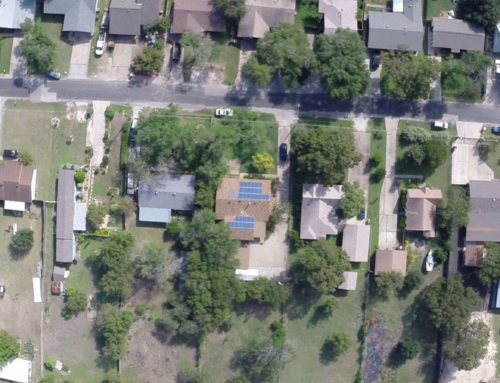
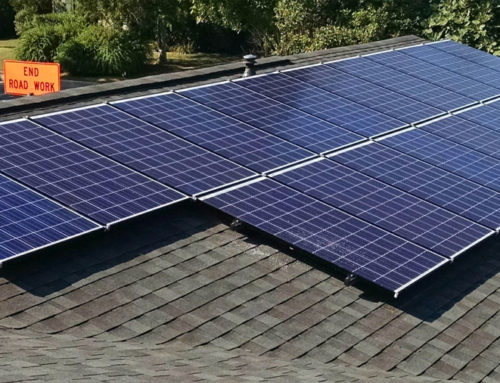
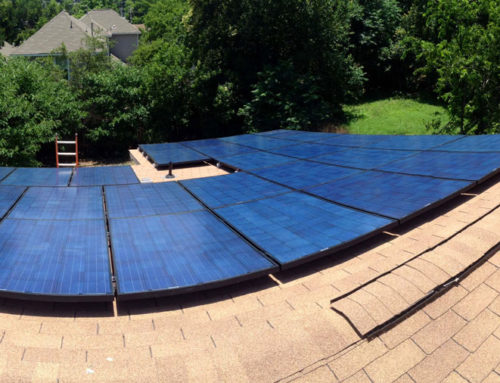
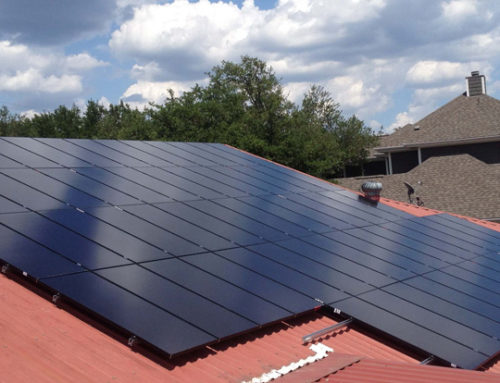
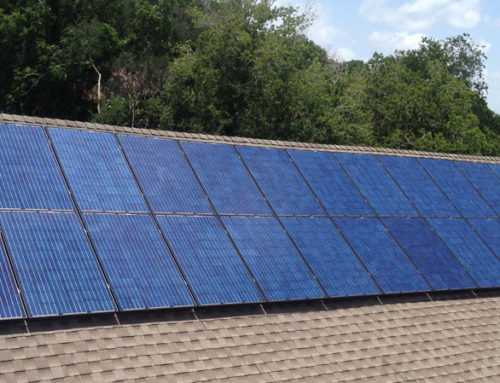
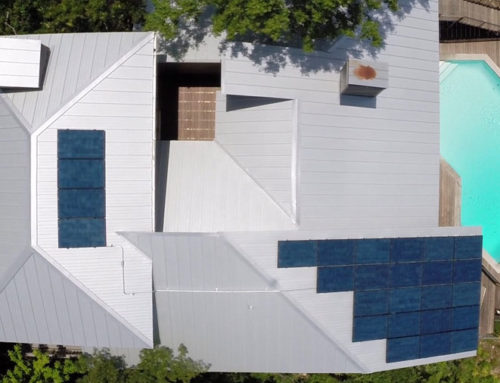
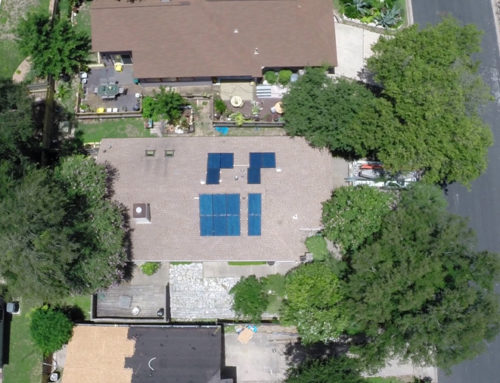
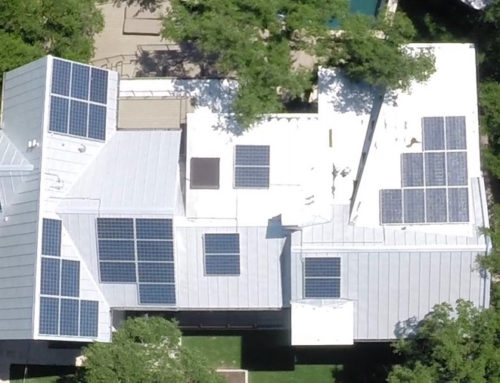
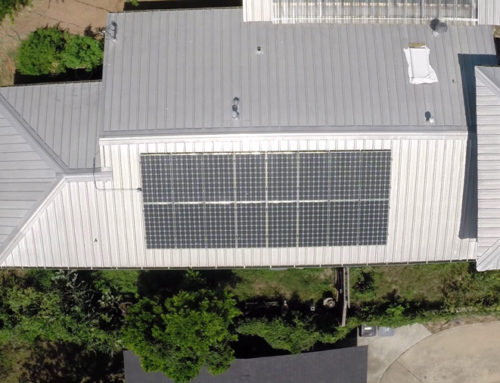
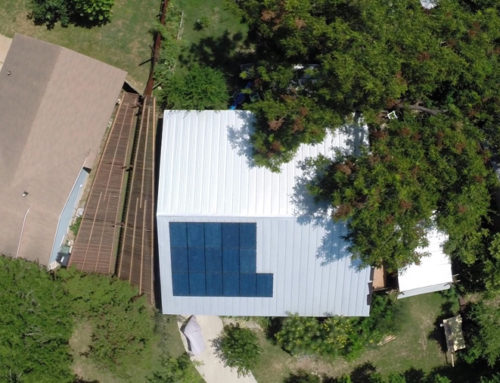
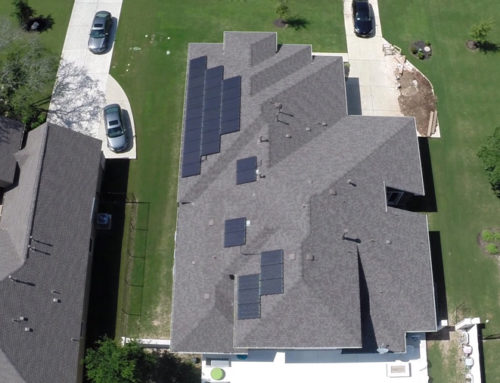
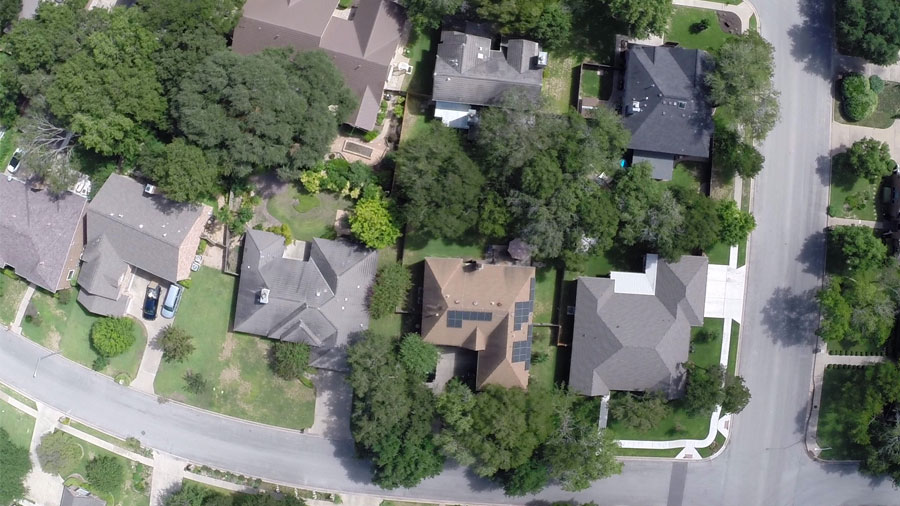
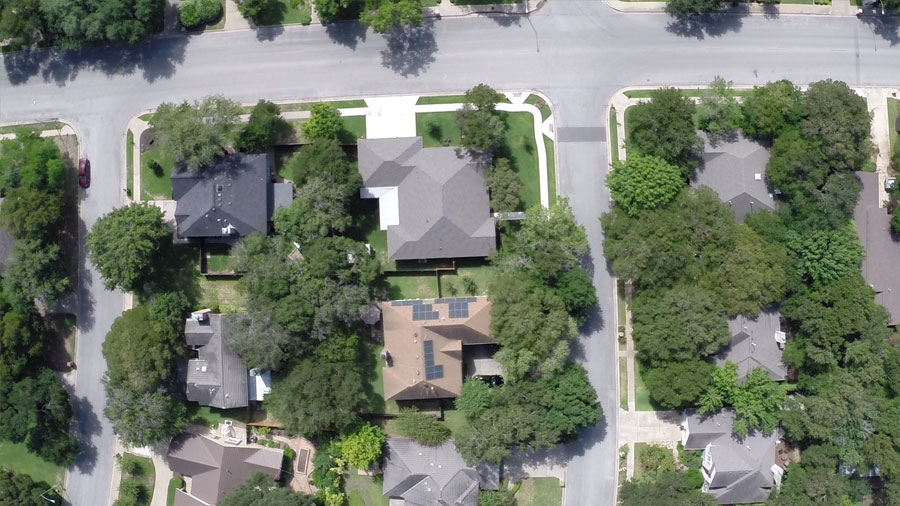
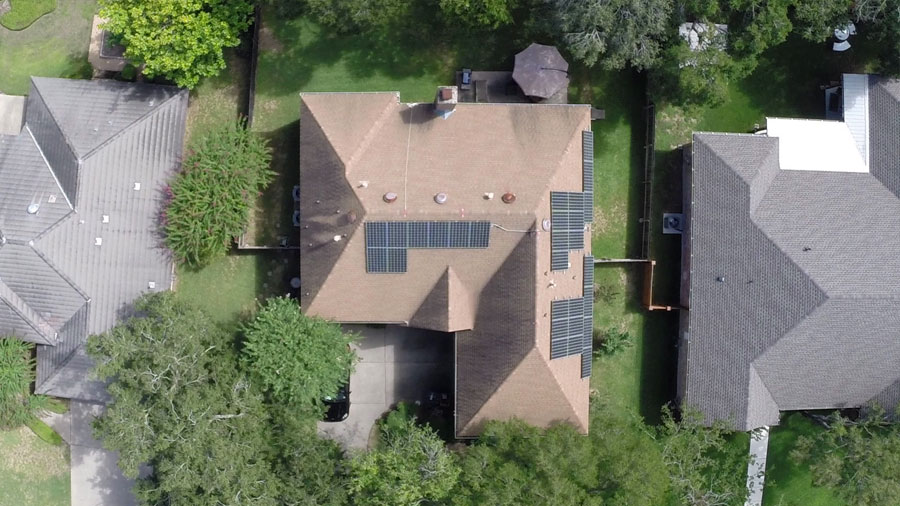
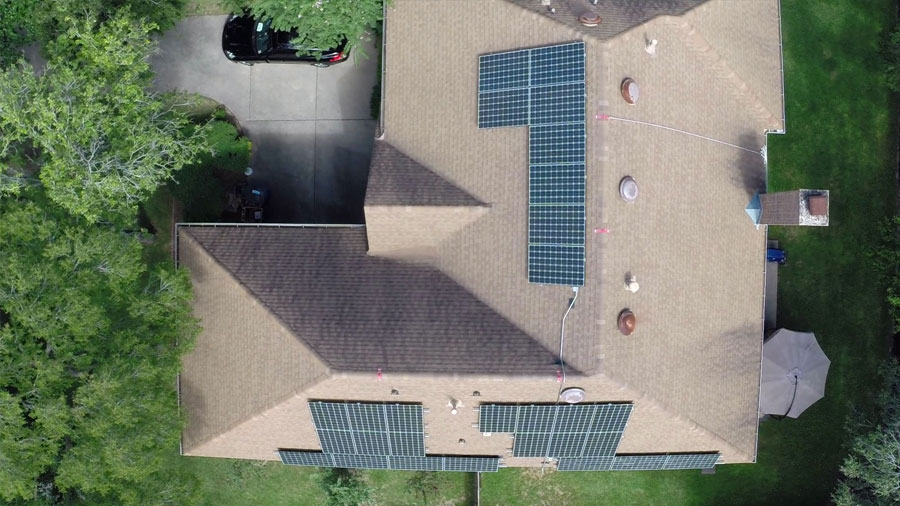
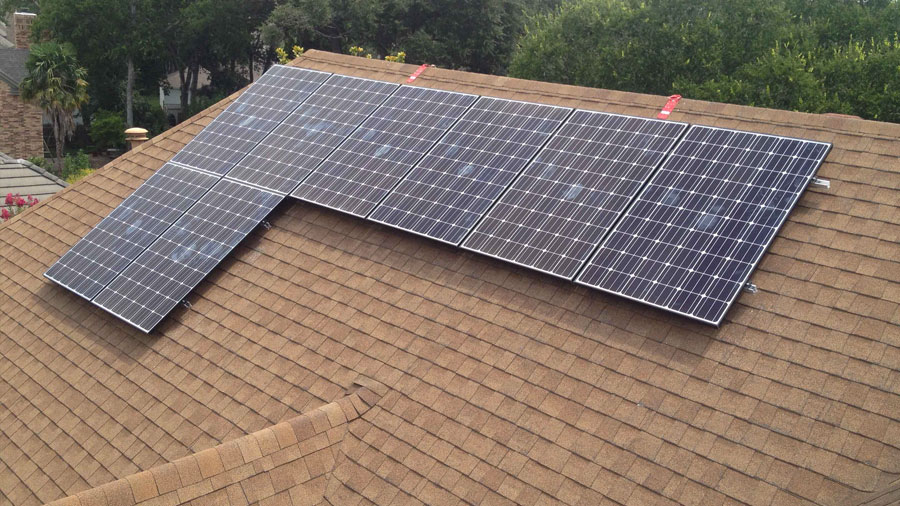
The Shinnecock Hills Drive solar project features a robust 7.56kW solar photovoltaic array designed to maximize energy efficiency. This system is composed of 28 high-performance LG solar modules, each engineered to capture sunlight effectively and convert it into usable electricity for residential consumption.
In addition to its impressive power output, the project includes advanced inverter technology that optimizes energy conversion and minimizes losses. This setup not only enhances the overall performance but also ensures reliability and longevity, making it a smart investment for homeowners seeking sustainable energy solutions.
Environmental Benefits of Solar Energy
Solar energy is renowned for its positive impact on the environment, significantly reducing carbon footprints and reliance on fossil fuels. The Shinnecock Hills Drive project contributes to cleaner air quality and promotes sustainability by harnessing renewable energy, which helps mitigate climate change.
Moreover, solar installations like this one can lead to reduced energy bills for homeowners while promoting energy independence. By investing in solar technology, residents support local ecosystems and contribute to a greener future for their communities.
Cost Savings and Return on Investment
Investing in the Shinnecock Hills Drive solar project not only provides clean energy but also offers substantial cost savings over time. Homeowners can expect a decrease in monthly electricity bills, which can lead to significant financial returns on their initial investment in solar technology.
Additionally, various federal and state incentives, such as tax credits and rebates, can further enhance the financial benefits of solar installations. This makes solar energy not just an environmentally friendly choice but also a financially sound one for homeowners in Austin and beyond.
Installation Process and Timeline
The installation of the Shinnecock Hills Drive solar photovoltaic system is designed to be efficient and minimally disruptive to homeowners. Typically, the installation process involves a thorough site assessment, followed by the design and engineering of the system tailored to the specific needs of the property.
Leave A Comment