Understanding Energy Storage Solutions for Solar Systems
Energy storage solutions are crucial for maximizing the efficiency of solar systems. These technologies allow excess energy generated during peak sunlight hours to be stored and used when sunlight is insufficient, thereby enhancing energy reliability and reducing dependence on the grid.
Various types of energy storage systems, such as lithium-ion batteries and flow batteries, are available in the market. Each type offers unique benefits, such as longer lifespan or faster charging times, making them suitable for different applications, from residential setups to large-scale commercial installations.
The Impact of Legislative Changes on Solar Energy Adoption
Legislative changes play a significant role in shaping the solar energy landscape. Policies regarding tax credits, incentives, and regulations can either facilitate or hinder the adoption of solar technologies, making it essential for stakeholders to stay informed about current and upcoming legislation.
For instance, recent bills in Texas have sparked debates about their potential impact on solar growth. Understanding these legislative dynamics helps property owners and businesses make informed decisions about investing in solar energy solutions.
Innovations in Solar Technology: What to Expect in the Coming Years
The solar industry is continually evolving, with innovations that promise to enhance efficiency and reduce costs. Emerging technologies such as bifacial solar panels and advanced photovoltaic materials are set to transform how solar energy is harnessed and utilized.
By keeping abreast of these innovations, consumers and businesses can better anticipate the future of solar energy. For example, the integration of artificial intelligence in solar management systems is expected to optimize energy consumption and improve system performance significantly.
Comparing Solar Energy Systems: Residential vs. Commercial Solutions
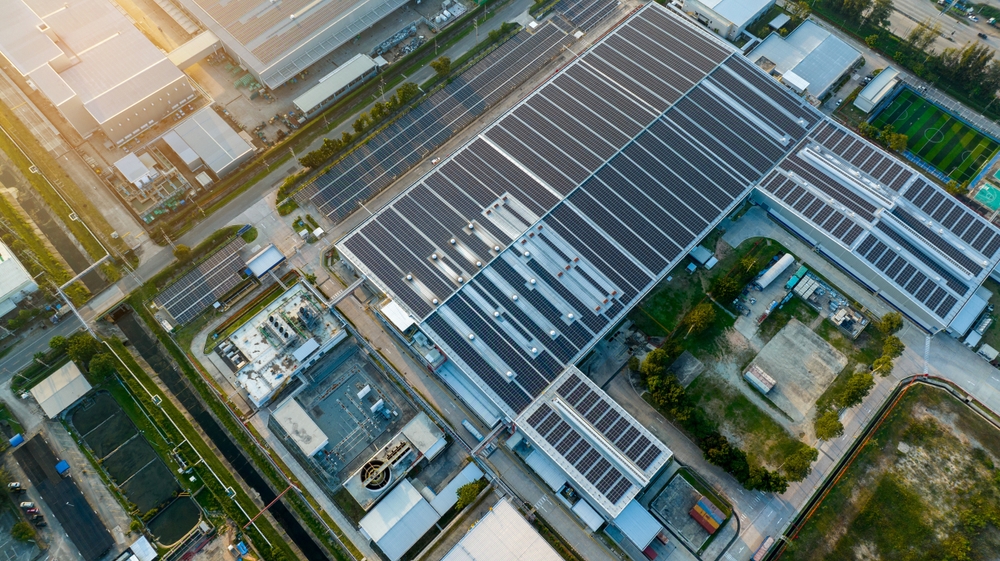
When considering solar energy systems, it is vital to understand the differences between residential and commercial solutions. Residential systems are typically smaller and designed to meet the energy needs of individual homes, while commercial systems are larger and tailored for businesses and industrial applications.
Commercial solar installations often benefit from economies of scale, leading to lower costs per watt. Additionally, businesses may have access to different financing options and incentives, making it essential to evaluate the specific needs and potential returns on investment for each type of system.