Why We Don’t Recommend Residential Wind Turbines Why We Don’t Recommend Residential Wind Turbines Why We Don’t Recommend Residential Wind Turbines By NATiVE Solar|2025-08-20T10:49:02-06:00August 7th, 2025|Energy Conservation, Green Building, Maintenance, Off-Grid, Permitting, Solar Industry, Technology, Texas Grid| Read More 0
Texas Commercial Solar in Motion – Solar Cinematics against a Big Texas Sky Texas Commercial Solar in Motion – Solar Cinematics against a Big Texas Sky Texas Commercial Solar in Motion – Solar Cinematics against a Big Texas Sky By NATiVE Solar|2025-07-10T14:16:18-06:00July 8th, 2025|Case Studies, Commercial Solar, Commercial Solar Panels, Green Building, job safety, Maintenance, Partners, Permitting, solar projects| Read More 0
Battery Storage Tech Update 2025: What’s Next? | NATiVE Solar Battery Storage Tech Update 2025: What’s Next? | NATiVE Solar Battery Storage Tech Update 2025: What’s Next? | NATiVE Solar By NATiVE Solar|2025-06-30T09:30:23-06:00June 26th, 2025|Batteries, Commercial Solar, Energy Efficiency, Energy Storage, Maintenance, Press, Residential Solar, Solar Industry, Technology| Read More 0
Sunnova’s Residential Exit: What It Means—and Why NATiVE Isn’t Going Anywhere Sunnova’s Residential Exit: What It Means—and Why NATiVE Isn’t Going Anywhere Sunnova’s Residential Exit: What It Means—and Why NATiVE Isn’t Going Anywhere By NATiVE Solar|2025-08-20T10:09:00-06:00June 12th, 2025|Batteries, Commercial Solar, Community Involvement, Green Building, Legal, Maintenance, Press, Regulatory, Residential Solar, Service, Solar Industry, Texas Grid, Texas jobs, Texas Solar Policy| Read More 0
AI and Solar? Yep. It’s Happening… AI and Solar? Yep. It’s Happening… AI and Solar? Yep. It’s Happening… By NATiVE Solar|2025-02-28T12:10:16-06:00February 13th, 2025|Batteries, Blog, Energy Efficiency, Energy Storage, Maintenance, Residential Solar, Service, Solar Industry, Technology, Texas Grid| Read More 0
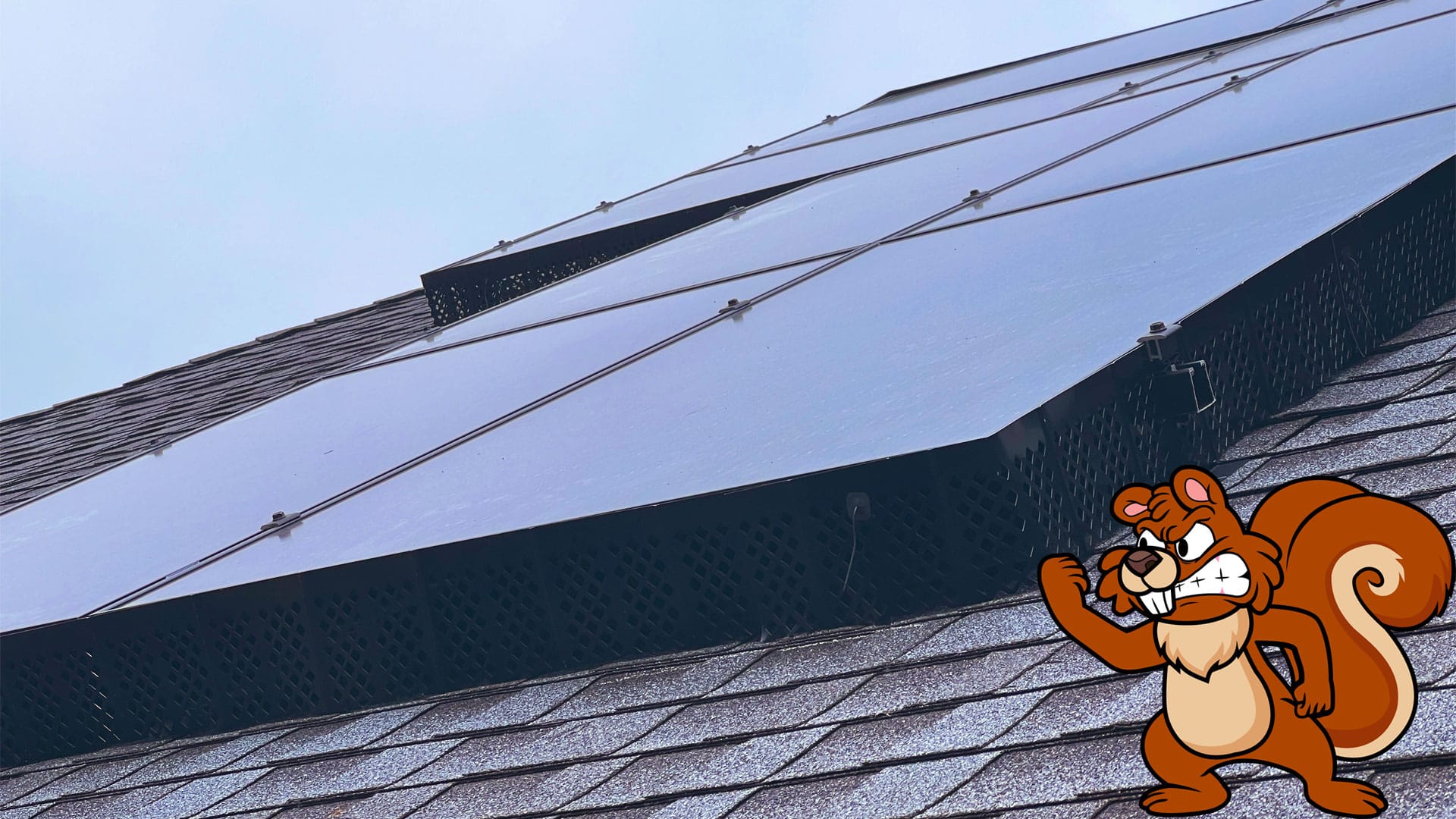
Pests and Solar Panels: The Importance of a Critter Guard Pests and Solar Panels: The Importance of a Critter Guard Pests and Solar Panels: The Importance of a Critter Guard By NATiVE Solar|2024-02-27T09:34:00-06:00February 27th, 2024|Blog, Maintenance, Service, Solar| Read More 0
Preparing Your Solar System for Fall Preparing Your Solar System for Fall Preparing Your Solar System for Fall By NATiVE Solar|2023-10-25T08:21:55-06:00October 25th, 2023|Blog, Maintenance, Solar| Read More 0
Solar Service and Maintenance Department Solar Service and Maintenance Department Solar Service and Maintenance Department By NATiVE Solar|2023-07-10T11:57:39-06:00July 10th, 2023|Blog, Maintenance, Service| Read More 0