By NATiVE Solar|2025-06-01T12:25:42-06:00April 17th, 2025|Back-up Power, Batteries, electric bill, Energy Efficiency, Energy Storage, EVs, Green Building, Permitting, Process, Residential Solar, Uncategorized|
By NATiVE Solar|2024-12-04T11:12:22-06:00December 4th, 2024|Blog, EVs, Solar, Solar Carports|
By NATiVE Solar|2023-11-13T08:17:01-06:00November 13th, 2023|Batteries, Blog, Energy Storage, EVs, Residential Solar, Solar|
By NATiVE Solar|2021-08-24T12:53:27-05:00August 24th, 2021|Blog, EVs|
By NATiVE Solar|2019-07-03T12:14:16-05:00July 3rd, 2019|Blog, Energy Efficiency, Energy Storage, EVs, Solar|
By NATiVE Solar|2019-04-08T15:23:33-05:00April 3rd, 2019|Blog, EVs, Solar|
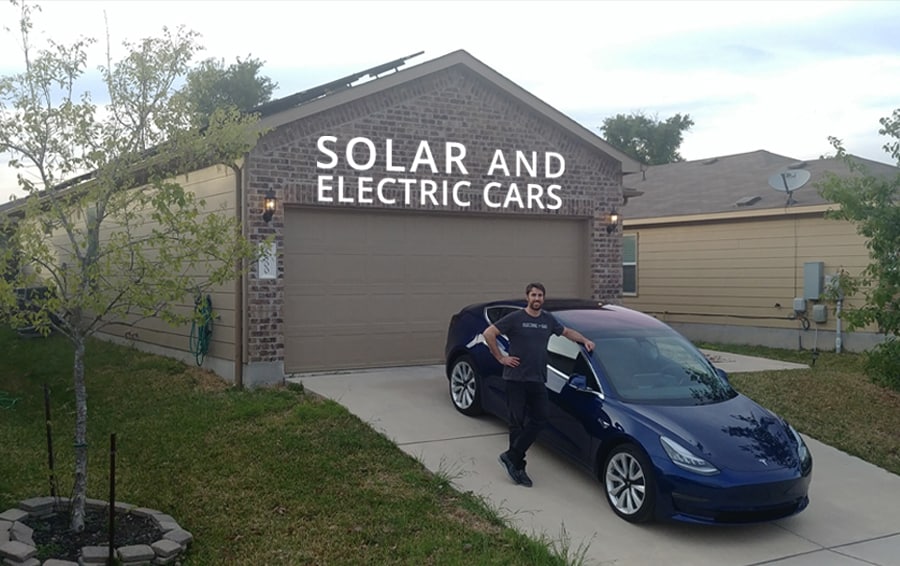
Integrating solar energy with electric vehicles (EVs) offers numerous benefits, including reduced energy costs and enhanced sustainability. By harnessing solar power, EV owners can charge their vehicles using renewable energy, significantly lowering their reliance on fossil fuels and decreasing their carbon footprint.
Additionally, solar energy systems can provide energy independence, allowing users to generate their own electricity. This integration not only supports the environment but can also lead to long-term savings on electricity bills. For instance, a typical solar panel system can offset the electricity costs associated with charging an EV, making it a financially sound investment.
Recent advancements in technology have led to innovative solutions for solar EV charging, making it more efficient and accessible. Smart charging stations equipped with solar panels allow users to charge their vehicles directly from the sun, optimizing energy use and reducing grid dependency.
Moreover, technologies such as vehicle-to-grid (V2G) systems enable EVs to return excess energy back to the grid, providing additional benefits to users and promoting a more resilient energy system. These innovations not only enhance the practicality of solar EV charging but also contribute to a sustainable energy future.
The combination of electric vehicles and solar energy has a profound positive impact on the environment. By reducing greenhouse gas emissions, this synergy helps combat climate change and promotes cleaner air quality. EVs produce zero tailpipe emissions, while solar energy generation does not emit pollutants, making them a powerful duo in the fight against environmental degradation.
Research indicates that transitioning to solar-powered electric vehicles can significantly lower overall carbon emissions. For example, a study found that using solar energy to power EVs can reduce lifecycle emissions by up to 70% compared to traditional gasoline vehicles, highlighting the importance of this integration for a sustainable future.
As technology continues to evolve, the future of solar energy and electric vehicles looks promising. Emerging trends include the development of more efficient solar panels and battery technologies, which will enhance the performance and affordability of both solar systems and EVs.
Additionally, the increasing adoption of smart grids and renewable energy policies is likely to accelerate the integration of solar power with electric vehicles. This trend will not only facilitate more widespread use of solar charging stations but also encourage innovations that make solar EV charging more convenient and efficient for consumers.