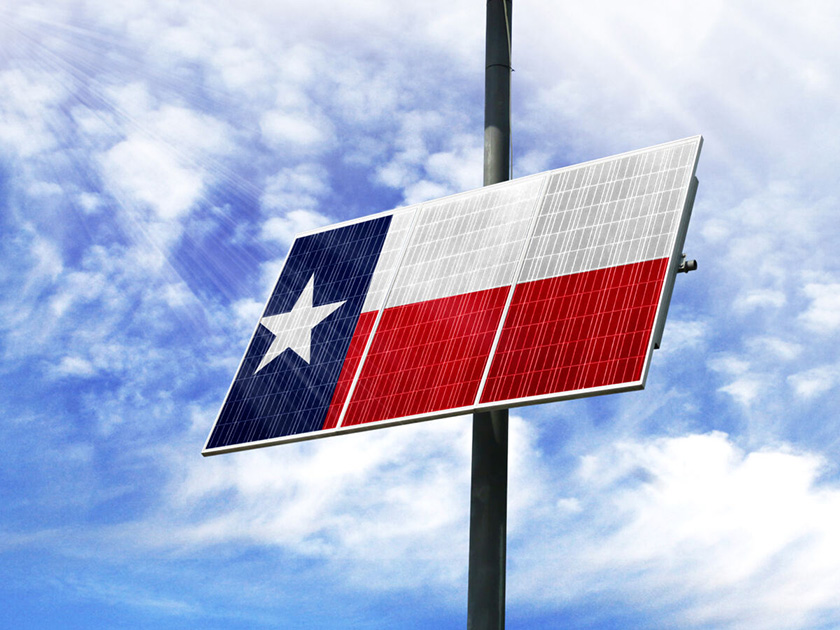
More Virtual Power Plants in Texas in ’26 -What That Means for Solar Property Owners More Virtual Power Plants in Texas in ’26 -What That Means for Solar Property Owners More Virtual Power Plants in Texas in ’26 -What That Means for Solar Property Owners By NATiVE Solar|2026-02-27T11:07:01-06:00February 16th, 2026|Blog, Community Involvement, electric bill, Energy Conservation, Energy Efficiency, Finance, News, Politics, Regulatory, Solar Industry, solar projects, Technology, Texas Grid, Texas Solar Policy| Read More 0
Texas Solar News Digest for Feb 2026 Texas Solar News Digest for Feb 2026 Texas Solar News Digest for Feb 2026 By NATiVE Solar|2026-02-27T11:16:44-06:00February 5th, 2026|Blog, Community Involvement, electric bill, Energy Conservation, Energy Efficiency, Finance, News, Politics, Regulatory, Solar Careers, Solar Industry, solar projects, Technology, Texas Grid, Texas Solar Policy| Read More 0
This Week’s Solar and Renewable Energy News from Around Texas This Week’s Solar and Renewable Energy News from Around Texas This Week’s Solar and Renewable Energy News from Around Texas By NATiVE Solar|2025-10-30T11:21:46-06:00October 30th, 2025|Agrivoltaics, climate change, Commercial Solar Panels, Community Involvement, electric bill, Energy Storage, News, Regulatory, Solar Industry, solar projects, Texas Grid, Texas Solar Policy| Read More 0
Solar Incentives Are Very Possibly Changing -What Texas Property Owners Need to Know Solar Incentives Are Very Possibly Changing -What Texas Property Owners Need to Know Solar Incentives Are Very Possibly Changing -What Texas Property Owners Need to Know By NATiVE Solar|2025-06-30T09:28:17-06:00June 26th, 2025|Commercial Solar, Community Involvement, Legal, News, Politics, Residential Solar, Solar Industry, solar projects, Tax Credits, Texas Grid| Read More 0
Sunnova’s Residential Exit: What It Means—and Why NATiVE Isn’t Going Anywhere Sunnova’s Residential Exit: What It Means—and Why NATiVE Isn’t Going Anywhere Sunnova’s Residential Exit: What It Means—and Why NATiVE Isn’t Going Anywhere By NATiVE Solar|2025-08-20T10:09:00-06:00June 12th, 2025|Batteries, Commercial Solar, Community Involvement, Green Building, Legal, Maintenance, Press, Regulatory, Residential Solar, Service, Solar Industry, Texas Grid, Texas jobs, Texas Solar Policy| Read More 0
JP Morgan Chase Solar Grant Program JP Morgan Chase Solar Grant Program JP Morgan Chase Solar Grant Program By NATiVE Solar|2023-12-08T08:32:36-06:00November 15th, 2022|Blog, Community Involvement, Residential Solar, Solar Grants| Read More 0
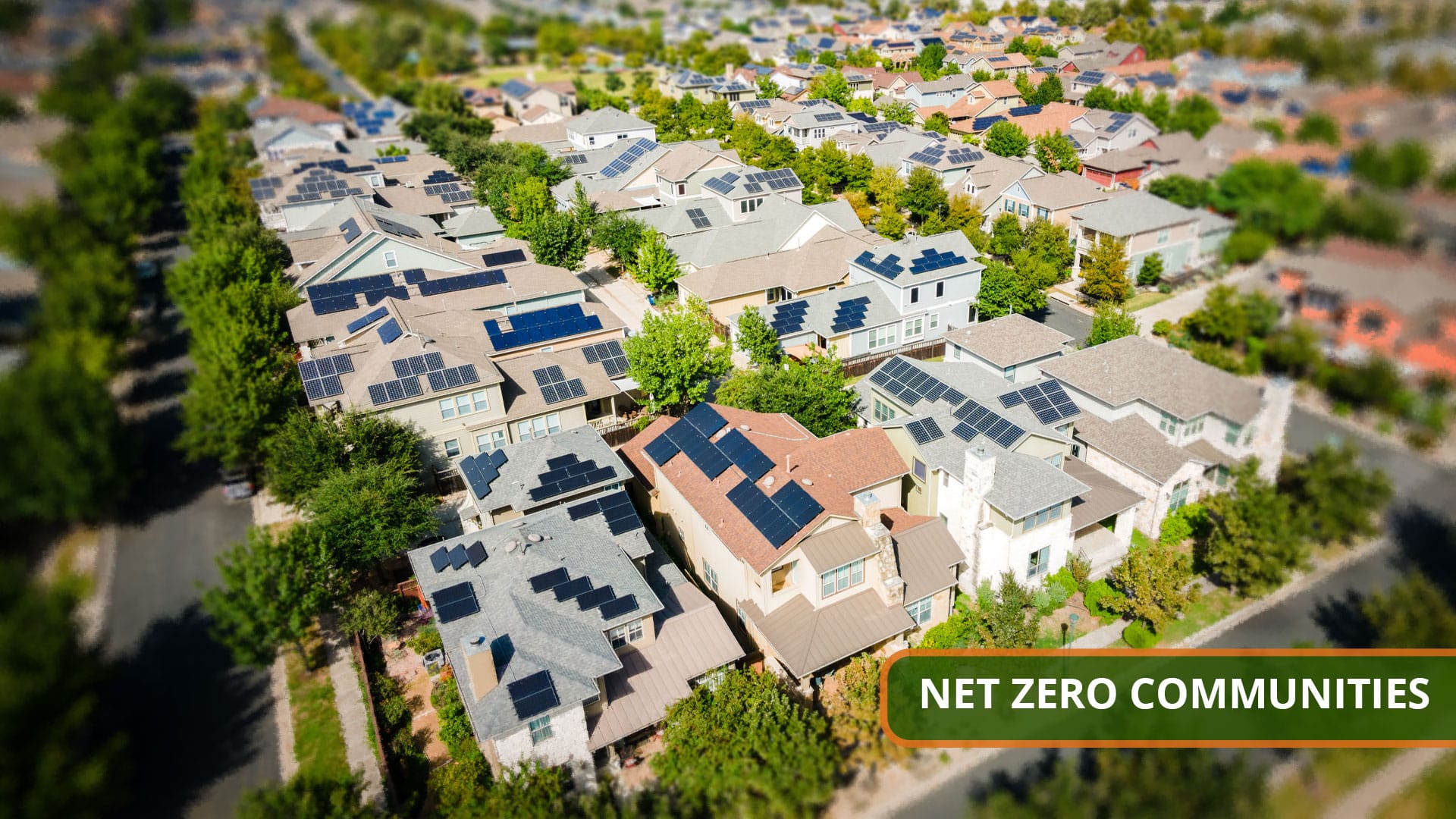
Net Zero Communities Net Zero Communities Net Zero Communities By NATiVE Solar|2022-08-01T14:13:47-05:00August 1st, 2022|Batteries, Blog, Community Involvement, Energy Efficiency, Residential Solar, Solar| Read More 0
Career & Technical Education Career & Technical Education Career & Technical Education By NATiVE Solar|2022-07-25T09:45:40-05:00July 13th, 2022|Blog, Community Involvement, Solar, Solar Careers, Solar Training| Read More 0
Our Culture of Equality Our Culture of Equality Our Culture of Equality By NATiVE Solar|2022-06-29T07:44:25-05:00March 1st, 2022|Blog, Community Involvement| Read More 12
Diversity and Inclusion in the Solar Workforce Diversity and Inclusion in the Solar Workforce Diversity and Inclusion in the Solar Workforce By NATiVE Solar|2024-02-06T14:14:51-06:00February 8th, 2022|Blog, Community Involvement, Solar| Read More 1