By NATiVE Solar|2021-08-24T12:53:27-05:00August 24th, 2021|Blog, EVs|
Solar energy infrastructure encompasses the systems and technologies that facilitate the generation, storage, and distribution of solar power. This includes solar panels, inverters, battery storage systems, and the grid connections that allow solar energy to be integrated into existing electrical networks.
As solar energy adoption increases, understanding the infrastructure that supports it becomes crucial. For instance, advancements in solar panel technology have led to higher efficiency rates, while improvements in energy storage solutions, like lithium-ion batteries, allow for better management of energy supply and demand. This infrastructure is essential for maximizing the benefits of solar energy in both residential and commercial applications.
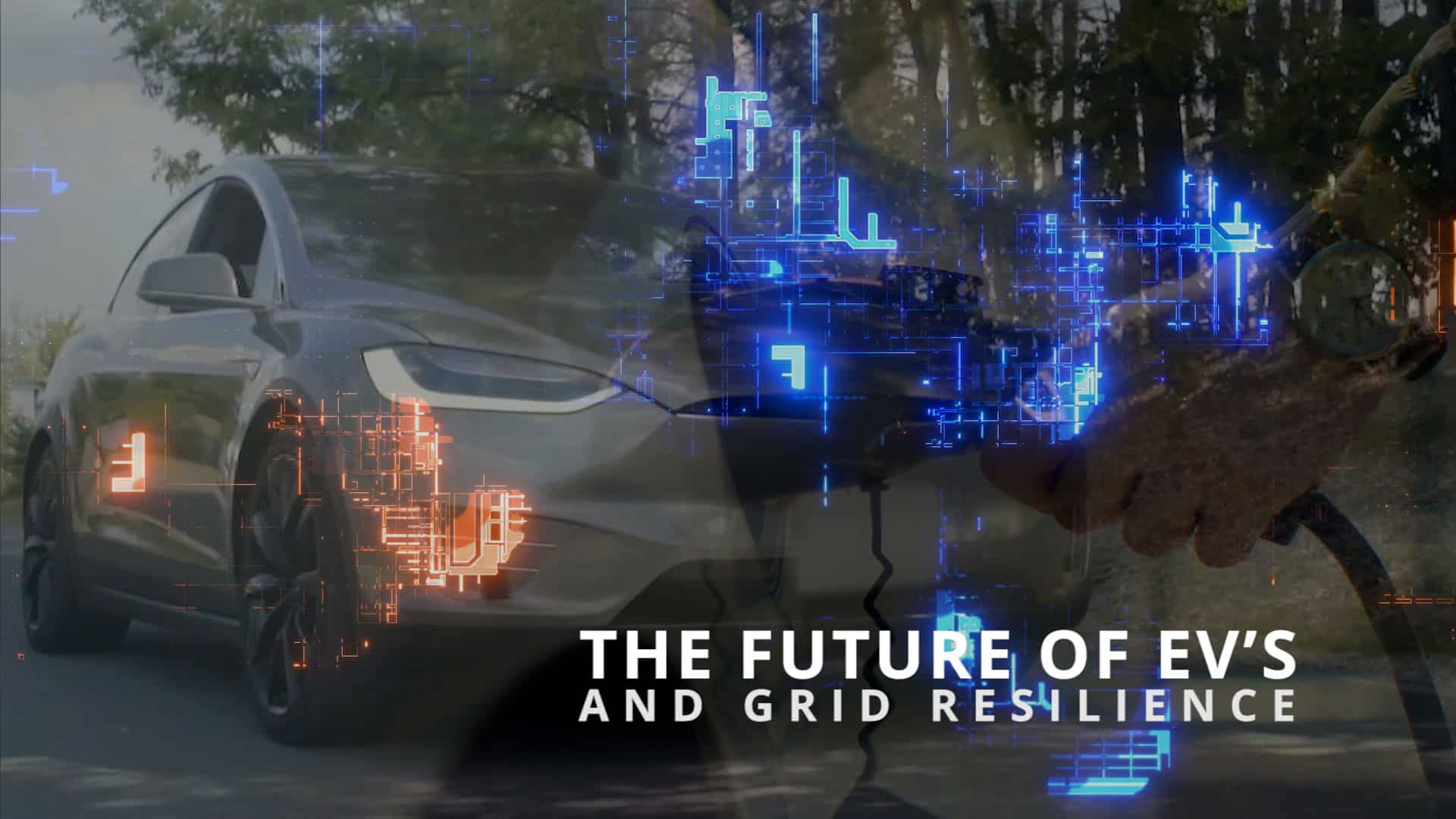
Electric vehicles (EVs) play a significant role in the broader adoption of solar energy, as they create a symbiotic relationship between renewable energy and transportation. By charging EVs with solar power, consumers can reduce their carbon footprint and reliance on fossil fuels, leading to cleaner air and a more sustainable future.
For example, many EV owners are installing solar panels at home to charge their vehicles directly from the sun. This not only saves on energy costs but also promotes energy independence. Furthermore, as EV technology continues to evolve, the integration of solar energy into charging infrastructure will become increasingly important, paving the way for smart grids and enhanced energy management systems.
Grid resilience refers to the ability of the electrical grid to withstand and recover from disruptions, such as natural disasters or sudden spikes in energy demand. Solar infrastructure contributes to this resilience by diversifying energy sources and reducing dependence on centralized power plants.
By incorporating solar energy into the grid, utilities can create a more robust system that can adapt to fluctuations in supply and demand. For instance, during peak usage times, solar energy can help alleviate stress on the grid, while energy storage solutions can provide backup power during outages. This decentralized approach not only enhances reliability but also encourages the development of local energy economies.
The future of solar energy and electric vehicles is poised for significant growth, driven by technological advancements and policy changes aimed at reducing carbon emissions. Innovations such as vehicle-to-grid (V2G) technology are emerging, allowing EVs to return stored energy back to the grid during peak demand periods.
Moreover, as governments worldwide implement stricter emissions regulations, the synergy between solar energy and EVs will become increasingly vital. This trend is expected to lead to more comprehensive infrastructure development, including solar-powered charging stations and smart grid solutions that optimize energy distribution. The integration of these technologies will not only enhance efficiency but also support the transition to a sustainable energy future.