By NATiVE Solar|2023-12-08T08:35:47-06:00January 31st, 2022|Blog, Solar|
The choice of roofing material plays a crucial role in the overall efficiency of solar energy systems. Different materials have varying thermal properties, which can affect how much energy is generated by solar panels. For instance, reflective materials can help in reducing heat absorption, thereby improving the performance of solar panels installed on them.
Moreover, certain roofing materials are more durable and can withstand the added weight and installation of solar panels. For example, metal roofs are often recommended due to their longevity and ability to handle solar installations without requiring additional structural support. This consideration is vital for homeowners looking to maximize their investment in solar energy.
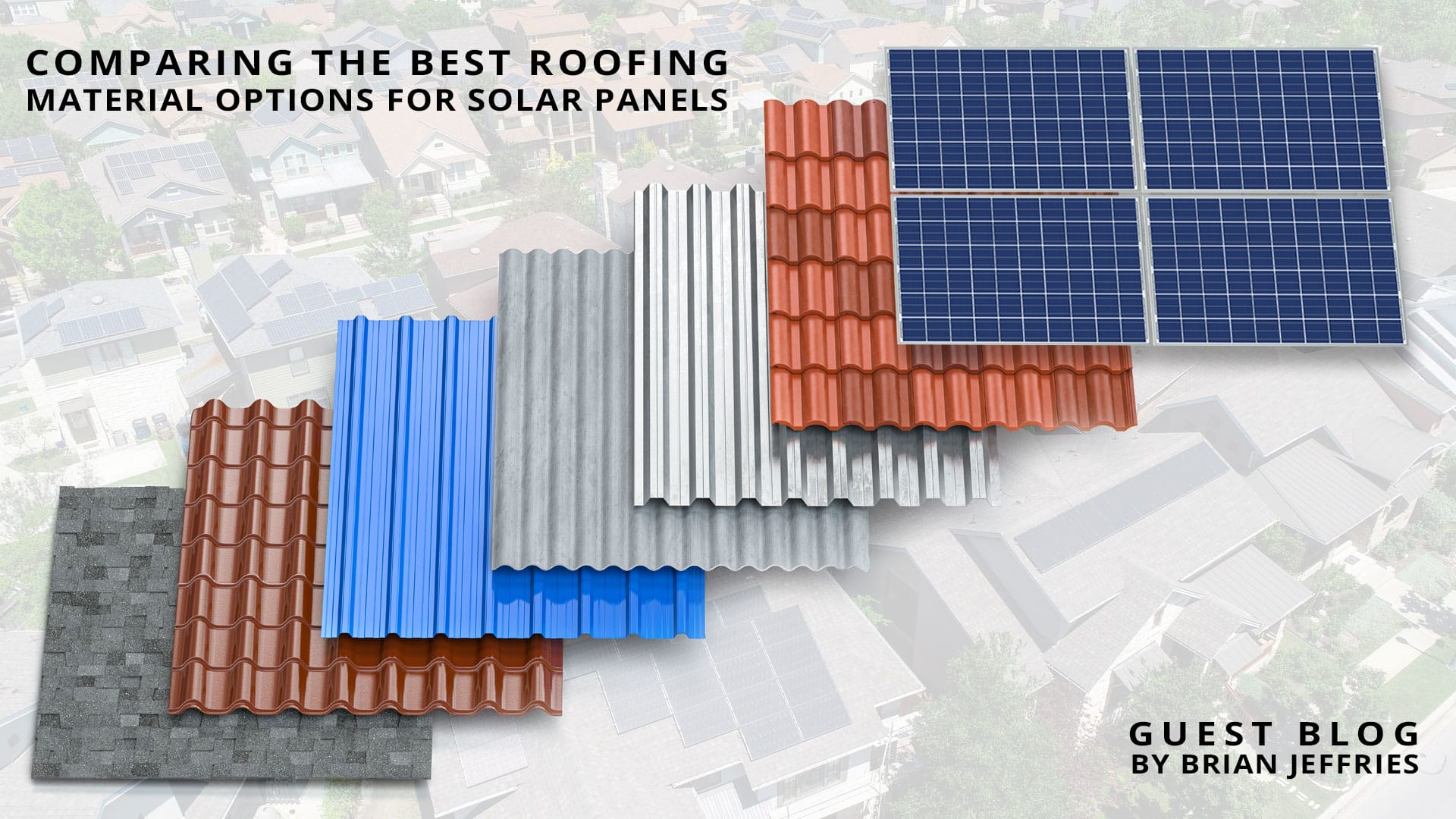
When it comes to solar panel installation, some roofing materials are particularly well-suited for this purpose. Asphalt shingles, metal roofing, and tile roofs are among the top choices. Each material has its own advantages and challenges, making it essential for homeowners to consider their specific needs and local climate conditions.
For instance, metal roofs are favored for their durability and energy efficiency, while asphalt shingles are more affordable and easier to install. Tile roofs, on the other hand, offer a unique aesthetic appeal but may require additional reinforcement. Understanding these options helps homeowners make informed decisions that align with their solar energy goals.
Choosing the right roof for solar panels involves several critical factors. Homeowners should assess the roof's age, slope, and orientation, as these elements directly impact solar panel performance. A roof that is too old may need replacement before installation, while a steep slope can enhance solar exposure.
Additionally, the roof's orientation towards the sun is vital for optimizing energy capture throughout the day. South-facing roofs typically receive the most sunlight, making them ideal for solar installations. Homeowners should also consider local building codes and regulations that may influence their roofing choices for solar panel installations.
Proper maintenance of solar panels is essential to ensure their longevity and efficiency, and this can vary depending on the roofing type. For instance, solar panels installed on metal roofs may require less maintenance due to the durability of the material, while those on tile roofs may need more frequent inspections to check for debris accumulation.
Regular cleaning and inspections are crucial regardless of the roofing type. Homeowners should develop a maintenance schedule that includes checking for any signs of wear and tear on both the roof and the solar panels. This proactive approach can prevent costly repairs and ensure optimal energy production throughout the year.