

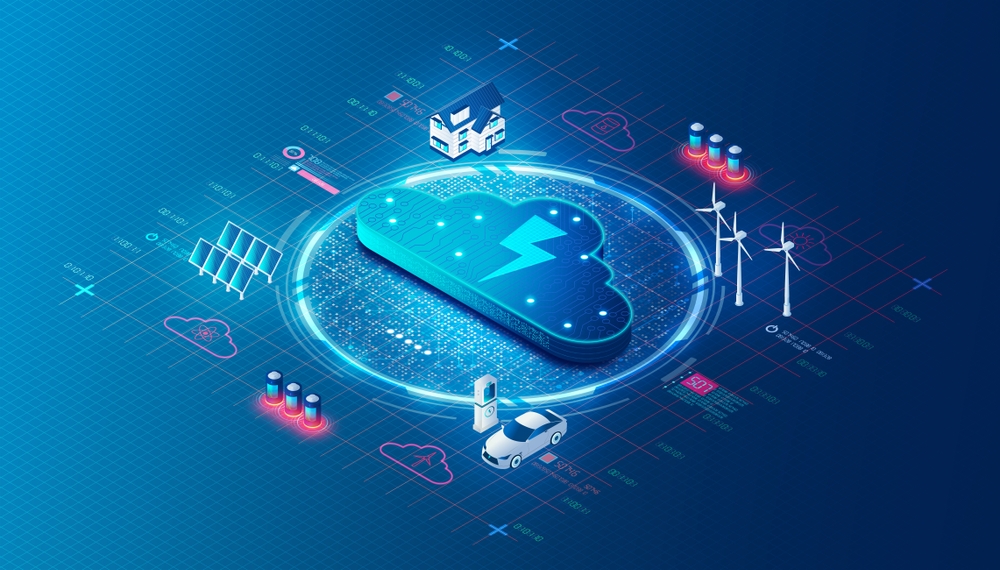
 How Batteries Helped Stabilize the Texas Grid During the January Cold Snap
By Adam Glick, Solar Sherpa, NATiVE Solar
When a winter cold front swept across Texas this January, and many of us braced for the worst.
Memories of the 2021 Winter Storm Uri are still fresh across the state. Texans remember frozen pipes, multi-day outages, and a grid pushed to the brink.
But this time the grid (mostly) held fast.
Temperatures dropped sharply across large parts of Texas, electricity demand surged, and energy markets tightened — yet most Texans never lost power.
There were several reasons the grid held together.
More generation capacity.
Improved weatherization.
Better grid planning.
But one factor that often goes unnoticed played a growing role:
battery storage.
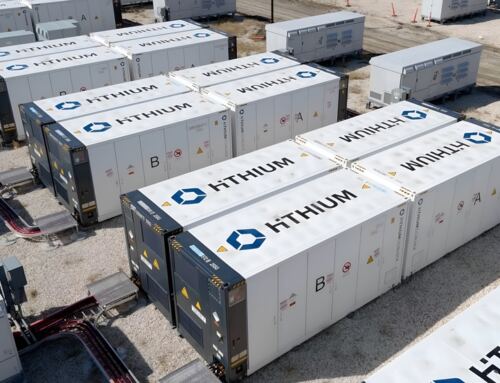
Across the ERCOT grid, battery systems discharged electricity during key moments when demand spiked. These systems responded quickly, helping stabilize supply and demand when the grid needed support.
Individually, each battery installation is relatively small.
Collectively, they are becoming an important part of Texas grid infrastructure.
A Quiet Expansion of Battery Storage
Battery storage has been expanding rapidly across Texas in recent years.
Large grid-scale battery projects have been deployed across the ERCOT market, capable of responding within seconds when electricity demand spikes or generation suddenly drops.
Unlike traditional power plants, batteries can ramp up instantly — making them particularly useful during short periods of grid stress.
During cold weather events, that rapid response can help prevent frequency drops and stabilize the system.
In other words, batteries act as a shock absorber for the grid.
The Next Step: Distributed Batteries
Most battery systems today are large utility-scale installations.
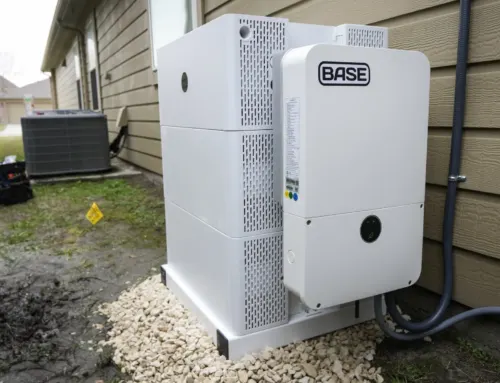
But a growing number are appearing in homes and businesses.
Residential backup batteries.
Commercial energy storage systems.
Solar-plus-storage installations.
When coordinated together through software, these distributed systems can operate as part of a network known as a Virtual Power Plant (VPP).
If you’d like a deeper look at how these systems work, you can read our full explanation here:
→ How Virtual Power Plants Work in Texas
For this discussion, the key takeaway is simple:
Thousands of small batteries — spread across homes and businesses — can collectively provide meaningful support to the grid.
Batteries Are Becoming Part of the Grid
For many homeowners, batteries are installed primarily for backup power.
That motivation has grown significantly since the 2021 freeze.
But batteries can now serve a second role.
They can also support the broader energy system.
During periods of peak demand, distributed batteries can discharge power back into the grid or reduce the load a building places on the system.
This helps smooth out the sharp spikes in electricity demand that often occur during extreme weather.
And as more batteries are installed across Texas, their collective impact continues to grow.
Texas Is Entering a Distributed Energy Era
Texas already leads the nation in wind power and is rapidly expanding solar generation.
Battery storage is becoming the next layer of this transformation.
Instead of relying entirely on large centralized power plants, the grid is gradually incorporating thousands of smaller energy systems distributed across the state.
Homes and businesses are no longer just consumers of electricity.
Increasingly, they are becoming part of the infrastructure that keeps the grid stable.
And the January cold snap offered a glimpse of how that future might work.




Leave A Comment