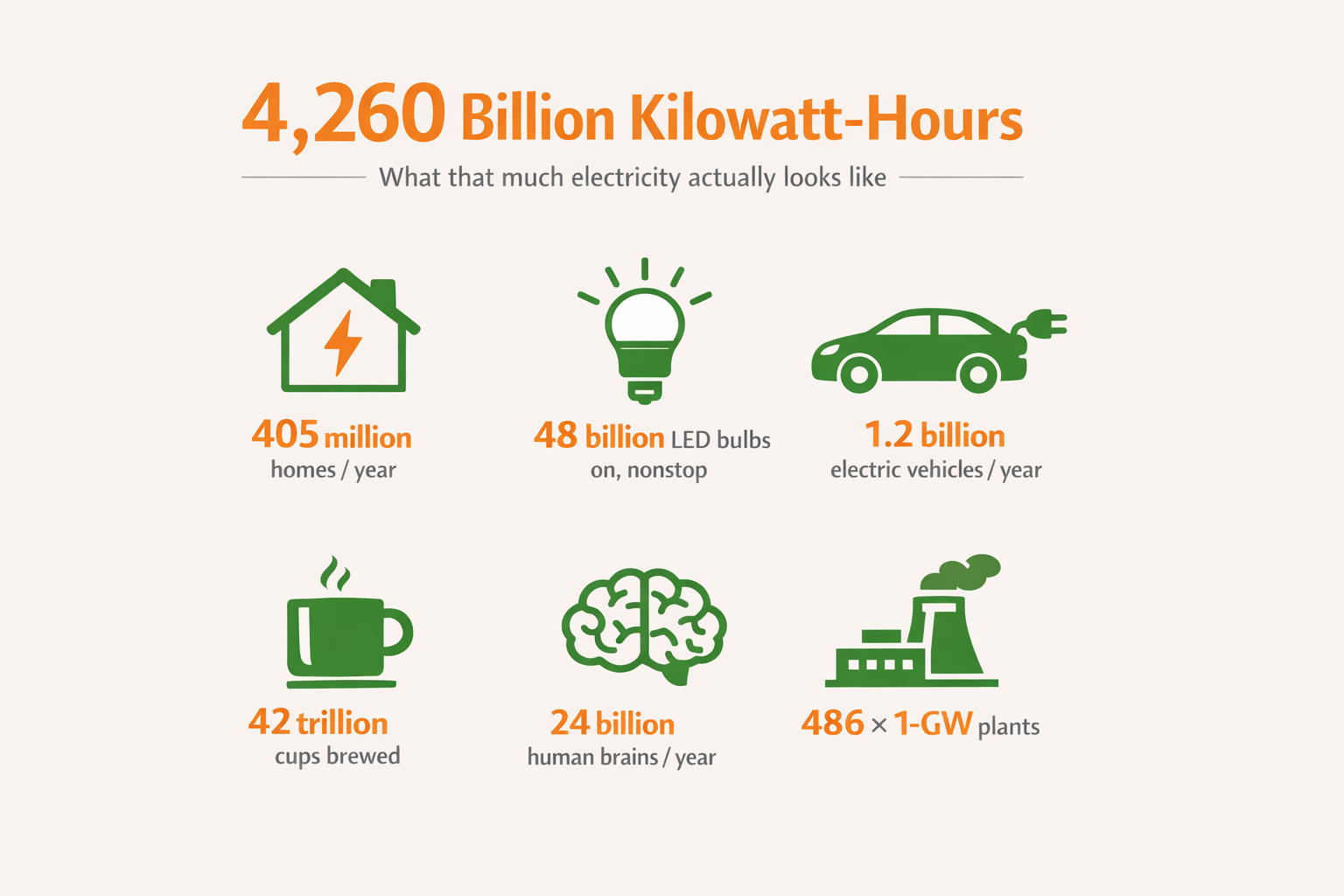
Here’s How Much Power We Generate and Consume in the U.S.Here’s How Much Power We Generate and Consume in the U.S. Here’s How Much Power We Generate and Consume in the U.S.By NATiVE Solar|2026-01-22T13:18:24-06:00January 22nd, 2026|Blog, Energy Conservation, Energy Efficiency, News, Solar Industry, solar projects, Technology, Texas Grid, Uncategorized|Read More 0
Heads Up: 30% Solar Tax Credit Sunset Threat -Residential Solar Installation Timelines Could SoarHeads Up: 30% Solar Tax Credit Sunset Threat -Residential Solar Installation Timelines Could Soar Heads Up: 30% Solar Tax Credit Sunset Threat -Residential Solar Installation Timelines Could SoarBy NATiVE Solar|2025-05-27T11:35:52-06:00May 27th, 2025|Legal, News, Permitting, Politics, Regulatory, Solar Industry, solar projects, Tax Credits, Texas Grid, Texas Solar Policy, Uncategorized|Read More 0
Smart Energy Harvesting and Storage Solutions for Custom-Built ResidencesSmart Energy Harvesting and Storage Solutions for Custom-Built Residences Smart Energy Harvesting and Storage Solutions for Custom-Built ResidencesBy NATiVE Solar|2025-06-01T12:25:42-06:00April 17th, 2025|Back-up Power, Batteries, electric bill, Energy Efficiency, Energy Storage, EVs, Green Building, Permitting, Process, Residential Solar, Uncategorized|Read More 0
Why Fall is the Perfect Time for Texans to Go SolarWhy Fall is the Perfect Time for Texans to Go Solar Why Fall is the Perfect Time for Texans to Go SolarBy NATiVE Solar|2024-09-24T06:57:03-06:00September 24th, 2024|Uncategorized|Read More 0
Climate Change and the Increasing Future Value of SolarClimate Change and the Increasing Future Value of Solar Climate Change and the Increasing Future Value of SolarBy NATiVE Solar|2024-08-27T08:17:40-06:00August 27th, 2024|Uncategorized|Read More 0
Determining Your Home’s Solar CapacityDetermining Your Home’s Solar Capacity Determining Your Home’s Solar CapacityBy NATiVE Solar|2023-04-17T15:59:24-06:00April 17th, 2023|Blog, Residential Solar, Solar, Uncategorized|Read More 0
Now Hiring Journeyman ElectricianNow Hiring Journeyman Electrician Now Hiring Journeyman ElectricianBy NATiVE Solar|2021-04-22T10:46:18-05:00October 16th, 2019|Uncategorized|Read More 0
Solar Power Is Growing Way Faster Than PredictedSolar Power Is Growing Way Faster Than Predicted Solar Power Is Growing Way Faster Than PredictedBy NATiVE Solar|2019-01-14T20:27:04-06:00October 17th, 2018|Uncategorized|Read More 0