By NATiVE Solar|2026-01-22T13:18:24-06:00January 22nd, 2026|Blog, Energy Conservation, Energy Efficiency, News, Solar Industry, solar projects, Technology, Texas Grid, Uncategorized|
By NATiVE Solar|2026-01-08T14:02:10-06:00January 8th, 2026|Back-up Power, Batteries, Commercial Solar Panels, electric bill, Energy Storage, News, Solar Industry, solar projects, Technology, Texas Grid|
By NATiVE Solar|2026-01-08T12:14:03-06:00January 1st, 2026|Back-up Power, Batteries, Commercial Solar Panels, electric bill, Energy Storage, News, Solar Industry, solar projects, Technology, Texas Grid|
By NATiVE Solar|2025-12-04T15:09:25-06:00December 4th, 2025|Back-up Power, Batteries, Commercial Solar Panels, electric bill, Energy Storage, News, Solar Industry, solar projects, Technology, Texas Grid|
By NATiVE Solar|2025-10-30T11:20:49-06:00October 30th, 2025|electric bill, Regulatory, Solar Industry, solar projects, Texas Grid, Texas Solar Policy|

By NATiVE Solar|2025-10-30T11:21:46-06:00October 30th, 2025|Agrivoltaics, climate change, Commercial Solar Panels, Community Involvement, electric bill, Energy Storage, News, Regulatory, Solar Industry, solar projects, Texas Grid, Texas Solar Policy|
By NATiVE Solar|2025-10-30T11:22:32-06:00October 22nd, 2025|electric bill, Regulatory, Solar Industry, solar projects, Texas Grid, Texas Solar Policy|

By NATiVE Solar|2025-11-13T12:09:58-06:00October 10th, 2025|Commercial Solar Panels, Green Building, Home Energy Storage, Regulatory, Solar Industry, solar projects, Texas Grid, Texas Solar Policy|
By NATiVE Solar|2025-11-11T13:16:32-06:00October 10th, 2025|Commercial Solar Panels, Green Building, Home Energy Storage, Regulatory, Solar Industry, solar projects, Texas Grid, Texas Solar Policy|

By NATiVE Solar|2025-09-25T13:51:07-06:00September 25th, 2025|Commercial Solar Panels, Green Building, Home Energy Storage, Regulatory, Solar Industry, solar projects, Texas Grid, Texas Solar Policy|
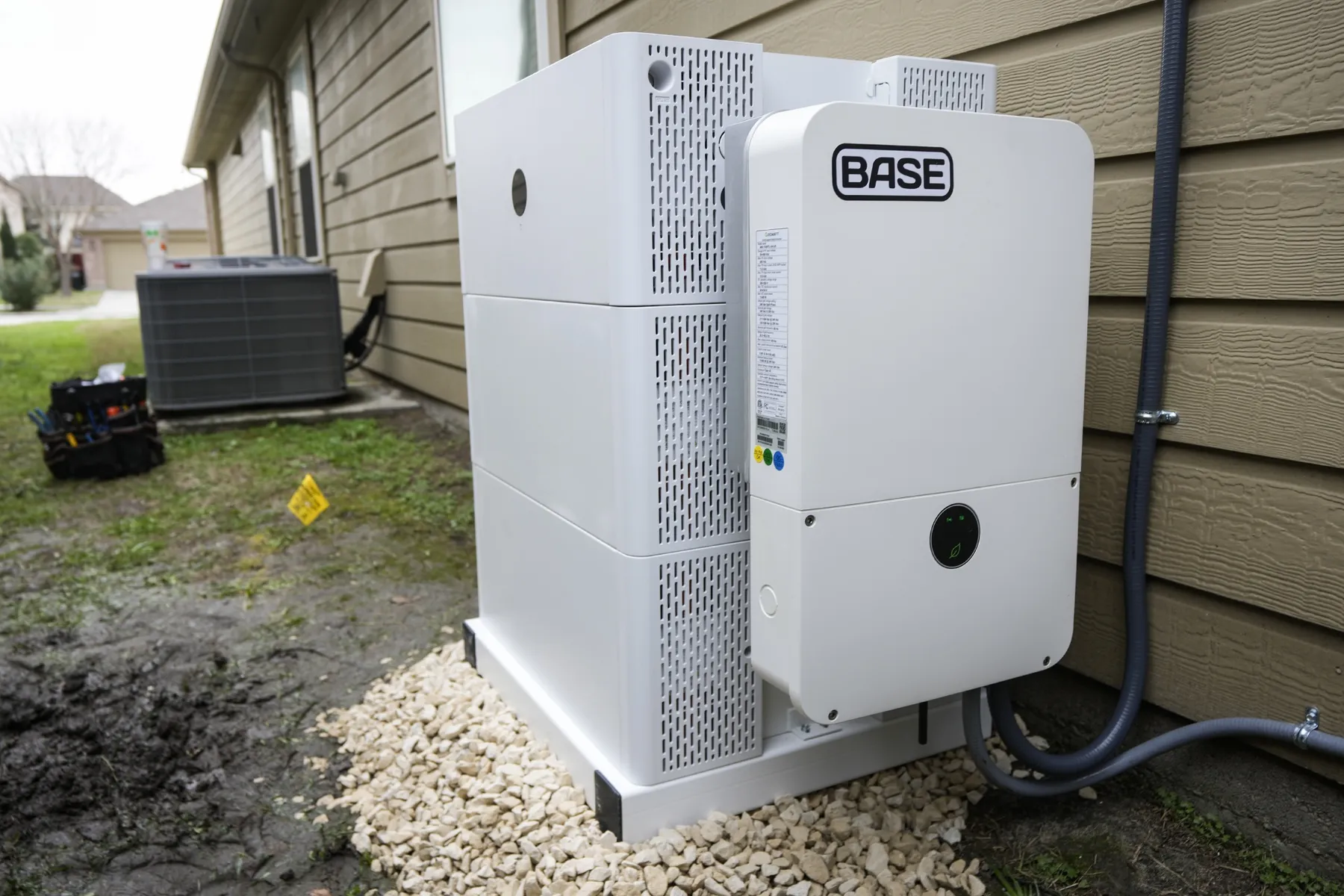
Solar energy has a significant impact on the overall energy costs in Texas, particularly as the state continues to expand its solar capacity. With the increasing adoption of solar technologies, homeowners and businesses alike are witnessing a decrease in their electricity bills, contributing to a more sustainable energy future.
For instance, data from the Texas Solar Power Association indicates that solar energy can reduce residential electricity costs by up to 30%. As solar installations become more prevalent, the demand for traditional energy sources diminishes, leading to lower prices across the grid.
The Texas energy grid, managed by ERCOT, faces unique challenges and opportunities as it integrates renewable energy sources like solar. Understanding these dynamics is crucial for stakeholders aiming to navigate the evolving energy landscape.
For example, the grid's reliance on fossil fuels has historically led to vulnerabilities during peak demand periods. However, with the rise of solar energy, there is a growing opportunity to enhance grid resilience and reliability, particularly during extreme weather events.
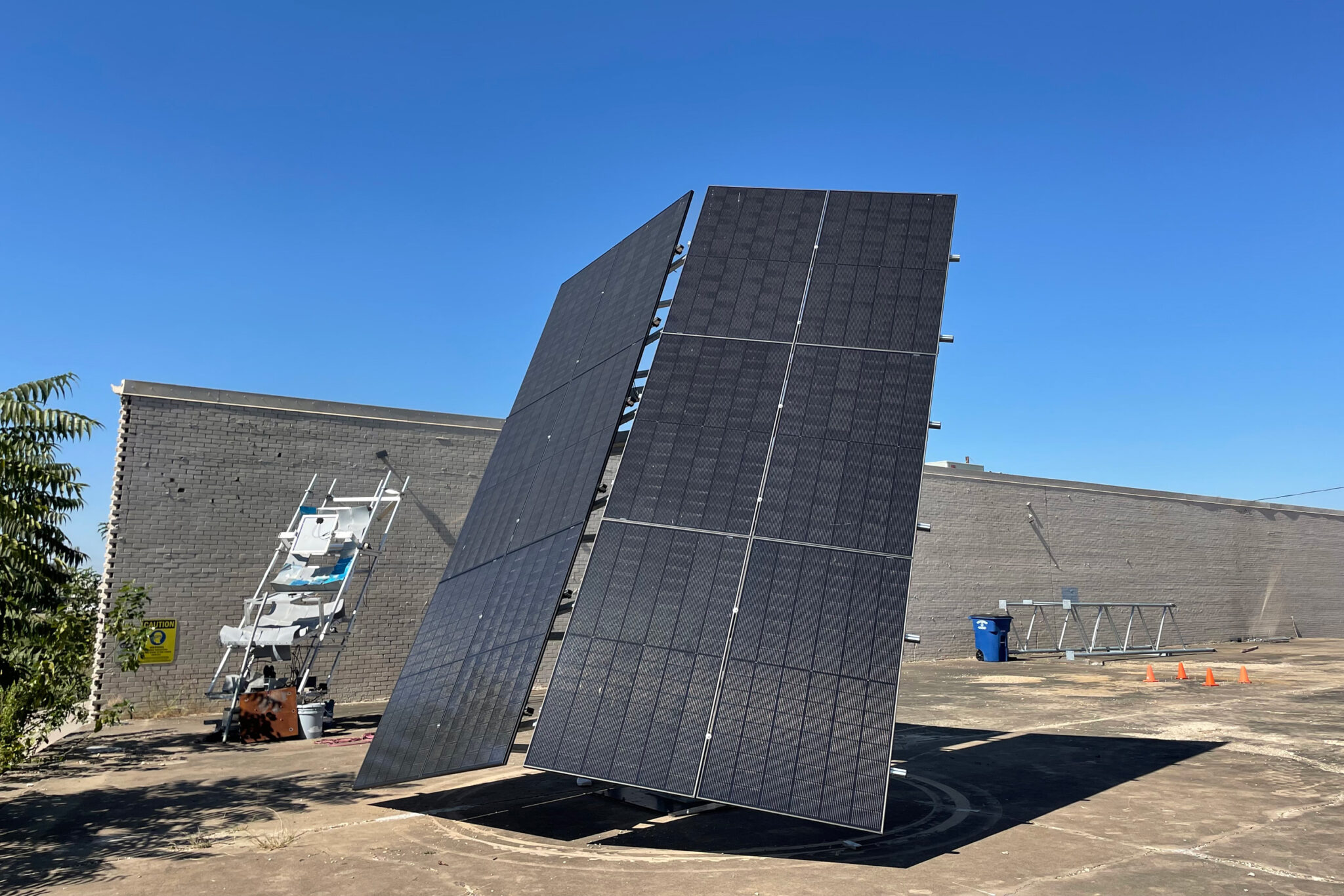
As solar technology continues to evolve, Texas stands to benefit significantly from innovations that enhance efficiency and storage capabilities. Emerging trends, such as bifacial solar panels and advanced battery storage systems, promise to reshape the energy landscape.
Moreover, these advancements not only improve energy output but also provide solutions for energy storage, allowing Texans to harness solar energy even during non-sunny hours. This technology is crucial for maximizing the benefits of solar energy in a state with vast solar potential.
Recent policy changes at both state and federal levels are influencing the adoption of solar energy across Texas. Understanding these regulations is essential for property owners and businesses looking to invest in solar solutions.
For instance, the extension of tax credits and incentives for solar installations has made it more financially viable for many Texans to switch to solar energy. Additionally, local policies promoting clean energy initiatives are paving the way for a more sustainable energy future in the state.