By NATiVE Solar|2026-01-22T13:18:24-06:00January 22nd, 2026|Blog, Energy Conservation, Energy Efficiency, News, Solar Industry, solar projects, Technology, Texas Grid, Uncategorized|
By NATiVE Solar|2026-01-08T14:02:10-06:00January 8th, 2026|Back-up Power, Batteries, Commercial Solar Panels, electric bill, Energy Storage, News, Solar Industry, solar projects, Technology, Texas Grid|
By NATiVE Solar|2026-01-08T12:14:03-06:00January 1st, 2026|Back-up Power, Batteries, Commercial Solar Panels, electric bill, Energy Storage, News, Solar Industry, solar projects, Technology, Texas Grid|
By NATiVE Solar|2025-12-04T15:09:25-06:00December 4th, 2025|Back-up Power, Batteries, Commercial Solar Panels, electric bill, Energy Storage, News, Solar Industry, solar projects, Technology, Texas Grid|
By NATiVE Solar|2025-11-13T11:56:55-06:00November 12th, 2025|Batteries, electric bill, News, Politics, Press, Regulatory, Solar Industry, solar projects, Technology, Texas Solar Policy|
By NATiVE Solar|2025-10-30T11:20:49-06:00October 30th, 2025|electric bill, Regulatory, Solar Industry, solar projects, Texas Grid, Texas Solar Policy|

By NATiVE Solar|2025-10-30T11:21:46-06:00October 30th, 2025|Agrivoltaics, climate change, Commercial Solar Panels, Community Involvement, electric bill, Energy Storage, News, Regulatory, Solar Industry, solar projects, Texas Grid, Texas Solar Policy|
By NATiVE Solar|2025-10-30T11:22:32-06:00October 22nd, 2025|electric bill, Regulatory, Solar Industry, solar projects, Texas Grid, Texas Solar Policy|
By NATiVE Solar|2025-11-13T12:09:58-06:00October 10th, 2025|Commercial Solar Panels, Green Building, Home Energy Storage, Regulatory, Solar Industry, solar projects, Texas Grid, Texas Solar Policy|

By NATiVE Solar|2025-11-11T13:16:32-06:00October 10th, 2025|Commercial Solar Panels, Green Building, Home Energy Storage, Regulatory, Solar Industry, solar projects, Texas Grid, Texas Solar Policy|
The future of solar energy in Texas is poised for significant growth, driven by advancements in technology and increasing demand for sustainable energy solutions. As more businesses and homeowners recognize the benefits of solar power, the state is expected to see a surge in solar installations, particularly in urban areas where energy consumption is high.
Key trends include the rise of community solar projects, which allow multiple users to share the benefits of a single solar array, and the integration of smart technologies that optimize energy usage. Additionally, Texas's favorable policies and incentives will likely continue to attract investment in solar energy infrastructure, further solidifying its position as a leader in the renewable energy sector.
Solar incentives and rebates play a crucial role in making solar energy more accessible and affordable for Texans. Various programs at the federal, state, and local levels provide financial support to homeowners and businesses looking to invest in solar technology. These incentives can significantly reduce the upfront costs associated with solar installation, making it a more attractive option.
For instance, the Federal Investment Tax Credit (ITC) allows homeowners to deduct a percentage of their solar installation costs from their federal taxes. Additionally, Texas offers property tax exemptions for solar installations, ensuring that property owners do not face increased taxes due to their investment in renewable energy. Understanding these incentives can help potential solar customers make informed decisions and maximize their savings.
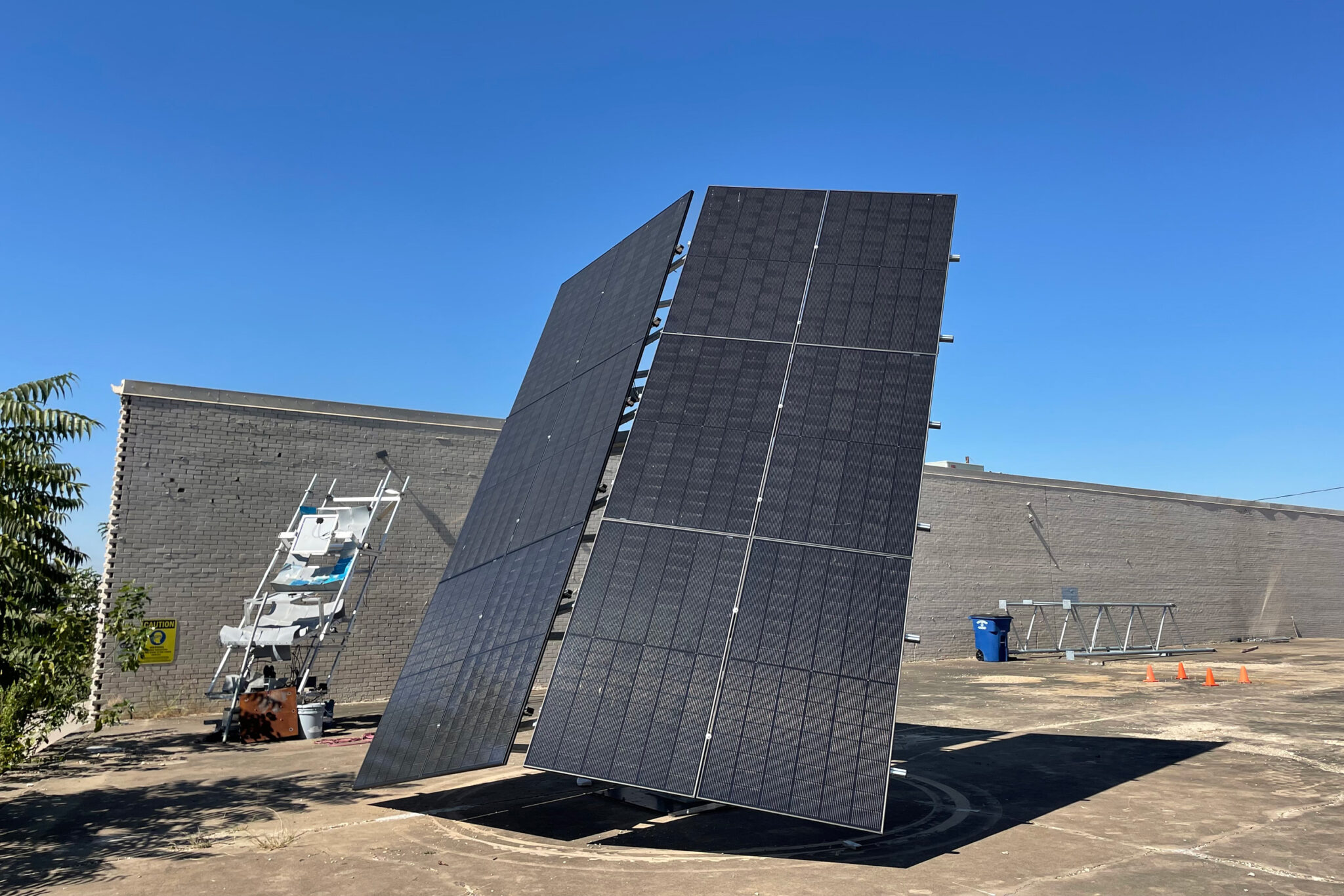
Innovations in solar technology are continually reshaping the landscape of renewable energy. From more efficient photovoltaic cells to advanced energy storage solutions, these technological advancements are enhancing the performance and reliability of solar systems. For example, the development of bifacial solar panels, which capture sunlight from both sides, is increasing energy generation without requiring additional space.
Moreover, energy storage technologies, such as lithium-ion batteries, are becoming more affordable and efficient, allowing homeowners and businesses to store excess energy generated during the day for use at night or during peak demand periods. These innovations not only improve the efficiency of solar energy systems but also contribute to the overall stability and resilience of the electrical grid.
Community solar projects represent a collaborative approach to harnessing solar energy, allowing multiple participants to benefit from a single solar installation. This model is particularly beneficial for those who may not have the ability to install solar panels on their own property, such as renters or residents of multi-family buildings. By pooling resources, communities can invest in larger solar arrays that provide shared benefits.
These projects often lead to reduced energy costs for participants and can contribute to local job creation and economic development. Additionally, community solar initiatives promote greater awareness of renewable energy and can foster a sense of community engagement and responsibility towards sustainable practices. As more Texans explore this option, community solar is expected to play a significant role in the state's renewable energy strategy.