By NATiVE Solar|2025-07-25T12:30:31-06:00July 25th, 2025|Back-up Power, Batteries, Community Solar, Energy Conservation, Energy Storage, Politics, Regulatory, Texas Grid|
By NATiVE Solar|2024-08-12T10:49:45-06:00August 12th, 2024|Batteries, Community Solar, Home Energy Storage, Solar, Technology|
By NATiVE Solar|2024-07-15T11:32:55-06:00July 24th, 2023|Blog, Community Solar|
By NATiVE Solar|2022-10-11T10:16:39-05:00October 11th, 2022|Blog, Community Solar, Solar|
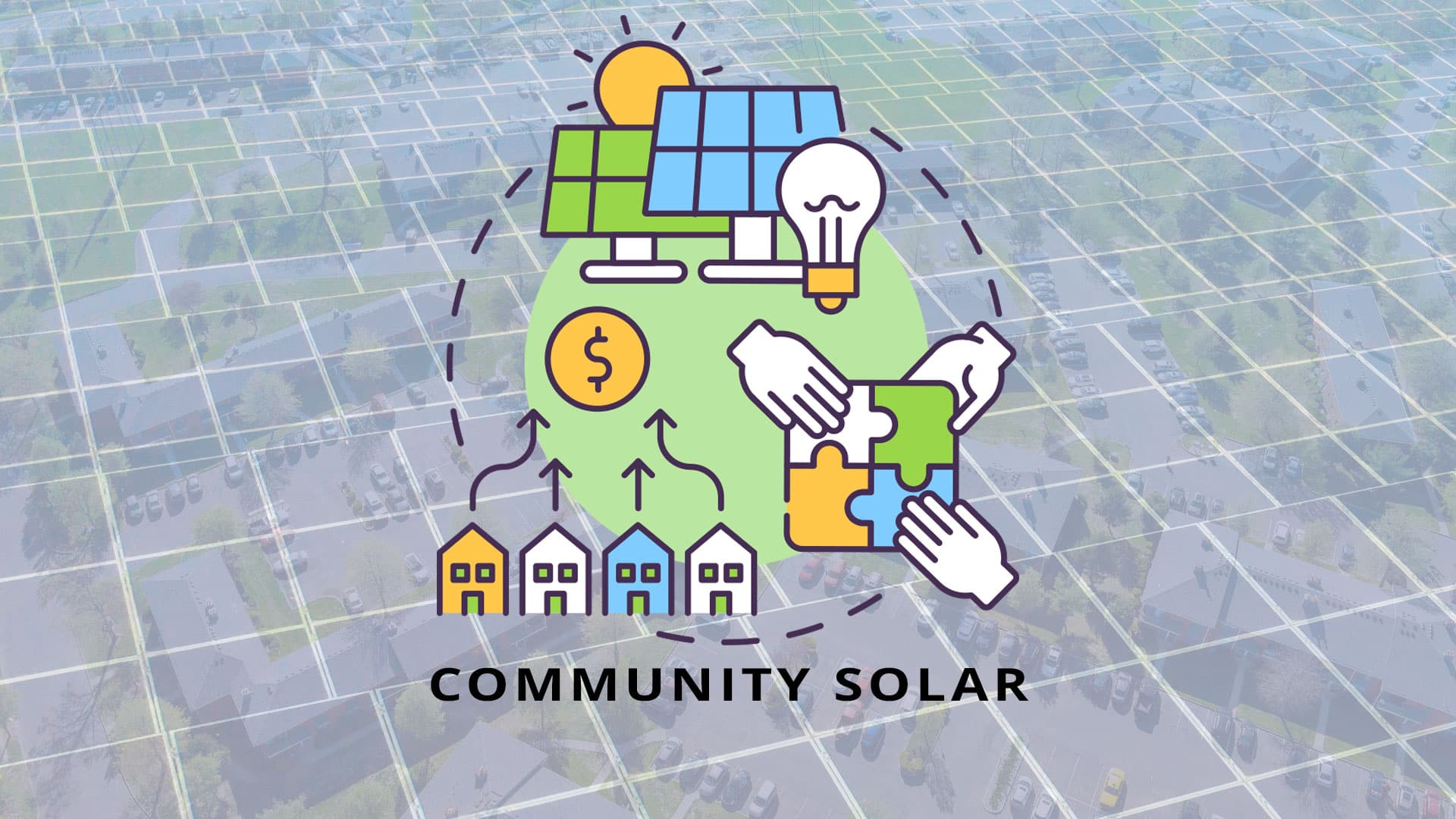
Community solar projects offer numerous advantages, including increased access to renewable energy for individuals and businesses who may not be able to install solar panels on their properties. These projects enable participants to benefit from solar energy without the financial burden of installation and maintenance.
In addition to accessibility, community solar initiatives can lead to significant cost savings on electricity bills. By pooling resources, community solar projects can negotiate better rates and provide energy at a lower cost than traditional electricity sources. This model also promotes local job creation and stimulates economic growth within the community.
Getting involved in community solar projects is easier than ever. Interested individuals can start by researching local initiatives and finding programs that align with their energy needs and financial goals. Many community solar programs allow participants to subscribe to a portion of a solar farm's output, thereby contributing to renewable energy generation.
Moreover, potential participants should consider contacting local solar providers or community organizations that facilitate these projects. They often provide valuable resources, including information on available projects, subscription costs, and the environmental benefits associated with participating in community solar initiatives.
The solar energy sector is continually evolving, with innovations that enhance efficiency and reduce costs. Recent advancements include the development of bifacial solar panels, which capture sunlight from both sides, and solar tracking systems that adjust panel angles to maximize energy capture throughout the day.
Additionally, energy storage solutions, such as advanced battery technologies, are becoming increasingly vital in making solar energy more reliable. These innovations not only improve the performance of solar installations but also enable users to store excess energy for use during periods of low sunlight, enhancing overall energy independence.
Understanding the regulatory landscape is crucial for anyone interested in solar energy. Policies at the federal, state, and local levels can significantly impact the feasibility and profitability of solar projects. Incentives such as tax credits, rebates, and net metering can make solar investments more attractive.
It is also important to stay informed about changes in regulations that may affect community solar initiatives. Engaging with local advocacy groups or attending community meetings can provide insights into upcoming legislation and help stakeholders voice their opinions on solar energy policies.