By NATiVE Solar|2025-10-30T11:21:46-06:00October 30th, 2025|Agrivoltaics, climate change, Commercial Solar Panels, Community Involvement, electric bill, Energy Storage, News, Regulatory, Solar Industry, solar projects, Texas Grid, Texas Solar Policy|
By NATiVE Solar|2024-08-27T08:46:24-06:00August 27th, 2024|Agrivoltaics, Blog, Commercial Solar, Solar|
Agrivoltaics, the practice of integrating solar energy production with agricultural activities, offers numerous benefits, including increased land efficiency and enhanced crop yields. This innovative approach allows farmers to utilize their land for both solar energy generation and food production, creating a dual revenue stream while contributing to sustainable energy solutions.
However, agrivoltaics also presents challenges, such as the need for careful planning to ensure that the solar installations do not interfere with agricultural practices. Factors like shading, land management, and crop selection are critical to successfully implementing agrivoltaic systems. Research and case studies are essential to understand the best practices for overcoming these challenges.
The field of agrivoltaics is experiencing rapid technological advancements, with new systems designed to optimize land use and enhance energy output. Innovations such as adjustable solar panel mounts and transparent solar panels are making it easier to combine agriculture with solar energy production without compromising crop health.
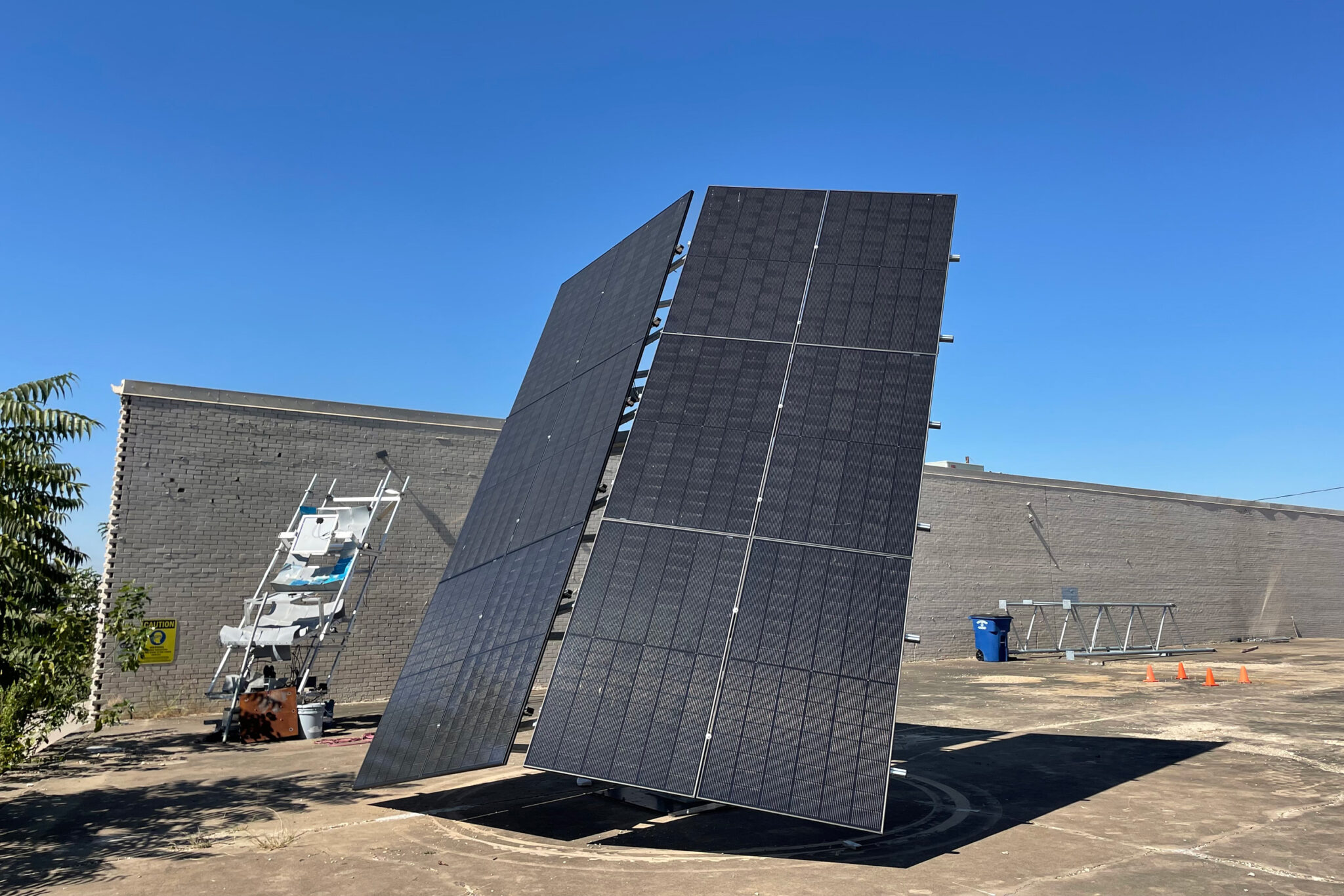
For instance, some companies are developing bifacial solar panels that capture sunlight from both sides, increasing energy generation while minimizing the land footprint. These technologies not only improve the efficiency of solar energy systems but also help in maintaining agricultural productivity, paving the way for a sustainable future.
Numerous successful agrivoltaic projects across the United States demonstrate the viability and benefits of this approach. For example, a recent project in Texas integrated solar panels with vineyard operations, resulting in increased energy production and improved grape quality due to the controlled shading provided by the panels.
These case studies provide valuable insights into the practical applications of agrivoltaics, showcasing how farmers can adopt this model to enhance their operations. By learning from these examples, other agricultural producers can assess the potential benefits and challenges of implementing similar systems in their own contexts.
The future of agrivoltaics in Texas looks promising as the state continues to invest in renewable energy solutions. With ample sunlight and a growing demand for sustainable practices, Texas is an ideal location for expanding agrivoltaic initiatives. Policymakers and agricultural organizations are increasingly recognizing the importance of integrating solar energy into farming.