By NATiVE Solar|2026-01-22T13:18:24-06:00January 22nd, 2026|Blog, Energy Conservation, Energy Efficiency, News, Solar Industry, solar projects, Technology, Texas Grid, Uncategorized|
By NATiVE Solar|2026-01-08T14:02:10-06:00January 8th, 2026|Back-up Power, Batteries, Commercial Solar Panels, electric bill, Energy Storage, News, Solar Industry, solar projects, Technology, Texas Grid|
By NATiVE Solar|2026-01-08T12:14:03-06:00January 1st, 2026|Back-up Power, Batteries, Commercial Solar Panels, electric bill, Energy Storage, News, Solar Industry, solar projects, Technology, Texas Grid|
By NATiVE Solar|2025-12-04T15:09:25-06:00December 4th, 2025|Back-up Power, Batteries, Commercial Solar Panels, electric bill, Energy Storage, News, Solar Industry, solar projects, Technology, Texas Grid|
By NATiVE Solar|2025-12-04T14:59:38-06:00December 4th, 2025|Batteries, electric bill, Permitting, Politics, Regulatory, Texas Solar Policy|
By NATiVE Solar|2025-11-13T11:56:55-06:00November 12th, 2025|Batteries, electric bill, News, Politics, Press, Regulatory, Solar Industry, solar projects, Technology, Texas Solar Policy|
By NATiVE Solar|2025-10-30T11:20:49-06:00October 30th, 2025|electric bill, Regulatory, Solar Industry, solar projects, Texas Grid, Texas Solar Policy|

By NATiVE Solar|2025-10-30T11:21:46-06:00October 30th, 2025|Agrivoltaics, climate change, Commercial Solar Panels, Community Involvement, electric bill, Energy Storage, News, Regulatory, Solar Industry, solar projects, Texas Grid, Texas Solar Policy|
By NATiVE Solar|2025-10-30T11:22:32-06:00October 22nd, 2025|electric bill, Regulatory, Solar Industry, solar projects, Texas Grid, Texas Solar Policy|
By NATiVE Solar|2025-11-13T12:09:58-06:00October 10th, 2025|Commercial Solar Panels, Green Building, Home Energy Storage, Regulatory, Solar Industry, solar projects, Texas Grid, Texas Solar Policy|
Investing in solar energy can lead to significant financial savings for homeowners and businesses alike. By reducing reliance on traditional electricity sources, solar energy systems can lower monthly utility bills and provide long-term financial stability. Many users find that the initial investment in solar technology pays off through reduced energy costs over time, especially in regions with high electricity rates.
In addition to savings on electricity bills, solar energy systems may qualify for various incentives and tax credits, making them more affordable. For instance, federal tax credits, state rebates, and local incentives can substantially reduce the upfront costs of solar installation. Moreover, as energy prices continue to rise, the value of solar installations is likely to appreciate, further enhancing the financial benefits for consumers.
Texas is uniquely positioned to harness solar energy due to its vast land area and abundant sunlight. By investing in solar energy, the state can reduce its dependence on fossil fuels and enhance its energy independence. This shift not only contributes to environmental sustainability but also strengthens the local economy by creating jobs in the solar industry.
Moreover, increased solar adoption can help stabilize the Texas energy grid, particularly during peak demand periods. By decentralizing energy production, solar power can provide a reliable energy source that complements traditional power generation methods, ensuring a more resilient energy infrastructure for the state.
Community involvement is crucial for the successful adoption of solar energy initiatives. Local organizations and governments play a pivotal role in educating residents about the benefits of solar power and facilitating access to resources. Community solar projects, where multiple households share the benefits of a single solar installation, are becoming increasingly popular in Texas, allowing more residents to participate in the solar energy movement.
These initiatives foster a sense of community and collective responsibility towards sustainable energy practices. By working together, communities can leverage collective purchasing power to reduce costs and encourage local investments in solar technologies, further promoting the transition to renewable energy sources.
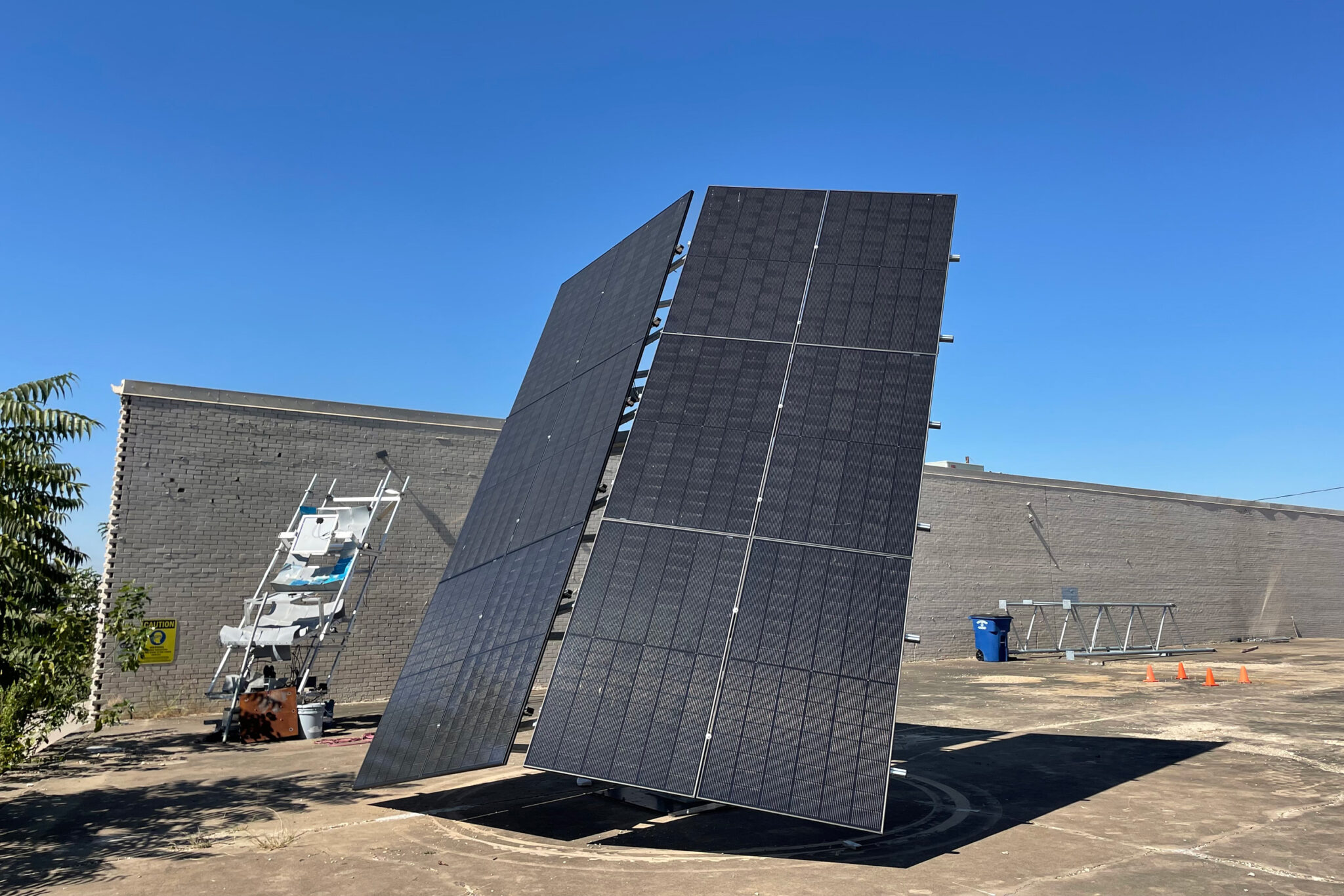
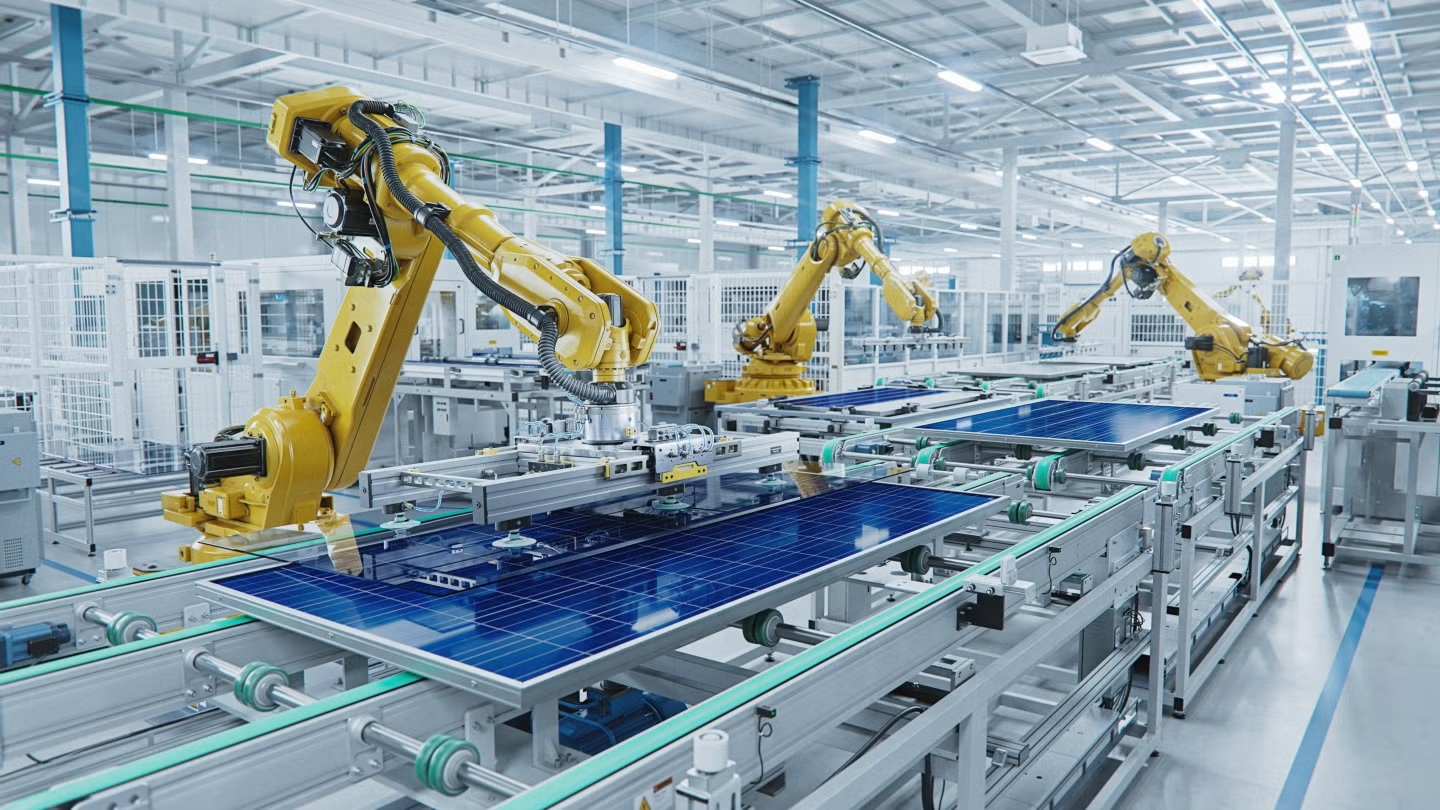
The solar industry is continually evolving, with innovations in technology driving efficiency and cost-effectiveness. New advancements, such as bifacial solar panels and solar tracking systems, are enhancing energy production and making solar installations more attractive to consumers and businesses alike. These technologies allow for greater energy capture and improved performance in various environmental conditions.
Furthermore, the integration of energy storage solutions is transforming how solar energy is utilized. With advancements in battery technology, homeowners can store excess energy generated during the day for use at night or during power outages. This not only maximizes the benefits of solar energy but also supports the overall stability of the energy grid, paving the way for a more sustainable future.